Manitoba Flood Relief
Federal Minister Olszewski Approves Emergency Aid for Significant Manitoba Flood Response
Anonymous
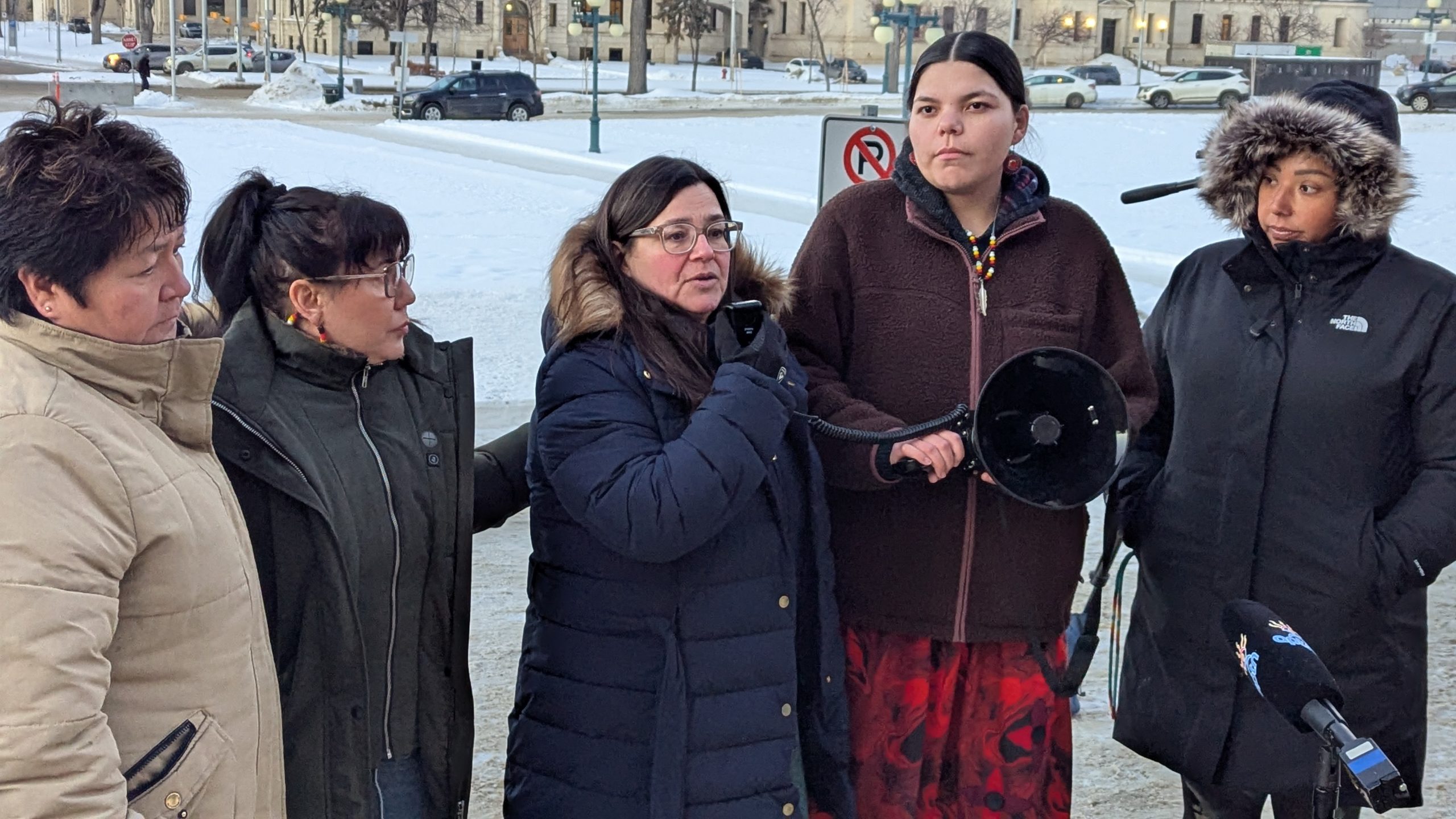
Canada's federal government has approved emergency assistance for Manitoba as severe flooding devastates the province's western regions for the second time in under 30 days. Minister Eleanor Olszewski approved Manitoba's formal request on July 3, 2026, and issued an official statement on July 5 detailing a multi-pronged federal response, according to National Post.
The flooding has forced the evacuation of roughly 200 households in Swan River, knocked out power for 14,200 customers, and pushed 30 communities to declare local states of emergency. Over 50 provincial roads are closed or washed out, according to Edmonton Sun.
Back-to-Back Storms Overwhelm Western Manitoba
The crisis began June 7–8 when up to 148 mm of rain slammed the Swan Valley region within hours, forcing 150 evacuations. The ground never fully recovered. Then a second low-pressure system stalled over western Manitoba on June 29–30, dumping 152 mm on Boissevain in just seven hours and more than 100 mm on Neepawa. Parts of the Parkland region received up to 200 mm over five days — more than double the historical June monthly average of 80 mm, according to Calgary Sun.
By July 2, floodwaters had severed road access to Minegoziibe Anishinabe (Pine Creek First Nation) and stranded about 200 park users in Duck Mountain Provincial Park after all access roads washed out. The Assiniboine River in Brandon is now forecast to crest 2.5 metres above its banks, with a peak expected around July 12, according to Leader Post.
Ottawa Deploys Troops and Veteran Volunteers to Flood Zone
Minister Olszewski approved three forms of federal support. A small Canadian Armed Forces team will provide planning, assessment, and coordination help on the ground. Team Rubicon Canada — a veteran-led disaster response group — will assist with flood response and early cleanup work. The federal government also activated the Disaster Financial Assistance Arrangements, or DFAA, which reimburses provinces for eligible recovery costs once they pass a set per-capita spending threshold, according to Montreal Gazette.
Olszewski said the government would keep working with "the province of Manitoba, local leaders and Indigenous partners, to make sure Manitobans have the support they need now and in the weeks and months ahead as recovery continues," according to Pembroke Observer.
Local Leaders Voiced Frustration Before Federal Approval
Swan River Mayor Lance Jacobson did not hide his anger during the peak of the crisis on July 2. He said he was "disappointed" he hadn't "heard from the federal government" and that the town was "stuck in a waiting game." Premier Wab Kinew filed Manitoba's formal Request for Federal Assistance that same day after conducting aerial tours of flooded zones, according to Hanna Herald.
Swan Valley West Reeve Bill Gade described the scale of the second disaster bluntly: "Everywhere that we had flooding three weeks ago, we have the same flooding, except more. It was so bad, and now it's just so much worse." Meanwhile, Brandon Mayor Jeff Fawcett moved quickly, declaring a state of local emergency on July 4 to bypass normal procurement rules and raise dikes by two feet before the July 12 flood peak, according to Owen Sound Sun Times.
Farmers and Infrastructure Face Months of Recovery Ahead
Dozens of washed-out roads, destroyed culverts, and compromised bridges are expected to take months to repair. Infrastructure damage could run into the tens of millions of dollars. Saturated fields are preventing the movement of feed, cattle, and seeding equipment across the Parkland region, threatening a sharp drop in agricultural output this season, according to Chatham Daily News.
The Manitoba Association of Watersheds warned that the extreme rainfall hit immediately after a prolonged drought, shocking regional ecosystems. The flooding is also historically significant — Brandon's emergency declaration was designed specifically to avoid a repeat of the province's catastrophic 2014 floods, when the Assiniboine reached similar levels, according to Pincher Creek Echo.
Sentiment
NeutralNEGATIVENEUTRALPOSITIVE
Publishers
29
Articles
29
Reach
29
Topics
A
AnonymousAuthor


