Food Recall Trends
New Data Analysis Examines Whether Food Recalls Are Actually on the Rise
Anonymous
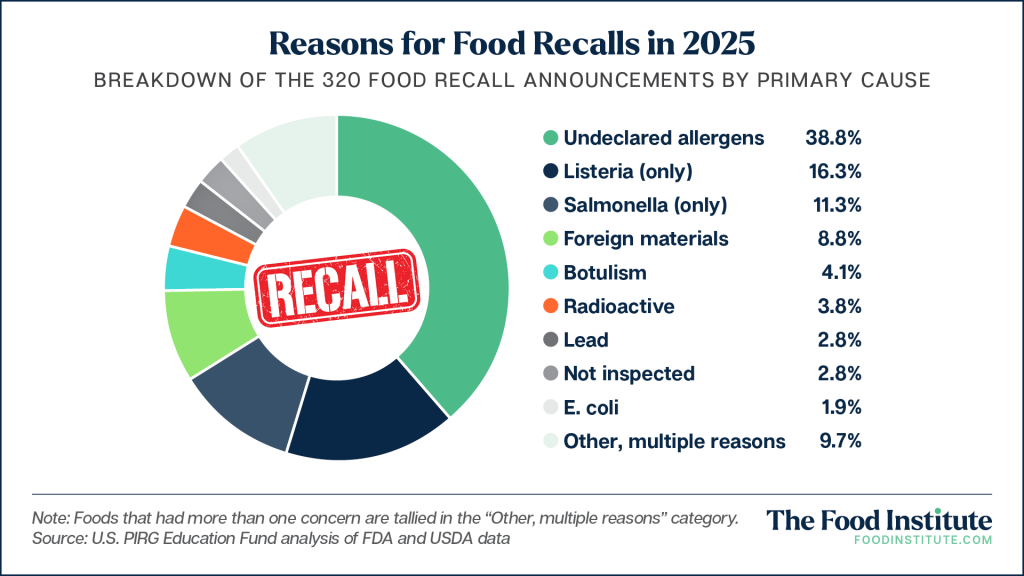
Common grocery staples are landing on food recall lists with alarming regularity. Iceberg lettuce, jalapeños, alfalfa sprouts, eggs, and frozen berries have all been recalled in recent months Rapid City Journal. The recurring pattern raises a critical question: are food recalls actually increasing, or are we simply catching more problems than before?
A Surge of Contamination Across Produce and Proteins
Recent months have brought a wave of serious foodborne illness outbreaks tied to contaminated products. Channel 3000 reports that iceberg lettuce caused the largest recorded cyclospora outbreak in the country. Salmonella illnesses linked to recalled jalapeños, plus dozens more linked to contaminated alfalfa sprouts, have added to the crisis.
More Recalls Don't Always Mean More Contamination
The rising number of recalls may be misleading. According to environmental health expert Robert Custard, the number of food recalls does not necessarily correlate with the level of surveillance Tucson.com. Better detection systems and stricter testing can create the appearance of more problems without meaning that contamination rates have actually climbed.
Why Common Foods Keep Appearing on Recall Lists
Produce items like lettuce, jalapeños, and sprouts are particularly vulnerable to contamination. These foods are eaten raw or lightly cooked, leaving no opportunity for heat to kill harmful bacteria. They also pass through complex supply chains where a single contamination point can affect thousands of units across multiple states.
What Shoppers Should Know Right Now
Consumers should stay informed about active recalls before shopping. Check the FDA website and local health alerts regularly. Wash produce thoroughly under running water. Buy from trusted retailers that track their supply chains closely. While recalls seem frequent, they are designed to stop contaminated food from reaching your table.
Sentiment
NeutralNEGATIVENEUTRALPOSITIVE
Publishers
13
Articles
12
Reach
13
Topics
A
AnonymousAuthor


