Condena por violencia machista
Condenan a dos años de prisión en Mallorca por obligar a su pareja a llevar hiyab
Anonymous
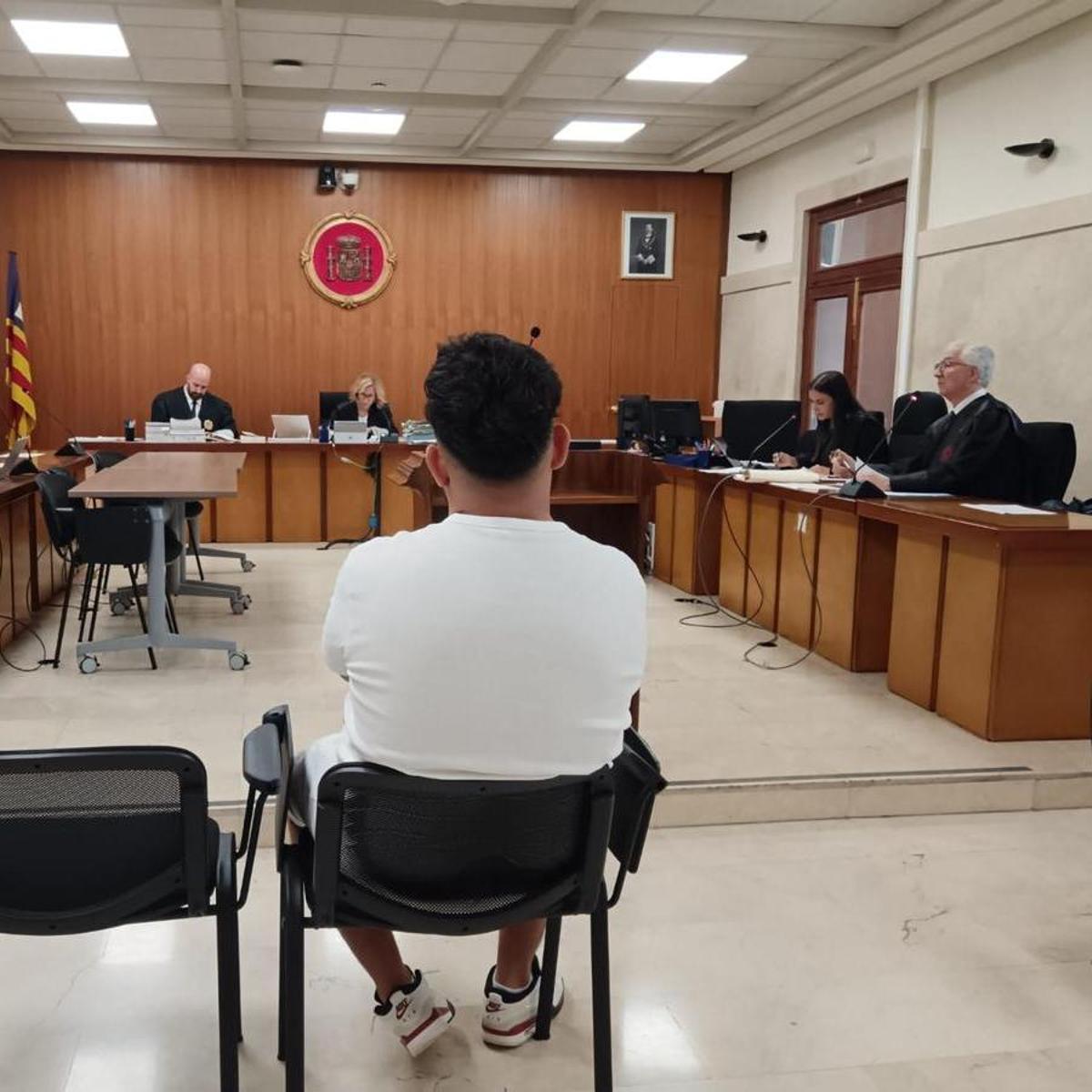
A man in Mallorca has been sentenced to two years in prison for habitual abuse of his partner, including forcing her to wear a hijab and banning her from studying, according to La Opinión de Murcia. The Palma Court found him guilty of threats and systematic control over the woman's life and freedom.
The defendant told his victim: "You're lucky you're in Spain. If we were in Morocco, I would have killed you already." El Periódico reported the case reveals how intimate partner violence can take the form of forced religious dress and educational suppression, even in European countries with legal protections.
Abuse Through Control and Threats
The man systematically isolated and controlled his partner by forbidding her from pursuing education and mandating religious dress, according to LNE. He used intimidation tactics, including explicit death threats, to maintain power over her daily life and personal choices.
His comment about what would happen "in Morocco" was presented as evidence of his intent to harm. Diario Córdoba noted the court treated these statements as serious threats that demonstrated his capacity for violence and his use of cultural context to justify control.
Court's Two-Year Prison Sentence
The Palma Court convicted the defendant on multiple charges related to habitual intimate partner violence. La Provincia confirmed the two-year sentence as punishment for sustained abuse designed to strip away his partner's freedoms and dignity.
The verdict sends a message that controlling someone's education, religious expression, and threatening their life violates Spanish law regardless of claimed cultural justification, according to La Opinión de A Coruña. The sentence reflects serious consequences for domestic abuse patterns.
Domestic Abuse Patterns Beyond Physical Violence
This case highlights how intimate partner violence extends beyond hitting or physical injury. El Periódico Mediterráneo noted the abuse included psychological control, educational restriction, and enforced religious dress—tactics that isolate victims and destroy their independence.
El Día reported that victims of this type of systematic control often struggle to leave because their autonomy has been completely undermined. Spain's legal system treated the pattern of control itself as criminal, recognizing the cumulative harm of denial of education and freedom.
Sentiment
NeutralNEGATIVENEUTRALPOSITIVE
Publishers
14
Articles
0
Reach
14
Topics
A
AnonymousAuthor


