Seneca Falls Convention
Today in History: July 19 Marks the Anniversary of the Pivotal Seneca Falls Convention
Anonymous
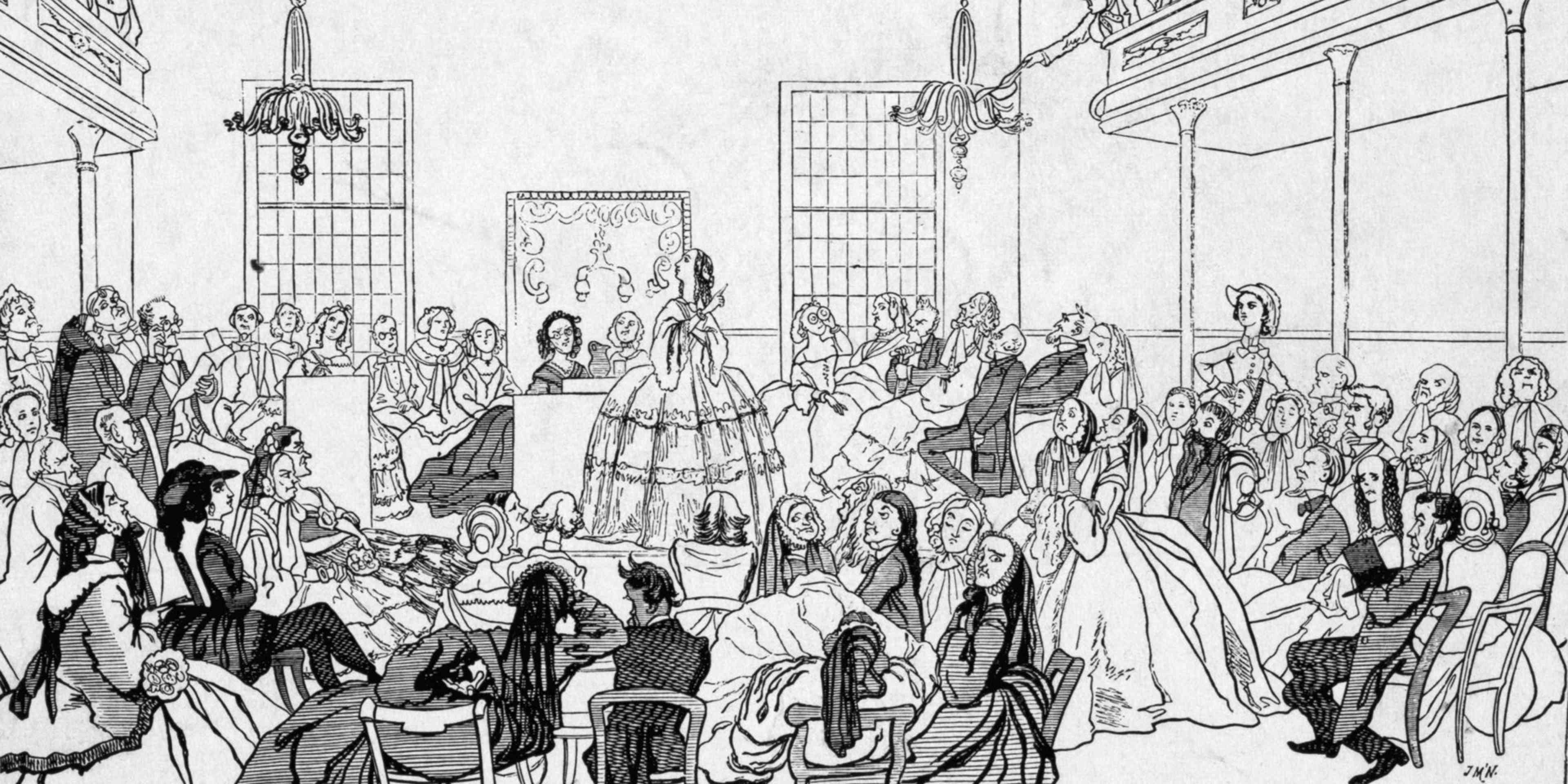
On July 19, 1848, a landmark moment in American history unfolded at the Wesleyan Chapel in Seneca Falls, New York. The first-ever convention dedicated to discussing the "social, civil and religious condition and rights of Woman" opened its doors — launching the organized women's rights movement in the United States, according to WDRB.
The two-day gathering drew hundreds of attendees and produced the Declaration of Sentiments, a bold document modeled on the Declaration of Independence. It declared that "all men and women are created equal" — a radical statement for its time. The convention marked the start of a decades-long fight that would eventually win women the right to vote in 1920.
How a Tea Party Sparked a Women's Rights Movement
The Seneca Falls Convention did not come out of nowhere. It grew from a tea party conversation in July 1848 between activists Elizabeth Cady Stanton and Lucretia Mott. The two women — frustrated by being barred from speaking at an 1840 anti-slavery convention in London — decided to organize their own gathering, according to Seattle PI.
Within days, they placed a notice in the local newspaper. They expected a small crowd. Instead, roughly 300 people showed up — including about 40 men. The sheer turnout signaled that the cause had widespread support, even in an era when women had almost no legal rights.
The Declaration of Sentiments Changed What Was Possible
Stanton drafted the convention's key document: the Declaration of Sentiments. It listed 18 grievances against laws that oppressed women. These included the inability to vote, own property, or keep their own wages after marriage. The document demanded full equality under the law, according to WFMZ.
The most controversial demand was the right to vote. Even some supporters thought it went too far. But abolitionist Frederick Douglass backed the suffrage resolution. His support helped it pass — by a narrow margin. Of the 100 people who signed the Declaration, 68 were women and 32 were men.
A Long Road From Seneca Falls to the 19th Amendment
The Seneca Falls Convention did not win women the vote overnight. It took 72 more years of organizing, protest, and political pressure. The 19th Amendment, ratified on August 18, 1920, finally granted American women the right to vote — a full 72 years after that first meeting in upstate New York, according to Leader Telegram.
Many of the women who signed the Declaration of Sentiments never lived to cast a ballot. But the convention they helped launch set the course. Historians widely regard Seneca Falls as the birthplace of the American women's suffrage movement.
Other Notable Events That Happened on July 19
July 19 holds other key moments in history as well. In 1812, the First Battle of Sackett's Harbor took place during the War of 1812, according to Lima Ohio. In 1969, Apollo 11 and its astronauts — Neil Armstrong, Buzz Aldrin, and Michael Collins — entered lunar orbit, just one day before the historic Moon landing.
Together, these events make July 19 a date packed with turning points — from the fight for equal rights at home to humanity's first reach toward the Moon.
Sentiment
NeutralNEGATIVENEUTRALPOSITIVE
Publishers
23
Articles
23
Reach
23
A
AnonymousAuthor


