Municipal Spending Report
Fraser Institute Study Reveals West Vancouver Tops Metro Vancouver Per-Person Spending
Anonymous
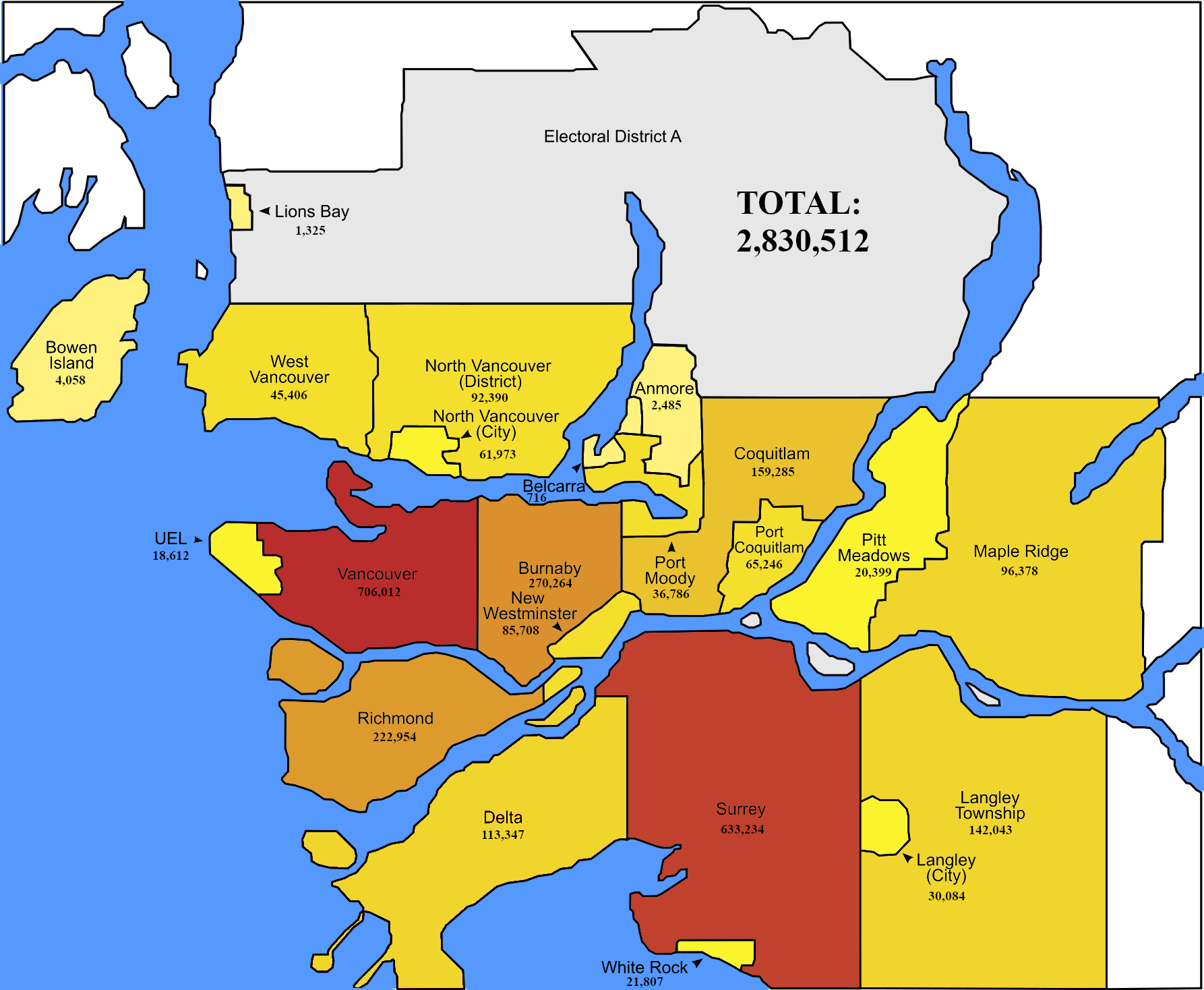
A new Fraser Institute study finds that per-person municipal spending grew in every major Metro Vancouver municipality between 2009 and 2024, according to National Post. West Vancouver topped the list at $3,879 per person, while Surrey came in lowest at $1,646 — a gap of more than $2,200 between the region's highest and lowest spenders.
Across the region, the average municipality increased its inflation-adjusted, per-person spending by 14.5 per cent over that 15-year period, Edmonton Sun reported. The findings give residents a way to judge whether their local government is spending their tax dollars wisely.
West Vancouver Spends More Than Twice the Regional Low
West Vancouver's $3,879 per-person spending in 2024 is the highest in Metro Vancouver by a wide margin, according to Leader-Post. Surrey, the region's most populous city, spent just $1,646 per person — the lowest figure recorded. That means West Vancouver spends roughly $2,233 more per resident than Surrey each year.
The gap reflects real differences in how local governments prioritize services and staff. Smaller, wealthier municipalities like West Vancouver tend to spend more per person. Larger cities like Surrey can spread fixed costs across a bigger population, keeping per-person figures lower.
City of Langley Shows the Most Spending Restraint
Not all municipalities grew their budgets at the same pace. The City of Langley recorded the lowest inflation-adjusted spending growth of any municipality in the study — just 3.8 per cent over 15 years, Montreal Gazette reported. That is well below the regional average of 14.5 per cent.
The Fraser Institute noted that some local governments showed "greater restraint" than others. The difference between 3.8 per cent and the regional average is significant. It suggests that fiscal discipline at city hall is a choice, not simply a product of economic pressure.
Spending Rose Everywhere, But the Pace Varied Widely
Every major municipality in Metro Vancouver increased its per-person spending in inflation-adjusted dollars from 2009 to 2024, according to Northern News. The average increase was 14.5 per cent. That means local governments collectively spent significantly more per resident in real terms — even after stripping out the effect of rising prices.
The variation across cities is striking. Some municipalities stayed close to the City of Langley's 3.8 per cent growth rate. Others grew far faster. The Fraser Institute did not name specific high-growth cities in the summary, but the range shows that local spending choices differ substantially across the region.
Fraser Institute Says Data Helps Residents Hold Cities Accountable
The Fraser Institute framed the study as a tool for taxpayers. The think-tank said the findings can help residents assess whether their municipal tax dollars are delivering good value, according to Owen Sound Sun Times. Comparing spending across cities puts local budget decisions in a clearer context.
The study covers 2009 to 2024 — a 15-year window that spans multiple economic cycles, the COVID-19 pandemic, and sharp inflation. Adjusting for inflation makes the comparison fair. It strips out price increases and focuses on whether governments are actually buying more services per resident over time.
Sentiment
NeutralNEGATIVENEUTRALPOSITIVE
Publishers
11
Articles
11
Reach
11
A
AnonymousAuthor


