Choque político por censo
Feijóo y Sánchez se enfrentan duramente en el Congreso por la polémica del censo
Anonymous
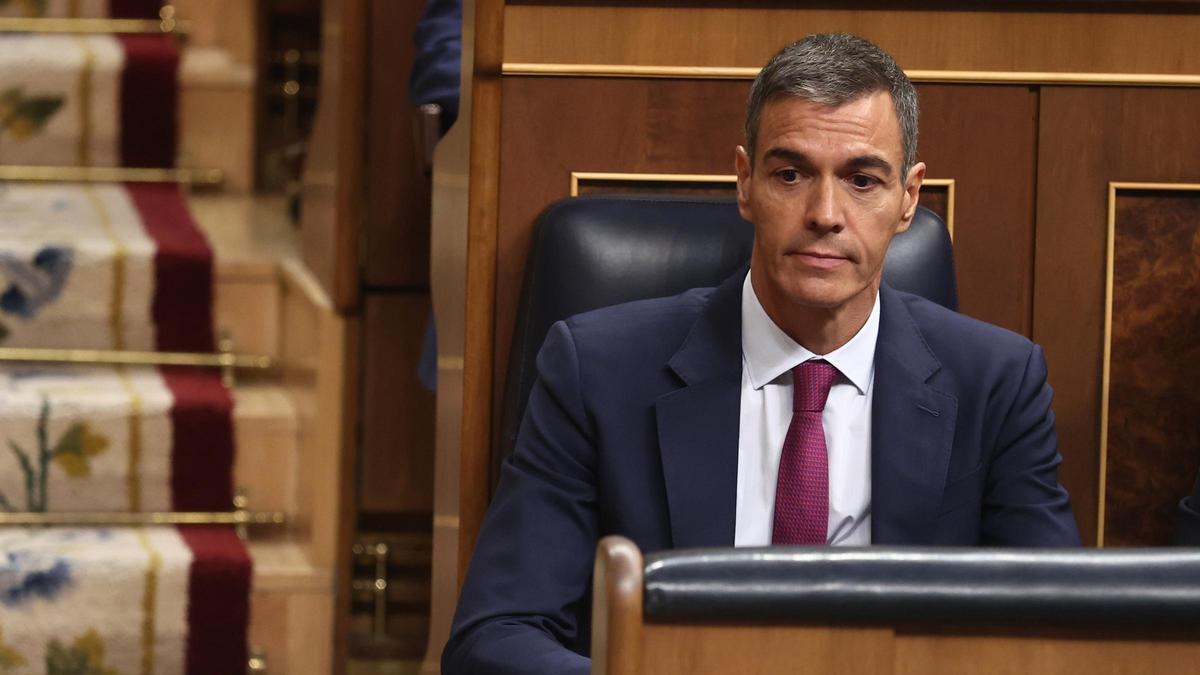
Spain's Congress held its first government control session of the political year on Wednesday, with Prime Minister Pedro Sánchez facing sharp attacks from opposition leader Alberto Núñez Feijóo over voter registration and electoral rules. La Opinión de Málaga reported that Feijóo accused Sánchez of manipulating the census and curtailing voting rights, setting the tone for a contentious debate.
The session covered three major issues: a disputed "grandchildren's law" affecting immigration, Spain's struggling education performance on the PISA test, and an ongoing political crisis in the North African city of Ceuta. The clash between Sánchez and Feijóo over electoral rules dominated the afternoon's questioning period.
Feijóo Attacks Sánchez Over Census and Voting Access
The opposition leader zeroed in on what he called government manipulation of the census system. La Opinión de Málaga reported that Feijóo framed the dispute as a fundamental assault on democratic rights, claiming Sánchez's policies effectively strip citizens of their right to vote. The census controls who can register and cast ballots in Spanish elections.
Sánchez defended his government's position during the tense exchange. The two leaders clashed repeatedly as Feijóo pressed for answers about why the administration had altered electoral procedures. El Periódico noted the heated back-and-forth consumed much of the first control session's time.
Education Crisis and PISA Test Results Raise Alarms
Spain's education system came under scrutiny when lawmakers discussed the latest PISA rankings. Información reported that the standardized test results revealed troubling gaps in student performance across reading, math, and science. The findings fueled debate about whether Sánchez's government had done enough to improve school quality.
Multiple opposition figures pressed Sánchez on the education failures. The PISA test, administered every three years by the OECD, measures how well 15-year-olds perform globally and serves as a key benchmark for government education policy success or failure.
Ceuta Crisis Widens Split Between Government and Opposition
The autonomous city of Ceuta, located on Morocco's coast, has become a flashpoint for political conflict. La Provincia reported that opposition lawmakers demanded answers about how Sánchez planned to resolve the escalating tensions affecting the territory. Ceuta sits in North Africa just across the strait from mainland Spain.
Ceuta has struggled with irregular immigration flows and disputes over its political status. El Correo Gallego noted that the crisis exposed divisions between Sánchez's coalition partners and the broader opposition about how to handle migration and territorial security issues facing the enclave.
Abascal and Rufián Add Pressure From Opposing Flanks
Beyond Feijóo's attacks from the right, Sánchez faced questioning from Santiago Abascal of the far-right Vox party and Gabriel Rufián of the left-wing ERC. Levante-EMV reported that the questions from all three opposition figures reflected deep frustration with government performance on multiple fronts. Each leader attacked from a different political angle.
The varied criticism showed how isolated Sánchez's coalition has become in Parliament. El Día noted that even lawmakers from different ideological camps united in pressing the prime minister on census rules, education, and Ceuta. The first control session signaled a rough year ahead for the government.
Sentiment
NeutralNEGATIVENEUTRALPOSITIVE
Publishers
16
Articles
0
Reach
16
Topics
A
AnonymousAuthor


