Fleet Modernization
Hawaiian Airlines boosts inter-island capacity by replacing old 717s with larger 737s
Anonymous
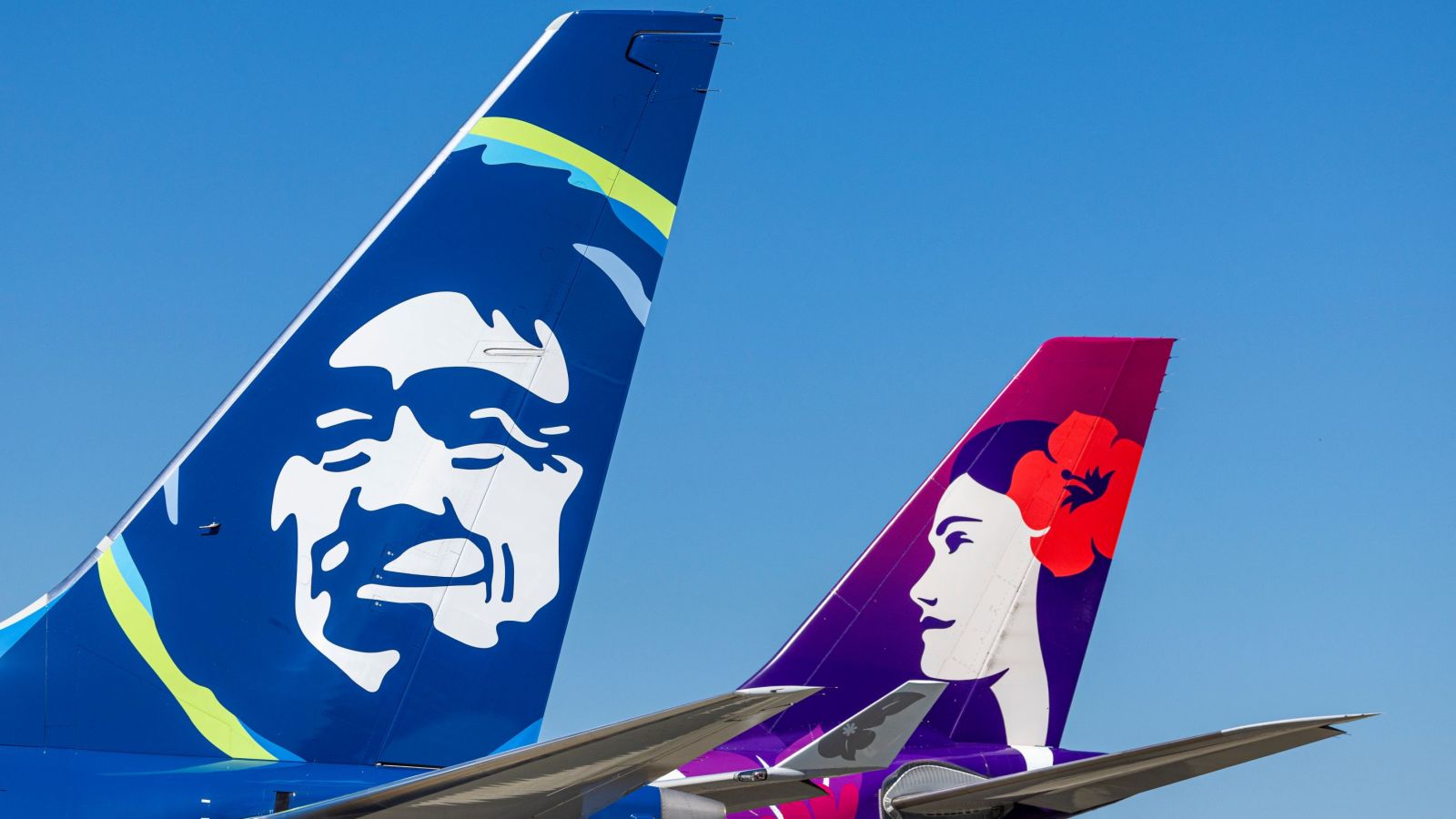
Hawaiian Airlines is retiring all 19 of its Boeing 717 jets and replacing them with larger Boeing 737 Next Generation aircraft, the airline announced Tuesday. The move is designed to keep up with growing demand on inter-island routes across Hawaii. Alaska Air News reported that Alaska Airlines, which owns Hawaiian, selected 737-800s specifically to strengthen what it calls "Neighbor Island service."
Every one of the 717s being phased out is more than 20 years old. The switch to 737s will add seat capacity on short hops between Hawaiian islands, while also improving the experience for passengers, Market Screener reported.
Boeing 717s Out, Larger 737-800s In
The Boeing 717 is a small, narrow-body jet built for short routes. Hawaiian has operated 19 of them on its inter-island network. Now all 19 are being retired in one fleet overhaul. The replacement, the Boeing 737-800, is a bigger plane. It holds more passengers per flight, which means Hawaiian can carry more people without adding more departures.
Alaska Air News said the fleet transition is set to begin soon, though an exact start date was not disclosed. The goal is a full switchover from 717s to 737-800s across Hawaiian's Neighbor Island routes. Alaska Airlines framed the decision as a way to give travelers a better product while also growing the airline's total capacity.
Growing Demand Is Pushing Hawaiian to Scale Up
Inter-island travel in Hawaii is a unique market. Residents and tourists alike rely on short flights to move between islands like Oahu, Maui, Kauai, and the Big Island. There are no highways connecting them. Demand on these routes has been rising, and Hawaiian's aging 717 fleet was not built to meet that scale.
By moving to the 737-800, Hawaiian gets a plane that can carry significantly more passengers per trip. That lets the airline grow its total seat count without having to fly extra routes. Market Screener noted that keeping up with growing demand is the core reason behind the fleet change.
Alaska Airlines Takes the Wheel After Hawaiian Merger
Alaska Airlines completed its acquisition of Hawaiian Airlines in 2024. Since then, Alaska has been making key decisions about Hawaiian's future, including this fleet overhaul. The choice to bring in 737-800s fits Alaska's own fleet strategy. Alaska already flies the 737-800 widely, which makes maintenance and crew training simpler across both airlines.
Alaska Air News also reported separately that Alaska is adding four 737-800 Boeing Converted Freighters to its cargo fleet, growing its dedicated cargo operation from five planes to nine. That move doubles Alaska's cargo capacity and shows the company is betting big on the 737-800 platform across both passenger and freight operations.
What This Means for Passengers Flying Between Islands
For everyday travelers in Hawaii, the change should mean more seats available on popular routes. More capacity can also mean more competitive fares over time, though Hawaiian has not made any pricing announcements yet. The 737-800 also offers a more modern cabin compared to the 717s, which have been flying for over two decades.
The full fleet transition will take time. Retiring 19 aircraft and replacing them is a major logistical effort. But once complete, Hawaiian's inter-island network will run entirely on newer, larger jets — a significant upgrade for one of the most heavily used short-haul air networks in the United States, according to Market Screener.
Sentiment
NeutralNEGATIVENEUTRALPOSITIVE
Publishers
4
Articles
4
Reach
5
A
AnonymousAuthor