Afghan Women's Education Ban
Five Years After Taliban Return, Afghanistan Still Bans Women From Secondary and University Education
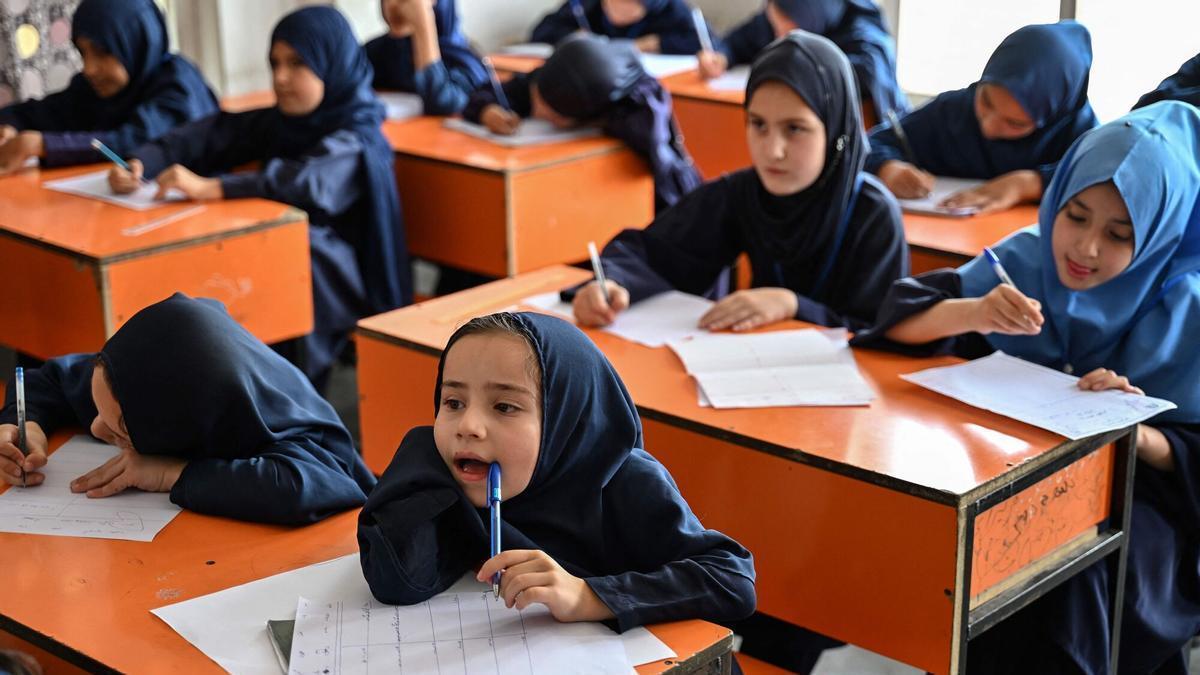
Five years after the Taliban returned to power in August 2021, Afghanistan remains the only country in the world that bans girls and women from secondary and university education. El Periódico de Aragón reports that Afghan women have watched their rights disappear at a speed few thought possible. As one Afghan woman put it: 'I did not know you could lose so many rights so fast.'
Afghanistan is now ranked the worst country in the world to be a woman. The Taliban have dismantled two decades of hard-won gains in just five years. Education, work, freedom of movement — all stripped away, layer by layer, decree by decree.
How the Taliban Erased Women's Rights Decree by Decree
When the Taliban took Kabul on August 15, 2021, millions of Afghan women held jobs, attended school, and moved freely. Within weeks, that changed. Girls above sixth grade were barred from school. Women were banned from most government jobs. Then came bans on parks, gyms, and travel without a male guardian. Información reports each restriction came fast, before anyone could organize a response.
By late 2022, the Taliban banned women from universities entirely. Afghanistan became the first — and only — country in modern history to close higher education to women by law. Today, over 1 million girls are out of school. An entire generation is losing years they will never get back.
Women Locked Indoors, Invisible, and Silenced
Afghan women can no longer work in most sectors. NGOs had to fire their female staff or risk being shut down. Even international aid groups were forced to operate without women employees. La Opinión de Málaga notes that women have been effectively erased from public life. They cannot speak loudly in public, sing, or show their faces on television.
At home, many women describe a life of complete isolation. They need a male relative — a father, husband, or brother — to leave the house. Mental health has collapsed. Reports from inside the country describe rising depression and suicide rates among young women who see no future ahead of them.
Underground Schools and Secret Resistance Keep Hope Alive
Despite the bans, some Afghan women refuse to give up. Secret schools have formed in homes across Kabul and other cities. Girls gather in small groups to study math, science, and languages — risking arrest if discovered. La Opinión de Zamora reports that teachers, often former university professors, run these classes for no pay.
Women activists who managed to flee Afghanistan continue to speak out from abroad. They lobby at the United Nations and European capitals. But progress is slow. The Taliban have shown no sign of reversing any ban. The international community has imposed sanctions, yet the restrictions remain fully in place.
Five Years On, the World's Response Falls Short
The UN has called the situation in Afghanistan 'gender apartheid.' Special envoys have warned that the Taliban's policies are crimes against humanity. Yet no country has formally charged the Taliban in an international court. LNE reports that aid to Afghanistan has been cut, but this hurts ordinary Afghans most — not the Taliban leadership.
For the women still inside Afghanistan, international debate feels distant. Their daily reality is a country where being born female now means a life without school, without work, and without a public voice. Five years in, the question is no longer what the Taliban will do next — it is how much longer the world will watch.
Sentiment
NeutralPublishers
9
Articles
0
Reach
9


