Complexion Shade Innovation
The Estée Lauder Companies Partners with University of Leeds to Advance Complexion Shade Matching Research
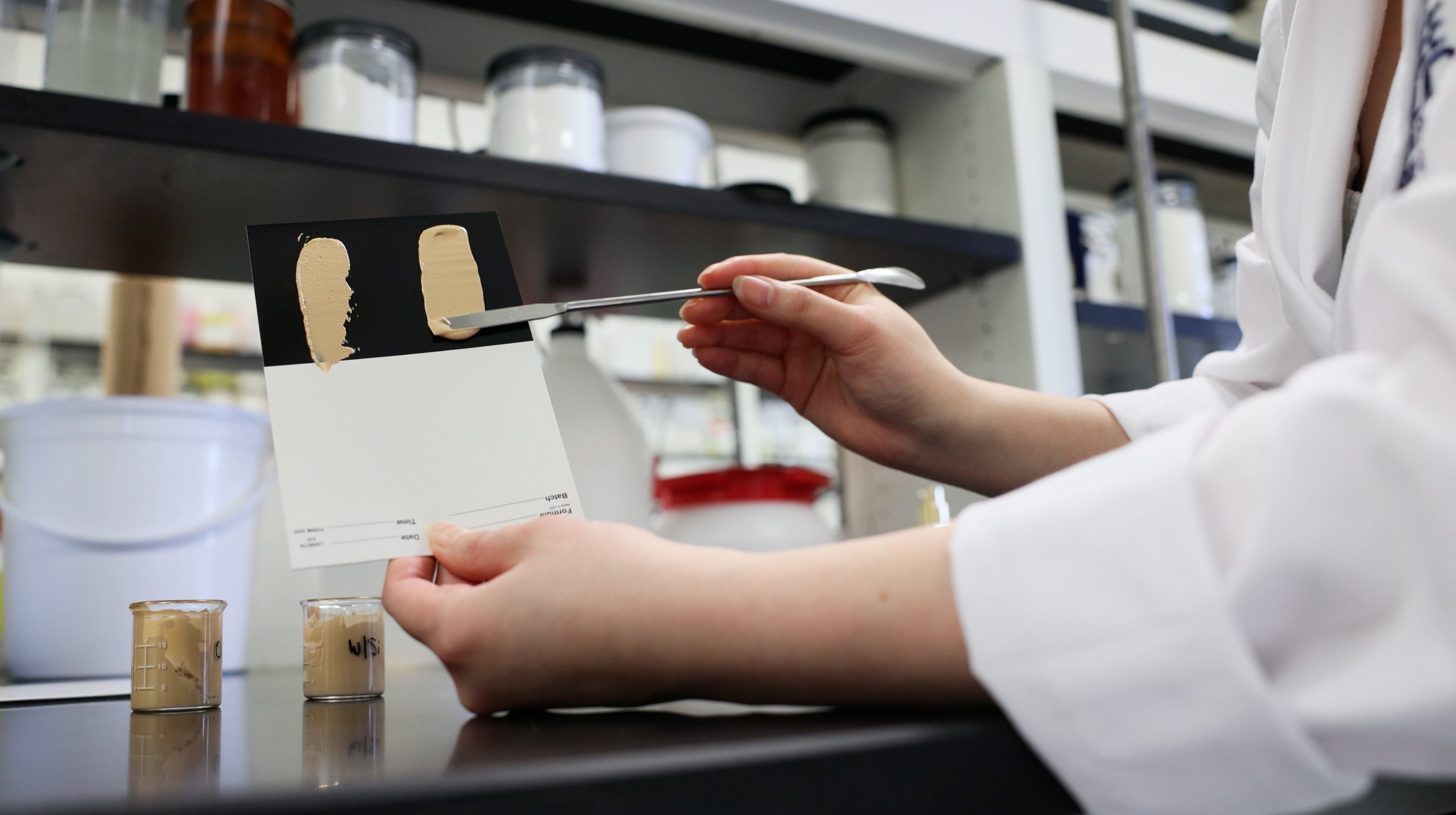
The Estée Lauder Companies has teamed up with the University of Leeds to solve a long-standing beauty problem: finding the right foundation shade for every skin tone. The company announced a formal research collaboration with the School of Design and Dr. Kaida Xiao, a leading expert in color science, according to Financial Post.
The partnership aims to build more precise shade-matching tools for foundation, concealer, and other complexion products. The goal is to make those products look natural on the full range of global skin tones — not just a narrow slice of them.
Why Shade Matching Has Been So Hard to Get Right
Finding the right foundation has frustrated shoppers for decades. Skin tone varies not just in lightness and darkness, but also in undertone — the subtle warm, cool, or neutral hues beneath the surface. Missing that undertone, even slightly, makes a product look "off" in real light. Montreal Gazette noted the research will specifically study how consumers perceive these undertones and detect small color differences.
Standard product testing has not kept pace with the diversity of global consumers. Many complexion products were historically developed with a limited range of skin tones in mind. This research aims to change that by studying a much wider spectrum of skin tones and the science behind how people see color.
Psychophysical Science at the Core of the Research
The project uses what scientists call psychophysical methods. In plain terms, that means testing how real people see and react to color — not just measuring color with machines. Researchers will study how the human eye picks up on tiny differences in shade, according to Leader Post.
Dr. Kaida Xiao leads this work at the University of Leeds. His team brings deep expertise in how light, color, and human vision interact. The findings could set new scientific standards for how beauty companies test and evaluate complexion products before they reach store shelves.
New Benchmarks Could Reshape the Cosmetics Industry
The research could produce concrete, measurable standards for how well a foundation matches real skin. Right now, no universal benchmark exists for what counts as a "good" shade match. The Province reported that the collaboration aims to establish exactly those kinds of scientific benchmarks.
Those standards would apply across Estée Lauder's luxury and prestige brands. The company sells products in markets around the world, from North America to Asia to Africa. Better shade-matching science means fewer mismatched purchases — and more trust from consumers who have historically been underserved.
What This Means for Shoppers Buying Complexion Products
For everyday shoppers, the promise is simple: a foundation that actually matches your skin. The research targets not just shade depth — how light or dark a product is — but also formula improvements. That means better texture and finish, not just better color, according to Financial Post.
The collaboration has no firm public end date yet. But the findings are expected to feed directly into product development across Estée Lauder's brand portfolio. If successful, the science built in a Leeds lab could end up on the faces of millions of consumers worldwide.
Sentiment
NeutralPublishers
18
Articles
18
Reach
18


