VivoSim's China Market Entry
VivoSim Labs Begins Commercial Sales in China with NAMkind™ Toxicology Services Using 3D Human Tissue Models
Anonymous
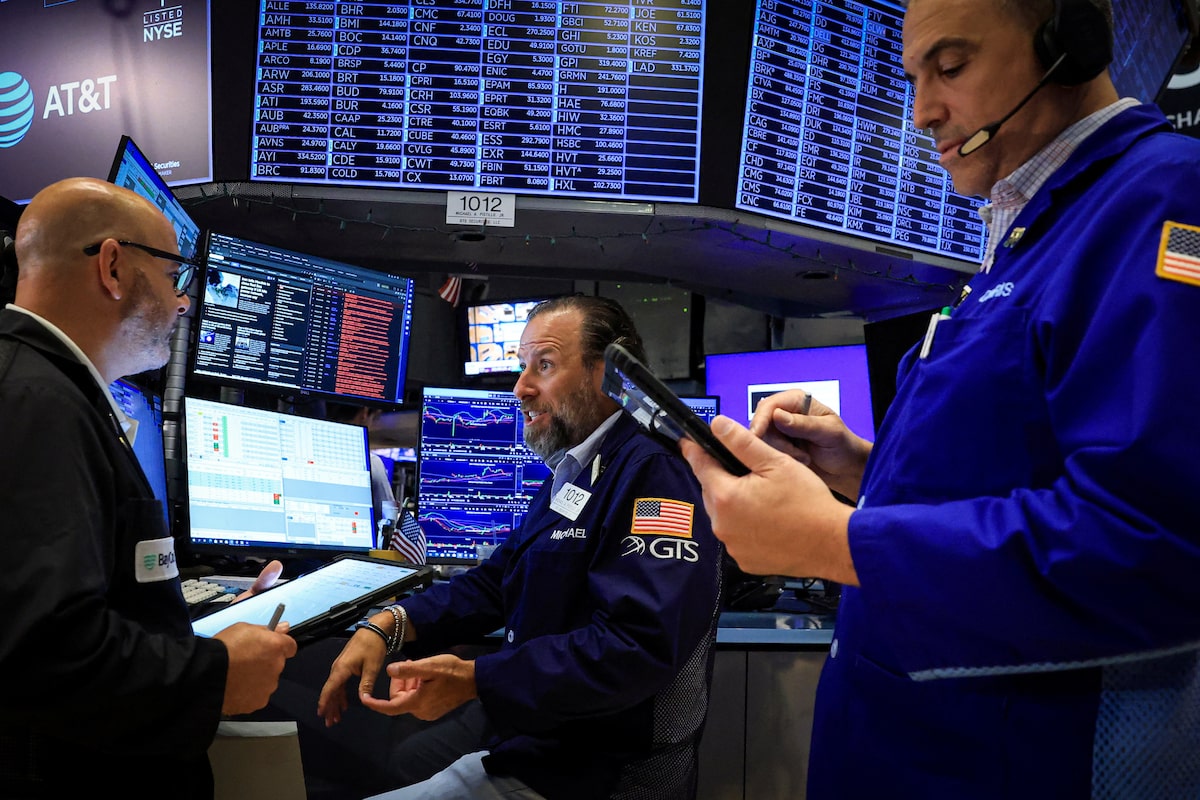
VivoSim Labs has made its first commercial sales in China, landing two paying customers on the Chinese mainland for its NAMkind™ preclinical testing services, according to Montreal Gazette. The clients include a Shanghai-based biotech and a large pharmaceutical company, both ordering tests in oncology and other disease areas.
The orders cover GI toxicology screening and NAMck™ GI efficacy profiling. VivoSim uses 3D human tissue models of the liver and GI tract — lab-grown substitutes for animal tests — to predict how drugs behave in the human body, Ottawa Sun reported.
What VivoSim's NAMkind™ Technology Actually Does
New Approach Methodologies, or NAMs, are testing methods that replace or reduce animal experiments. VivoSim builds 3D models of human liver and gut tissue in the lab. Drug companies send candidate molecules. VivoSim runs them through the tissue models to spot toxic effects or measure how well a drug works, Brantford Expositor reported.
The two main services sold in China are toxicology screening — checking whether a molecule is harmful — and efficacy profiling, which measures whether the drug actually does its job in GI tissue. Both services are part of the NAMkind™ platform, according to The Sudbury Star.
China Entry Opens One of the World's Largest Drug Markets
China is home to hundreds of fast-growing biotech firms and some of the world's largest pharmaceutical companies. Landing two paid programs there marks a clear step forward for VivoSim, which had not previously had commercial customers on the Chinese mainland, The Province reported.
The Shanghai-based biotech and the unnamed large pharma company are VivoSim's first footholds in a market where drug development spending has grown sharply over the past decade. The company called the entry a significant new market opening, according to Leader-Post.
FDA's Push to Phase Out Animal Testing Fuels Global Demand
VivoSim's expansion comes as the U.S. Food and Drug Administration has announced plans to phase out the animal-testing requirement for certain drugs. That shift is pushing drug companies worldwide to find human-relevant alternatives fast, Stratford Beacon Herald reported.
VivoSim says it expects global adoption of human tissue models to accelerate as regulators move away from animal data. The FDA's policy change gives companies a concrete reason to start building experience with NAM-based testing now, according to Financial Post.
First China Sales Signal Wider International Growth Push
The China deals are part of a broader push by VivoSim to grow beyond its home markets. The company provides testing as a service, meaning clients send molecules and receive results — no need to build their own tissue model labs, Shoreline Beacon noted.
With oncology among the first disease areas tested in China, VivoSim is targeting one of the most active segments of the Chinese pharma market. The company has not disclosed the financial value of the initial orders, Woodstock Sentinel-Review reported.
Sentiment
NeutralNEGATIVENEUTRALPOSITIVE
Publishers
12
Articles
12
Reach
12
A
AnonymousAuthor