Assessing AI SOC Maturity
e2e-assure Releases AI SOC Maturity Framework to Critique Current Industry Capability Standards
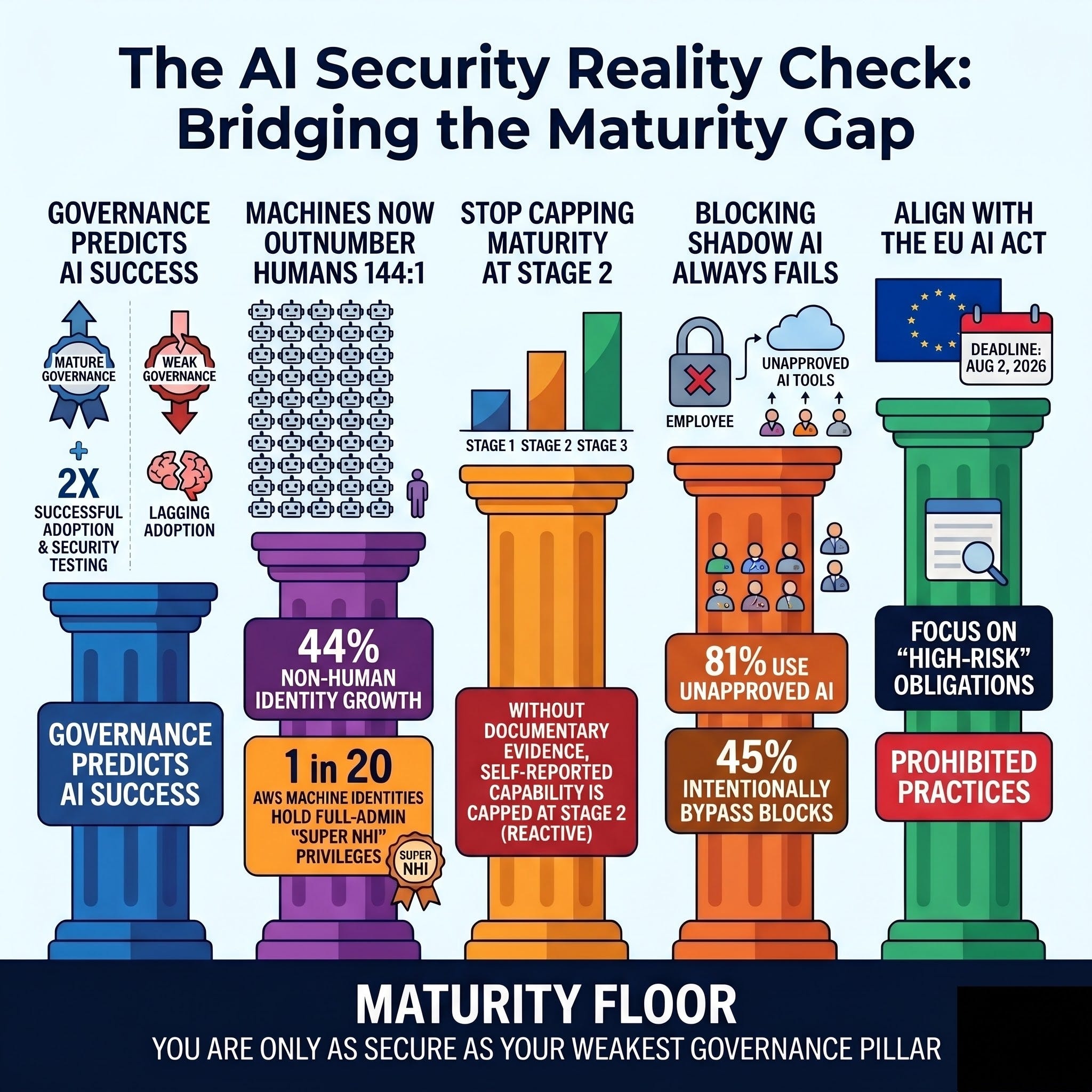
e2e-assure, a UK-based security firm, has unveiled a maturity framework showing that most AI security operations centers (SOCs) marketed today are stuck at the lowest level Ontario Farmer. The company argues the term "AI SOC" has been stretched so broadly it no longer tells buyers anything useful about actual capability. The framework defines three stages: reactive, proactive, and predictive. Most vendors today, e2e-assure contends, only offer basic alert summarization and false-positive reduction — reactive-level work that falls far short of what enterprise security actually needs.
The Three Stages of AI SOC Maturity
Reactive AI SOCs do the bare minimum: they summarize alerts and cut down on false positives Mitchell Advocate. Proactive systems go further. They analyze patterns beyond simple alert reduction and spot emerging threats. A predictive AI SOC — the highest tier — uses estate-specific baselines, cross-domain correlation, and digital twin simulation. These advanced systems identify potential breaches before they hit production The Observer.
Why Marketing Hype Outpaces Real Capability
The term "AI SOC" has become meaningless in vendor pitches. Nearly every platform claims AI-driven security, yet most deliver only the reactive stage The Crag and Canyon. This gap between claims and reality leaves enterprise buyers confused. They cannot compare actual maturity levels because vendors use identical language to describe vastly different tools. e2e-assure's framework aims to create a common language for capabilities Recorder.
Speed From AI, Accountability From Humans
Rob Demain, e2e-assure's CEO and founder, stressed that AI delivers speed but human judgment delivers accountability Brantford Expositor. Organizations must prove vendor claims with evidence, not marketing slides. For regulated industries and critical national infrastructure, the trend is moving away from cloud-based AI SOCs altogether Pembroke Observer. Instead, firms are adopting sovereign or locally-hosted AI models to maintain data control and meet compliance rules.
What Enterprises Should Demand From Vendors
Buyers need concrete proof before signing contracts The Sudbury Star. Ask vendors which maturity stage they operate at. Demand evidence: Can they run cross-domain correlation? Do they use digital twin simulation? Will they operate on sovereign infrastructure if required? The shift toward predictive AI SOCs and locally-hosted models reflects growing demand for control. Enterprises are no longer accepting generic "AI-powered" claims without specifics.
Sentiment
NeutralPublishers
8
Articles
8
Reach
8