Air Canada Labor Deal
Air Canada Reaches Tentative Agreement with IAMAW for 11,000 Employees
Anonymous
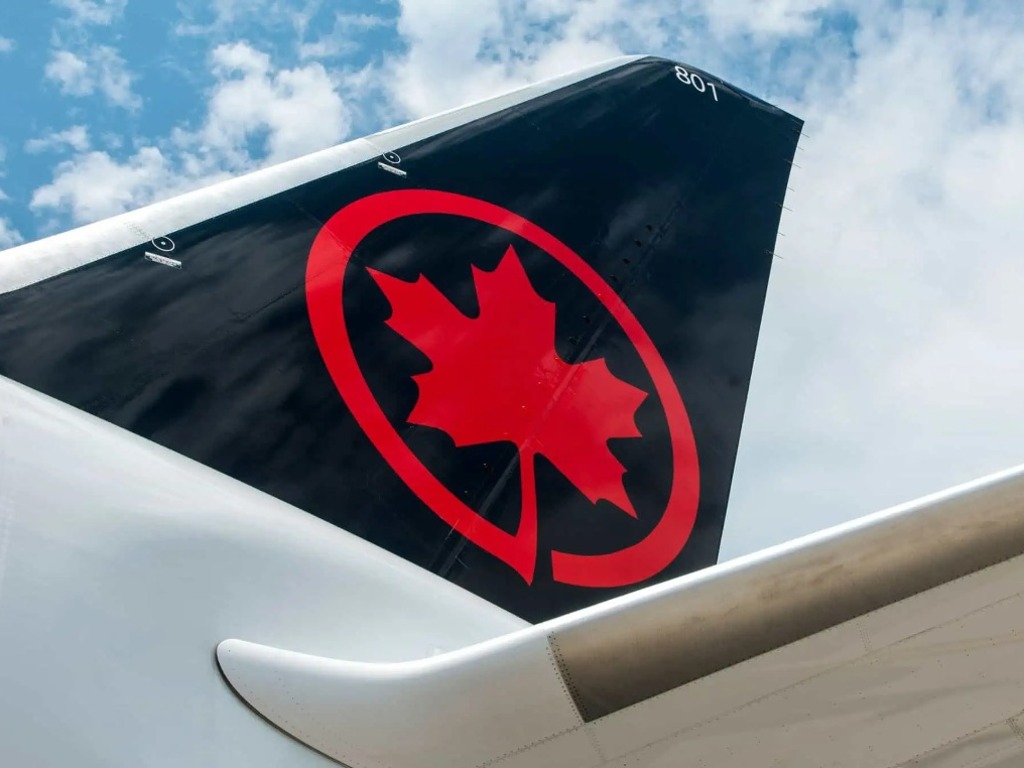
Air Canada has reached a tentative collective agreement with the International Association of Machinists and Aerospace Workers (IAMAW), covering 11,000 employees across Technical Operations, Maintenance, and Operational Support, according to Financial Post. The deal marks the sixth collective agreement the airline has struck this year, signaling a broad push to stabilize its workforce relations.
The agreement would run from April 1, 2026 through March 31, 2030 — a four-year term. It still needs to be ratified by union members before it takes effect, Montreal Gazette reported.
Who the Deal Covers and What It Means
The 11,000 workers covered by this agreement include employees in Airports, Cargo, Logistics, and Supply, as well as core maintenance and technical roles, according to Financial Post. These are the people who keep Air Canada's planes flying safely and its ground operations running day to day.
The IAMAW is one of the largest unions in the aerospace and airline industry. Reaching a deal with them — without a strike — removes a significant source of potential disruption for the carrier heading into 2026 and beyond, Shoreline Beacon noted.
Air Canada's Sixth Labor Deal of the Year
This tentative agreement is the sixth collective deal Air Canada has concluded in 2025 alone. That pace is unusual and suggests the airline has made settling labor disputes a top priority this year, according to Owen Sound Sun Times.
Reaching multiple agreements in a single year helps Air Canada avoid the kind of costly work stoppages that have hurt other carriers. Labor peace also helps the airline plan schedules and manage costs more reliably, Sault Star reported.
Ratification Still Needed Before Deal Is Final
The agreement is tentative, meaning union members must vote to approve it before it becomes binding. A failed ratification vote could send both sides back to the bargaining table, Recorder noted.
No date for a ratification vote has been announced publicly. Until members vote, the existing terms of employment remain in place. Both Air Canada and the IAMAW have signaled they support the deal, according to Ontario Farmer.
Air Canada's Broader Goals Beyond Labor Deals
Alongside its labor activity, Air Canada has set a long-term goal of reaching net-zero greenhouse gas emissions by 2050. The airline sees stable workforce agreements as part of building the foundation needed to meet that target, Financial Post reported.
Operational stability — backed by settled labor contracts — is key to any long-range climate or business plan. With six deals now in place, Air Canada appears to be laying the groundwork for a more predictable future, according to Montreal Gazette.
Sentiment
NeutralNEGATIVENEUTRALPOSITIVE
Publishers
7
Articles
7
Reach
7
Topics
A
AnonymousAuthor


