Paisaje sonoro jurásico
Científicos reconstruyen cómo sonaban los insectos en los bosques del Jurásico hace millones de años
Anonymous
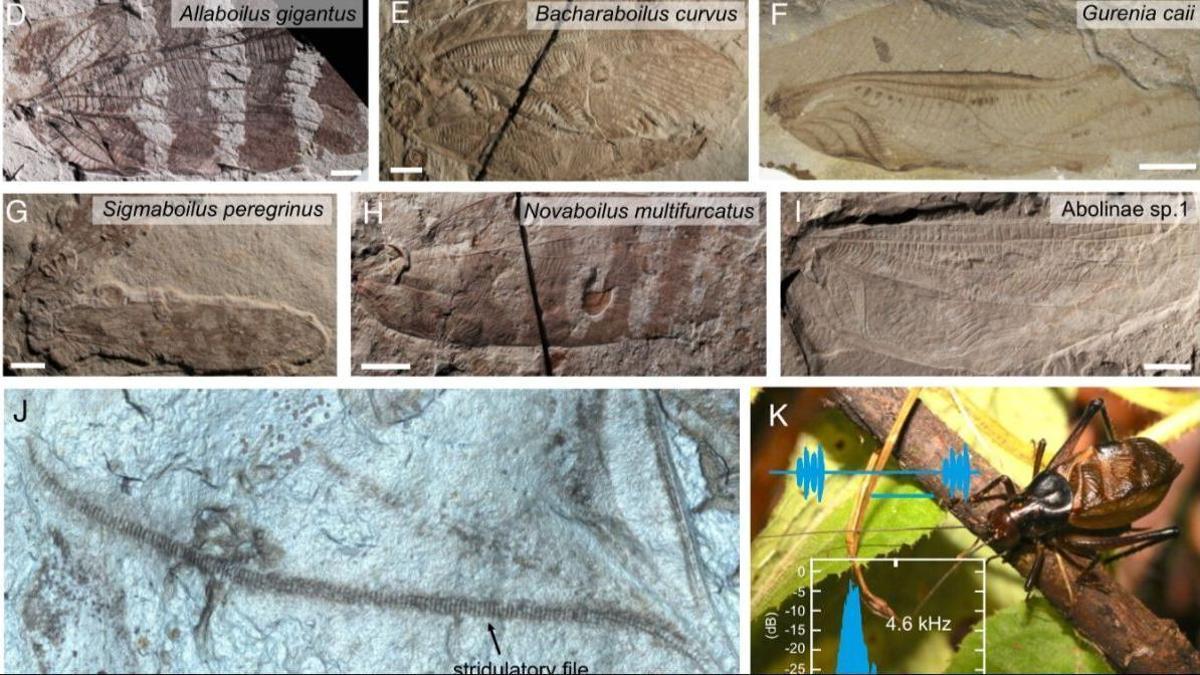
Scientists have reconstructed the sounds of insects living in Jurassic forests 165 million years ago. El Correo Gallego reports that researchers analyzed nine ancient insect species and discovered a surprisingly complex soundscape. The findings reveal that insects used ultrasound — high-pitched sounds above human hearing — millions of years before bats evolved.
Ancient Insects Created Complex Soundscapes
The Jurassic period was not silent. Levante-EMV explains that nine insect species produced a rich variety of sounds. Scientists studied fossils and reconstructed how these creatures communicated. The soundscape reveals insects using clicks, chirps, and buzzes to interact with each other. This acoustic complexity challenges the idea that insect communication was simple in ancient times.
Ultrasound Existed Long Before Bats Appeared
Most scientists believed ultrasonic hearing evolved when bats emerged. Diario de Ibiza reports the new findings overturn this assumption. Insects in the Jurassic already used ultrasound for communication. This means the technology existed at least 80 million years before bats. The discovery rewrites the timeline of how ultrasonic sound evolved on Earth.
How Scientists Reconstructed Ancient Insect Calls
Reconstructing sounds from fossils seems impossible. La Provincia describes how researchers used multiple methods. They examined the physical structures of ancient insects. They studied how modern insects produce sound. Then they compared modern insects to Jurassic species. This combination allowed scientists to estimate what ancient calls sounded like. The research represents a major breakthrough in understanding prehistoric life.
What This Reveals About Evolution
These findings change how scientists think about insect evolution. La Opinión de Zamora notes that communication technology developed earlier than expected. Insects invested heavily in sound production 165 million years ago. This suggests acoustic communication was critical for survival and reproduction. The complex soundscape means insects competed for acoustic space just like modern animals do. The discovery opens new questions about how prehistoric ecosystems actually functioned.
Sentiment
NeutralNEGATIVENEUTRALPOSITIVE
Publishers
17
Articles
0
Reach
17
A
AnonymousAuthor


