Midterm Campaign Flashpoint
Data centers emerge as a key point of contention in midterm election campaigns
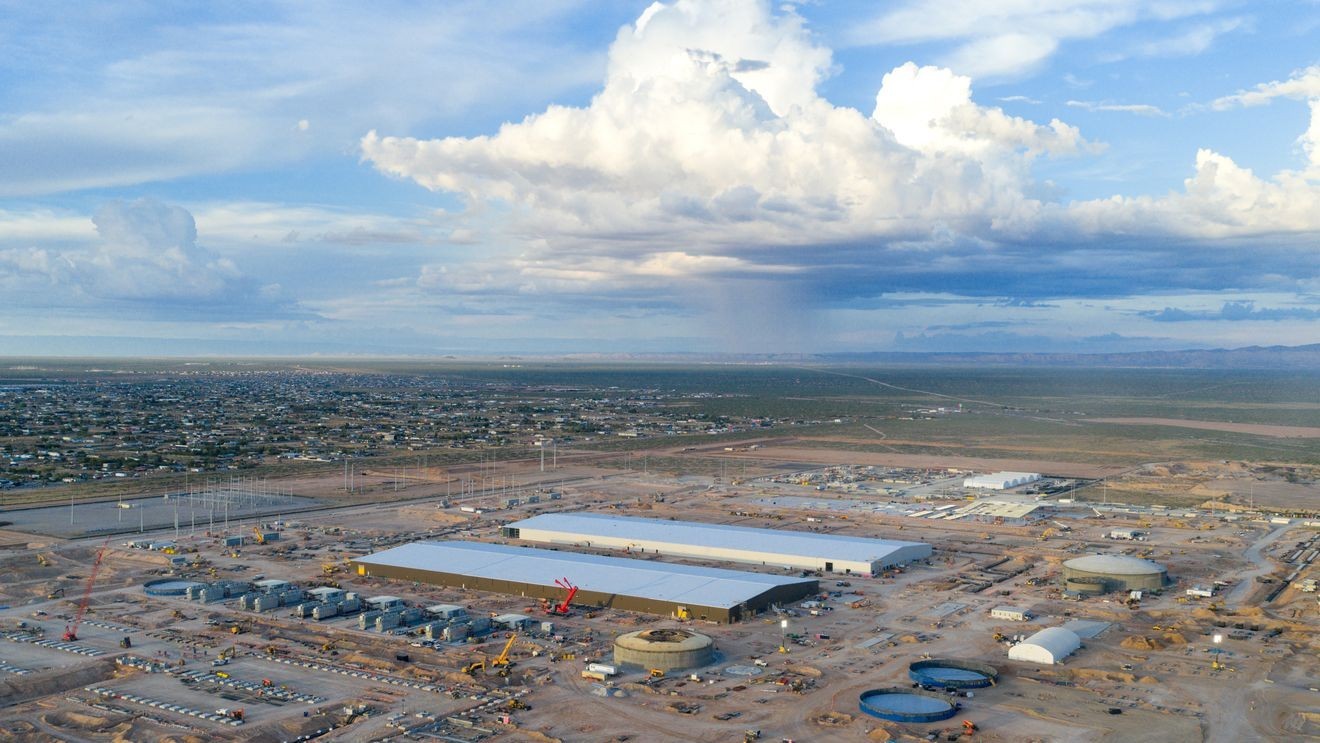
Data centers, which power artificial intelligence systems, have shifted from a political prize to a campaign liability ahead of November's midterm elections. A new Heatmap Pro poll shows 75% of Americans would oppose a data center being built near their home, up from just 42% a year ago Heatmap. Concerns about electricity costs, water use, land consumption, noise and tax breaks are fueling backlash across swing states.
Politicians in both parties are responding to voter fears. Pennsylvania's Democratic Gov. Josh Shapiro imposed new restrictions on data center development. In Wisconsin, Republican gubernatorial nominee Tom Tiffany is attacking his opponent as "Data Center David Crowley." Yet President Trump still backs data centers, arguing they create jobs and give America a competitive edge in AI against China KOMO
The Dramatic Shift in Public Opinion
Just one year ago, data centers seemed politically safe. Many communities welcomed them for promised jobs and tax revenue. Now the calculus has flipped entirely. The 33-point jump in opposition—from 42% to 75%—reflects growing concerns about environmental and quality-of-life impacts CBS Austin. Voters worry about skyrocketing electricity bills and strain on local power grids.
Water consumption has become another flashpoint. Data centers require massive amounts of water for cooling systems. Noise from equipment runs 24/7. Property values near proposed sites face uncertainty. These concrete impacts hit closer to home than abstract promises of future growth FOX 23.
Democrats Tighten Rules While Republicans Attack Opponents
Democratic politicians are moving quickly to address voter concerns. Pennsylvania Governor Josh Shapiro imposed new restrictions and requirements on data center projects in his state. These rules include stricter environmental reviews and stronger protections for local water supplies ABC St. Louis. Similar moves are underway in other swing states.
Republicans are taking a different approach. In Wisconsin, Tom Tiffany's campaign is branding his opponent as "Data Center David Crowley," weaponizing the issue against him. The strategy reflects how rapidly the political terrain has shifted WU-TV. Data centers have become electoral ammunition KUTV.
Trump Champions Data Centers for AI Competitiveness
President Trump stands apart from the political backlash. He remains firmly supportive of data center development. His argument centers on national security and economic strength. Data centers bring investment and jobs to communities. More importantly, Trump says, they provide computing power critical to competing with China in the global AI race FOX 17. Without them, he contends, America falls behind.
This creates a deep divide within the Republican Party. Some GOP candidates embrace Trump's pro-development stance. Others are pivoting to oppose data centers in their districts. The tension highlights how local environmental concerns clash with national strategic interests Turn to 10. The November elections will test which message resonates with voters.
Meta's El Paso Project Signals Industry Momentum
Despite political headwinds, data center construction continues. Meta Platforms has begun building a $10 billion data center in Northeast El Paso, Texas CBS Austin. The project spans approximately 1,000 acres and represents one of the largest infrastructure investments in the region. It exemplifies the scale and scope driving public concern. A single facility can consume as much electricity as a small city and require vast water resources daily.
Such massive projects will likely dominate campaign discussions in affected regions through November. The political battle between pro-growth and pro-environment camps will shape which candidates win KOMO. Data centers have become unavoidable centerpieces of the midterm elections.
Sentiment
NeutralPublishers
8
Articles
7
Reach
8


