Record National Debt Levels
Canadian Consumer Debt Hits Record $2.64 Trillion Amid Rising Mortgage Delinquencies
Anonymous
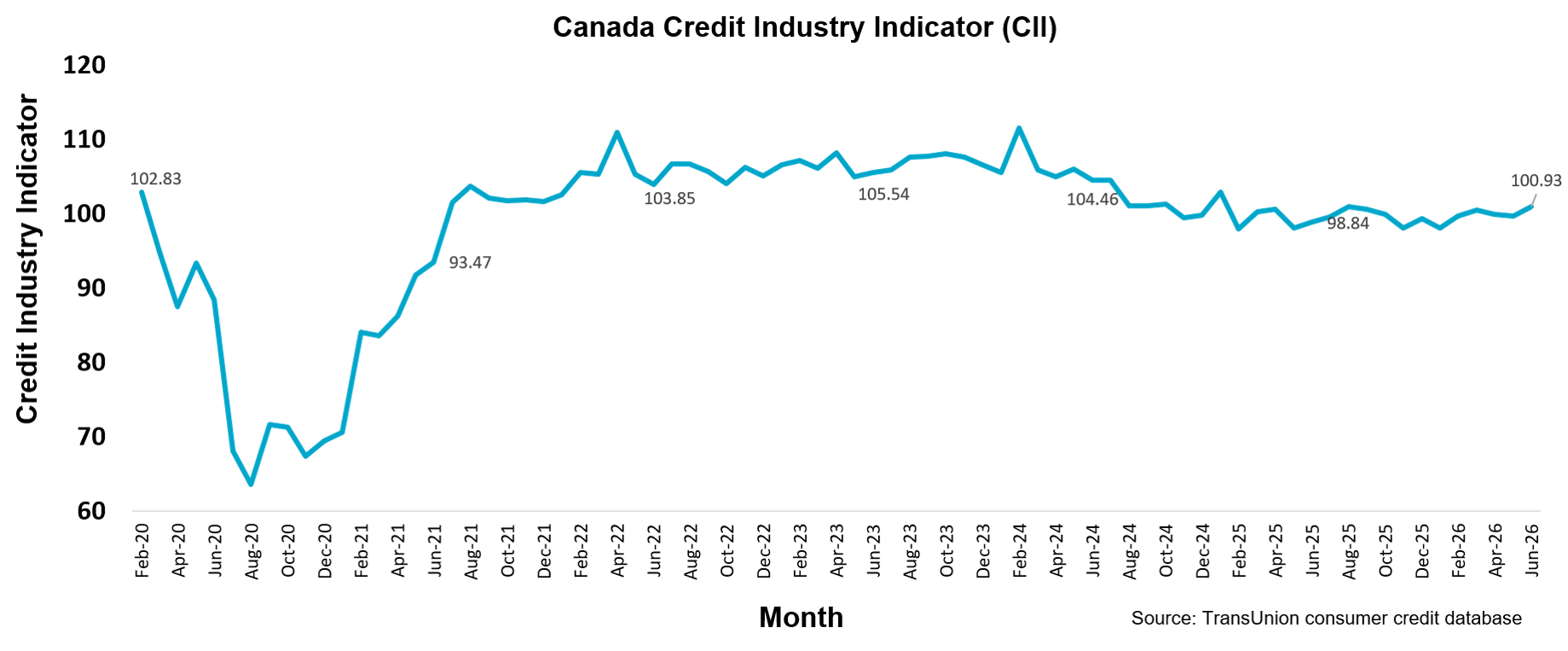
Canadian consumer debt hit a record $2.64 trillion in the second quarter of 2026, according to TransUnion's latest Credit Industry Insights Report. The total jumped $116.7 billion compared to the same period last year. At the same time, 32.5 million Canadians now have access to credit — a 1.1% increase year-over-year.
But the story differs sharply depending on who you are. High-income borrowers saw credit limits grow 6.4% while struggling borrowers got 5.8% more available credit. Meanwhile, mortgage delinquencies rose and new mortgage growth slowed as Canadians face soaring housing costs.
Record Debt Driven by Credit Expansion
Canadian debt climbed to $2.64 trillion, with $116.7 billion added year-over-year, according to TransUnion's report. The number of people accessing credit expanded to 32.5 million. Both metrics hit record highs as banks issued more credit to more households across the country.
Wealthy Borrowers Pull Further Ahead
Credit limits for super-prime consumers — those with the strongest credit scores — jumped 6.4% year-over-year, according to TransUnion. These borrowers enjoyed easier access to larger credit lines. The expansion reflects banks' confidence in lending to low-risk households even as economic uncertainty persists elsewhere.
Subprime Borrowers Get More Credit But Face Risk
Subprime consumers — those with weaker credit — also saw credit grow, with available balances up 5.8% and outstanding balances climbing 5.9%, per TransUnion. These borrowers are taking on more debt despite higher interest rates and tighter budgets. The growth suggests desperation rather than financial confidence among lower-income households.
Mortgage Market Cools as Affordability Crisis Deepens
New mortgage growth slowed significantly as housing costs remain out of reach for many Canadians, TransUnion data shows. Serious mortgage delinquencies — accounts 60+ days past due — climbed to 0.31%, up 3 points year-over-year. Rising interest rates and home prices have squeezed borrowers, forcing some into missed payments for the first time.
Sentiment
NeutralNEGATIVENEUTRALPOSITIVE
Publishers
5
Articles
5
Reach
5
A
AnonymousAuthor


