Marinos atrapados en Ormuz
Miles de marinos siguen atrapados en el estrecho de Ormuz desde el inicio del conflicto
Anonymous
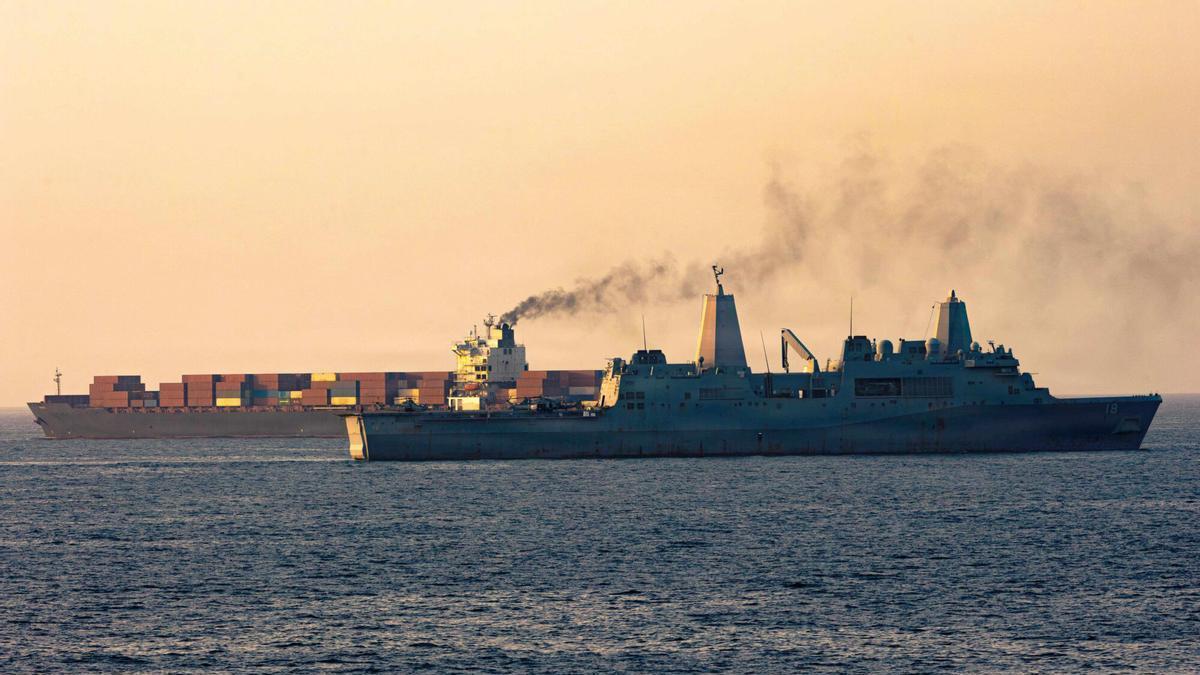
Approximately 6,000 sailors remain trapped in the Strait of Hormuz since Iran blocked the strategic waterway in March, according to La Opinión. Workers and unions report severe physical and psychological strain from months of confinement aboard ships unable to enter or leave the region. One sailor said they are being "used as bargaining chips" in the broader conflict.
The crisis has created a humanitarian emergency at sea. Crews face extended contracts, limited supplies, and no clear end date. Unions demand immediate intervention from governments to resolve the blockade and bring trapped mariners home.
6,000 Sailors Stuck in Limbo at Hormuz
The Strait of Hormuz remains effectively closed since Iran's blockade began in March. Approximately 6,000 sailors work on vessels unable to transit the waterway, according to El Correo. Ships are anchored or moving slowly, waiting for passage that may never come. Many crews have already exceeded their legal contract limits by months.
Sailors report they cannot leave their posts. Shore leave is impossible. Food and fresh water become scarcer over time. Mental health deteriorates as uncertainty stretches into months. Families at home worry constantly. Workers feel abandoned by their own governments.
Physical and Psychological Toll on Crew Members
The human cost of the blockade is mounting daily. According to Levante-EMV, sailors face exhaustion from 24-hour vigilance, cramped quarters, and monotonous work with no end in sight. Sleep deprivation is widespread. Some crew members report anxiety and depression symptoms. Medical care at sea is limited.
Unions say the situation violates international maritime law. Workers are being held against their will in dangerous waters. Families have stopped receiving normal communications. Some sailors have not seen loved ones in over a year, Diario de Córdoba reported. The psychological damage may take years to heal.
Governments Face Pressure to Negotiate Freedom
Unions demand immediate diplomatic action. Diario de Ibiza reports that maritime worker organizations in Spain and other nations are pushing their governments to negotiate the blockade's end. The sailors say they are being used as political leverage in the Iran conflict. No formal negotiations have produced results yet.
The crisis exposes the vulnerability of seafarers in global conflicts. According to El Periódico de Extremadura, international maritime authorities have issued warnings but lack enforcement power. Shipowners face financial losses. Crews face physical and mental deterioration. A solution requires political will from multiple nations to pressure Iran into reopening the strait.
Sentiment
NeutralNEGATIVENEUTRALPOSITIVE
Publishers
12
Articles
0
Reach
12
A
AnonymousAuthor


