Next-Gen Starship Launch
SpaceX set to launch upgraded Starship today targeting future moon and Mars missions.
Anonymous
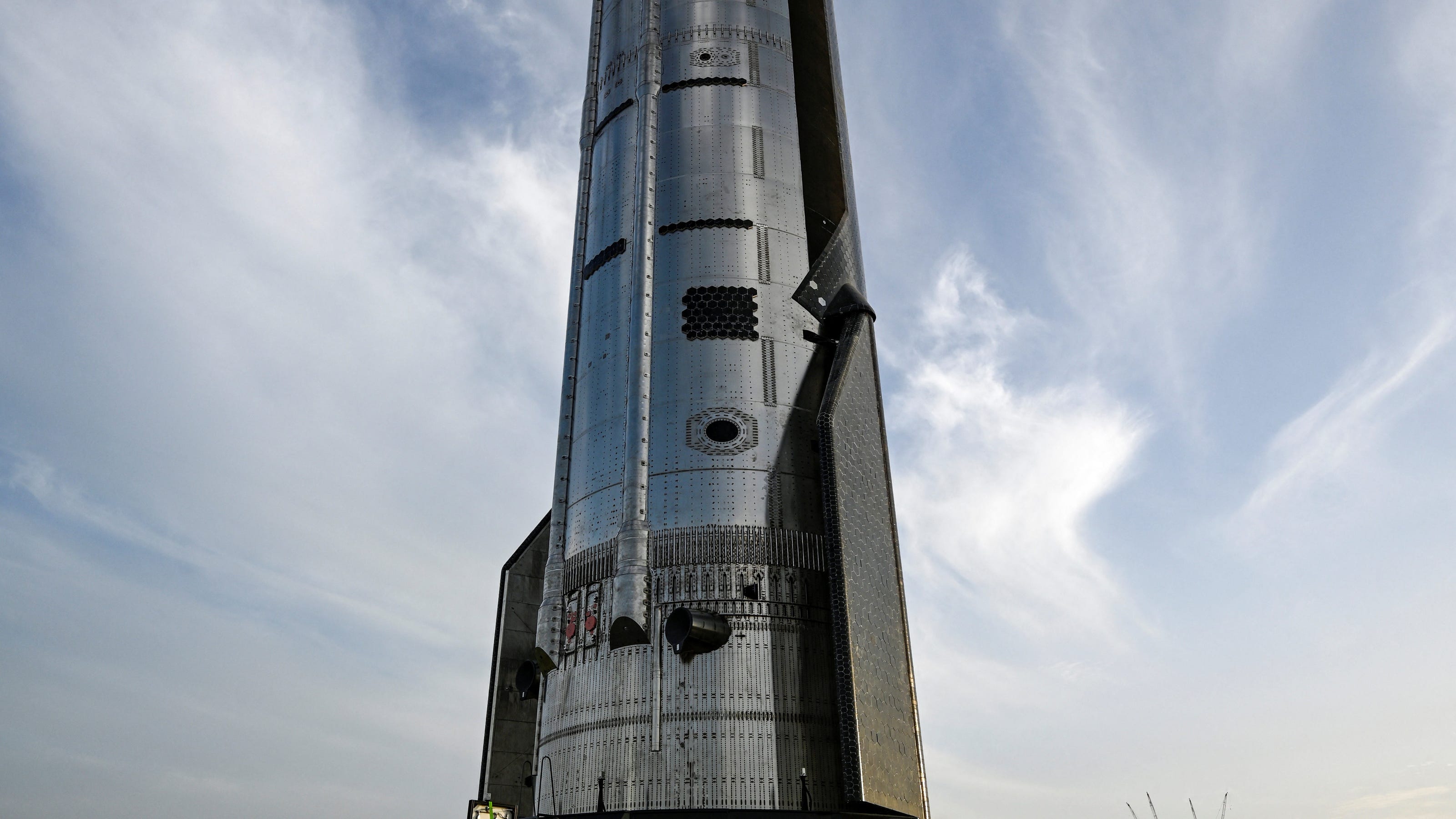
SpaceX is set to launch its Starship rocket on July 16 from Starbase in South Texas, according to Florida Today. This will be the second test flight of the world's largest rocket. The launch window opens today, and SpaceX will stream it live on its website and on X.
This flight will use a brand-new Version 3 prototype of Starship. The updated design is more powerful than the version flown before, Palm Beach Post reported. Starship is built to carry both cargo and crew on missions to the Moon and, eventually, Mars.
How and When to Watch the Launch Live
SpaceX will stream the Starship launch live on its official website and on X, the social media platform. Viewers do not need a subscription or special account to watch. The company typically starts its webcast about 30 minutes before liftoff, with live commentary and camera views from the launch site.
The launch site is SpaceX's Starbase facility near Boca Chica, Texas. SpaceX built Starbase specifically for Starship testing and development. The remote South Texas location allows the company to test the massive rocket away from heavily populated areas, Tallahassee.com noted.
Version 3 Starship Is Bigger and More Powerful
The rocket flying today is a Version 3 prototype. That makes it a step up from the Version 2 vehicle used in earlier tests. SpaceX says the new version produces more thrust and is designed to be closer to the final operational design, according to Herald Tribune.
Starship is the tallest rocket ever built. The full stack — the Super Heavy booster plus the Starship upper stage — stands about 400 feet tall. It is designed to be fully reusable, which SpaceX says will dramatically cut the cost of reaching space.
NASA Is Counting on Starship to Land Astronauts on the Moon
Starship is not just a SpaceX project. NASA has a contract with SpaceX to use a special lunar version of the rocket as its Human Landing System. That means Starship is the vehicle NASA plans to use to land astronauts on the Moon for the first time since 1972, Florida Today reported.
The lunar lander version is called the Human Landing System, or HLS. NASA selected SpaceX for this role as part of its Artemis program. Successful test flights like today's are critical milestones before any crewed Moon landing can happen.
SpaceX's Bigger Goal: A Self-Sustaining Human Colony on Mars
Beyond the Moon, SpaceX founder Elon Musk has a much larger target in mind: Mars. The company's long-term vision is for Starship to serve as an interplanetary vehicle, carrying humans to Mars to build a permanent, self-sustaining colony there, according to Palm Beach Post.
That goal is still far off. But each test flight brings SpaceX closer to proving the rocket works reliably. Today's second test flight is a key step in that process. The data gathered will help engineers refine the design before the rocket ever carries a crew, Herald Tribune noted.
Sentiment
NeutralNEGATIVENEUTRALPOSITIVE
Publishers
4
Articles
3
Reach
4
Topics
A
AnonymousAuthor


