AI Data Center Trade-Offs
Florida Residents Must Weigh the Resource Trade-Offs of Expanding AI Data Centers
Anonymous
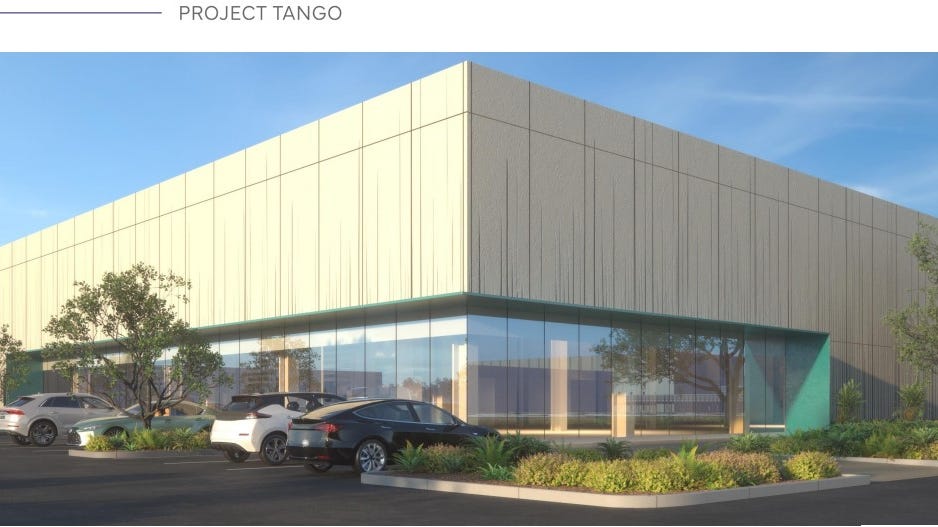
Florida faces a critical decision about AI data centers—massive facilities that power everything from ChatGPT to cloud storage. These centers demand huge amounts of land, electricity, and water, raising questions about whether the economic benefits outweigh the costs to the state's fragile environment and power grid. St. Augustine Record reports that data centers are the backbone of internet services, but they consume far more power than traditional facilities.
Floridians must weigh competing interests: job creation and tax revenue against strain on water supplies, electricity demand, and coastal infrastructure. The state's growing AI sector could reshape Florida's economy—but residents need clear answers about what the trade-offs really mean.
What AI Data Centers Actually Do
Data centers are warehouses filled with servers that store, access, and analyze massive amounts of information. Jacksonville.com explains they are the invisible backbone of the internet—every email, video stream, and AI model runs through them. Traditional data centers use significant power, but AI facilities demand even more electricity because artificial intelligence requires constant computation.
Think of them as digital factories. A single AI data center can be as large as a football field or bigger, housing thousands of computers running 24 hours a day. The bigger the facility, the more power it needs to stay cool and operational.
Why Florida Is Attractive for Data Centers
Florida's location, available land, and existing infrastructure make it appealing to tech companies. Palm Beach Post notes that data centers need huge amounts of power and water—two resources Florida has in abundance. Lower electricity costs in some regions and proximity to major cities also draw companies seeking places to build.
Tax incentives and streamlined permitting in some Florida counties make development faster and cheaper. Companies can build facilities, create jobs, and generate tax revenue for local governments within months rather than years.
The Power Grid Strain and Energy Costs
Florida's electricity grid is already stretched thin during summer months. News-Press highlights that AI data centers consume massive amounts of power—some facilities use as much electricity as 50,000 homes. Adding more centers could push the grid closer to capacity, risking blackouts and forcing utilities to spend billions on upgrades.
Higher electricity demand may mean higher costs for all Floridians. Utilities raise rates to pay for infrastructure improvements needed to support data centers, making everyone's electric bills go up, not just the data center companies.
Water Consumption and Environmental Risks
Water is crucial for cooling data center servers. Gainesville.com reports that AI facilities can use millions of gallons daily—equivalent to what a city of thousands consumes. In Florida, where the water table is fragile and saltwater intrusion threatens freshwater supplies, massive water use is risky.
Coastal counties face unique challenges. Tallahassee.com warns that data centers in low-lying areas could compete with homes and farms for water while dealing with flooding from sea-level rise. Depleting groundwater also harms ecosystems that depend on it, including wetlands and springs.
The Real Question: Jobs Versus Quality of Life
Data centers do create jobs—construction workers, engineers, and support staff earn good wages. Ocala.com notes that a single facility can bring hundreds of permanent positions and millions in tax revenue to counties. For economically struggling regions, that money matters enormously.
But the benefits may not reach all Floridians equally. Low-income neighborhoods often host industrial facilities while wealthy communities stay protected. Naples News asks whether faster growth is worth the risk to Florida's environment, water, and affordability for working families.
Sentiment
NeutralNEGATIVENEUTRALPOSITIVE
Publishers
12
Articles
11
Reach
12
Topics
A
AnonymousAuthor


