Impacto neuronal de la depresión
Investigación revela que la depresión bloquea la formación de nuevas neuronas cerebrales
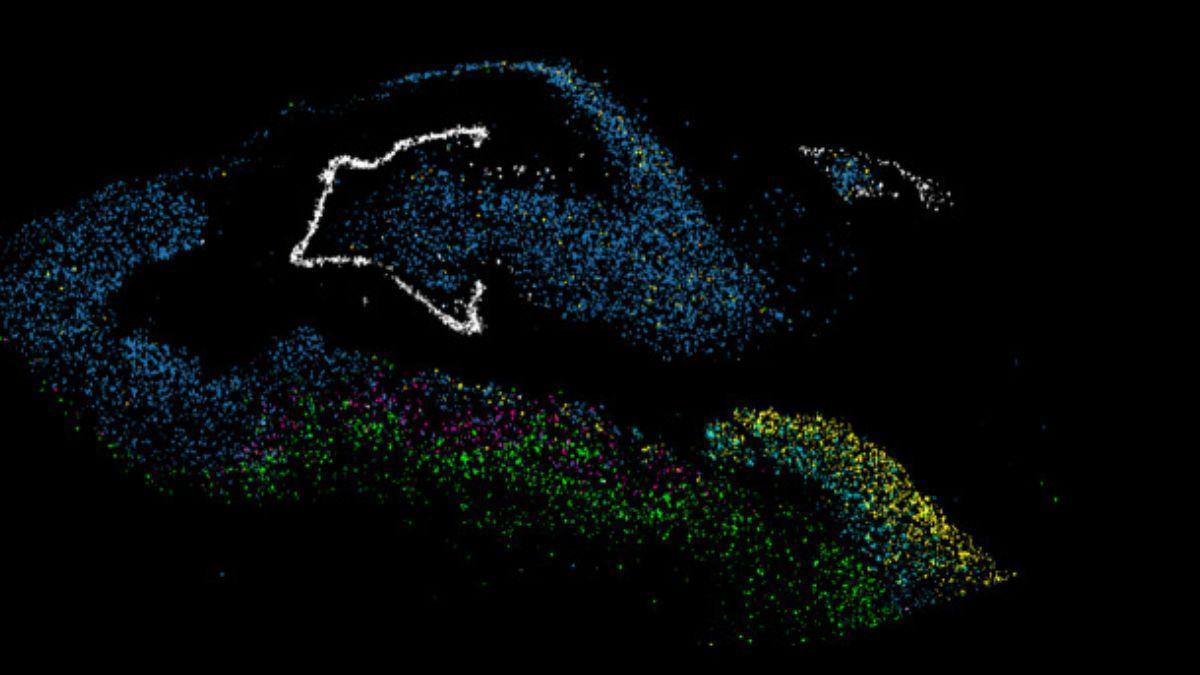
New research using human brain tissue reveals that depression blocks the formation of new neurons in the hippocampus, a critical brain region involved in memory and mood. The study shows that neurogenesis — the brain's natural process of creating new nerve cells — becomes stunted during a key maturation stage in people with depression, according to Spanish Regional Press.
How Depression Halts Neuron Growth
Scientists examined brain tissue samples from depressed patients and found a specific problem. New neurons start forming normally, but they get stuck during maturation in the hippocampus. The cells fail to develop into fully functional neurons that can integrate into brain circuits. This blockage appears to be a direct effect of depression on the brain's cellular machinery, Spanish Regional Press reports.
Why This Discovery Matters for Treatment
The hippocampus controls memory formation and emotion regulation — two systems severely disrupted in depression. When new neurons can't mature properly, the brain loses its ability to repair and renew itself. This finding may explain why depression feels so persistent and hard to shake. Understanding this cellular breakdown could lead to treatments that specifically restart the neuron-building process, according to Spanish Medical Reports
Brain's Repair System and Depression Connection
Healthy brains constantly generate fresh neurons as part of natural maintenance and healing. Depression appears to jam this repair system at the worst possible moment — when young cells are most vulnerable. Research Sources indicate that this stalled maturation suggests depression doesn't just affect mood chemistry. It actively damages the brain's structural ability to heal itself and build new connections.
Opening Doors to New Depression Therapies
If scientists can pinpoint exactly what stops neuron maturation in depression, they could develop drugs to restart the process. This approach differs from current treatments that mainly target mood chemicals like serotonin. By reactivating the brain's natural neuron-building machinery, new therapies might address depression's root cause rather than just its symptoms, Clinical Research suggests. The discovery shifts focus from brain chemistry to brain cell biology.
Sentiment
NeutralPublishers
14
Articles
0
Reach
14


