Summer Planting Strategy
Mid-Summer Planting Not Recommended: Strengthen Vegetable Roots in Containers Before Heat Exposure
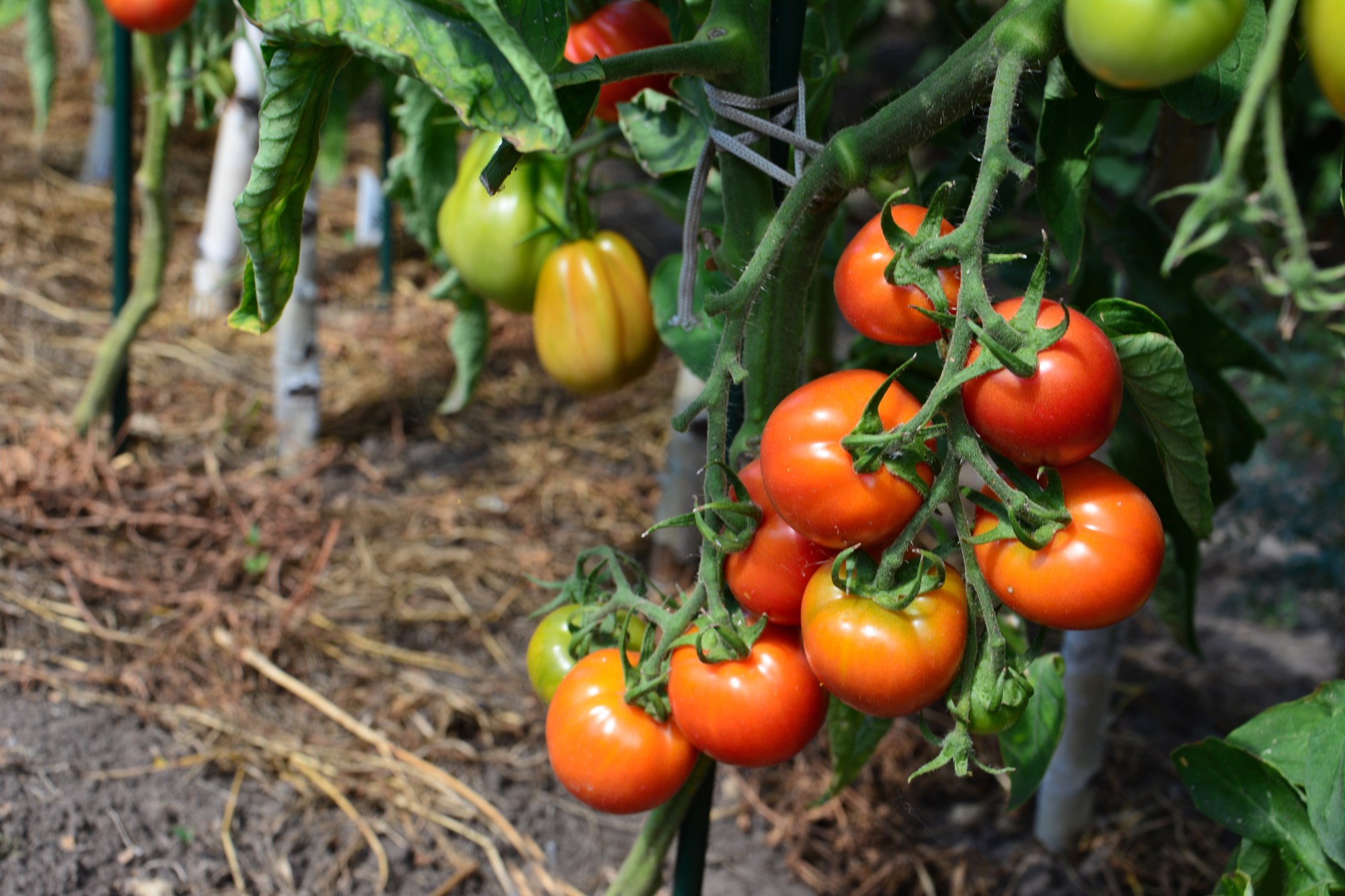
Planting new vegetables or herbs in the middle of summer is not a great idea — but it does not have to be a dead end. According to Daily Breeze, most store-bought starts come in small six-packs or tiny pots, which means their root systems are too small to handle intense summer heat right away.
The fix is simpler than you might think. Press Telegram reports that gardeners can pot those small starts into a 1-gallon container first, keep them in a sunny spot for a few weeks, and let them build stronger roots before moving them into the ground. With regular watering and mulch, harvests can stretch into late fall or even early winter.
Why Summer Heat Stops Vegetables in Their Tracks
Heat is the main enemy for most popular garden vegetables. OC Register notes that tomatoes, one of the most common summer crops, grow best when daytime temperatures stay between 65 and 85 degrees. Once temps climb above 95 degrees, tomatoes stop growing, stop flowering, and stop setting fruit entirely.
Small transplants face an even harder battle. A tiny root mass cannot pull enough water from the soil to keep a full-size plant alive in peak summer heat. That gap between root size and plant size is why so many summer starts wilt and die soon after planting, according to Daily News.
The 1-Gallon Container Trick That Changes Everything
Instead of putting small starts straight into the ground, move them into a 1-gallon pot first. Press Enterprise explains that keeping the plant in a container for several weeks lets roots grow bigger and stronger. A stronger root system means the plant can handle heat and dry spells much better once it finally goes in the ground.
Place the container in a spot that gets plenty of sun. Water it regularly so the soil stays moist but not soggy. After a few weeks, the plant should look fuller and healthier — a sign it is ready for the garden bed.
Mulch and Water Keep Summer Gardens Alive
Once plants are in the ground, two habits matter most: watering and mulching. Daily Breeze says that consistent watering is key during summer, since soil dries out fast in high heat. Skipping even a day or two can stress plants and stall their growth.
Mulch acts like a blanket over the soil. It slows down water loss and keeps roots cooler on hot days. A layer of mulch around each plant can make a real difference in how well it survives the summer and keeps producing into fall.
What to Expect From a Mid-Summer Garden
Gardeners who follow the container method and stay on top of watering can still enjoy a solid harvest. Press Telegram reports that vegetables and herbs started this way in summer can produce well into late fall or early winter, giving gardeners a longer growing window than they might expect.
The key is patience. Rushing a small start into hot soil is the fastest way to lose it. Giving it a few weeks to grow roots first costs almost nothing and can save the entire crop.
Sentiment
NeutralPublishers
5
Articles
4
Reach
5


