Medal Design Blunder
Sydney Marathon Organisers Dismiss Medal Design Error Featuring German Stadium
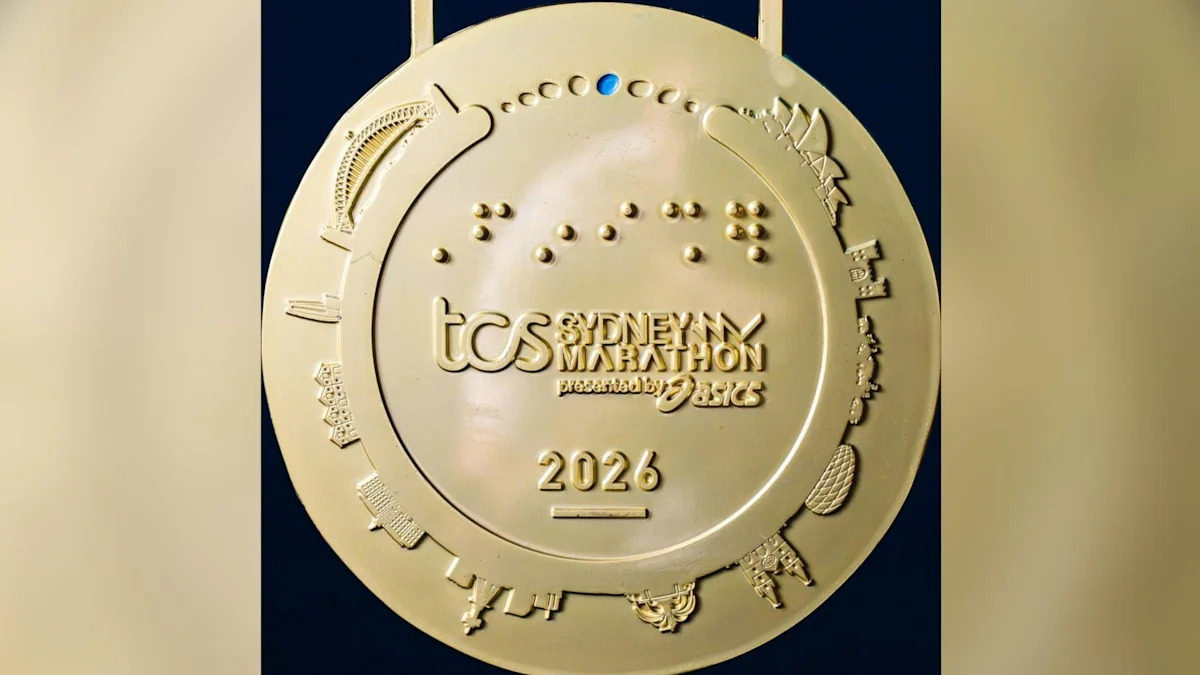
The Sydney Marathon has brushed off a blunder on its 2026 finishers medals, which accidentally featured a German football stadium instead of an Australian landmark. BBC reported that the medal's reverse side displayed Allianz Arena, a stadium in Munich, rather than Sydney's AllianZ Stadium. The organisers called it an "unfortunate error" but made light of the gaffe. Around 40,000 runners will receive the double-sided medals when the event takes place on August 30, following a lottery that drew over 120,000 entries.
The medal's obverse side features a gold and indigo design created by First Nations artist Ambrose Killian, celebrating Sydney's cultural heritage. Despite the mix-up, organisers have adopted a lighthearted stance, with their official social media quip suggesting they won't shy away from the mishap.
How a German Stadium Ended Up on Sydney Medals
The error emerged when organisers unveiled the medal design to the public through their official social media channels. BBC confirmed that designers mistakenly swapped Sydney's AllianZ Stadium for Munich's Allianz Arena—a confusingly similar name. Both stadiums share almost identical branding, making the slip an easy but embarrassing mix-up. The gaffe caught attention immediately as runners and media spotted the mismatch.
Stadium names matter in major sporting events, as medals become lasting souvenirs of participation. Runners typically keep their finishers medals as proof of their achievement. A German landmark on an Australian race medal is exactly the kind of detail that usually sparks outrage and demands for replacement medals. Instead, Sydney Marathon's response took a different route.
Organisers Laugh Off the Mishap Instead of Apologizing
Rather than panicking or offering to remake all 40,000 medals, the Sydney Marathon chose humor. A spokesperson described the incident as "unfortunate" but the tone from organisers suggested they're taking it in stride. Their social media message hinted at a cheeky acceptance: "We're not going to run from it." This playful response contrasts sharply with how many sports organisations typically handle such errors.
The decision to keep the medals as-is could actually make them unique collectibles. Runners might eventually treasure the quirky memento of a medal that accidentally celebrated two countries. The mix-up also generated free publicity for the 2026 event. By leaning into the mistake rather than hiding it, organisers may have turned a blunder into a memorable part of Sydney Marathon history.
A Major Event Still Drawing Massive Participation
The Sydney Marathon remains hugely popular despite the medal mishap. BBC noted that over 120,000 people entered the ballot to secure one of just 40,000 available spots. That's a roughly 3-to-1 ratio of hopeful runners competing for places. The August 30, 2026 event will be one of Australia's largest mass-participation sporting events.
The medal design also celebrates Indigenous Australian culture through artist Ambrose Killian's gold and indigo pattern on the obverse side. This reflects growing efforts by major sporting events to honour First Nations communities. The cultural element likely matters far more to participants than which European stadium accidentally appears on the reverse.
Sentiment
NeutralPublishers
4
Articles
2
Reach
4


