Moon Landing Milestones
July 20 in History: Neil Armstrong, Edwin Aldrin Walk on Moon Alongside Other Defining Events
Anonymous
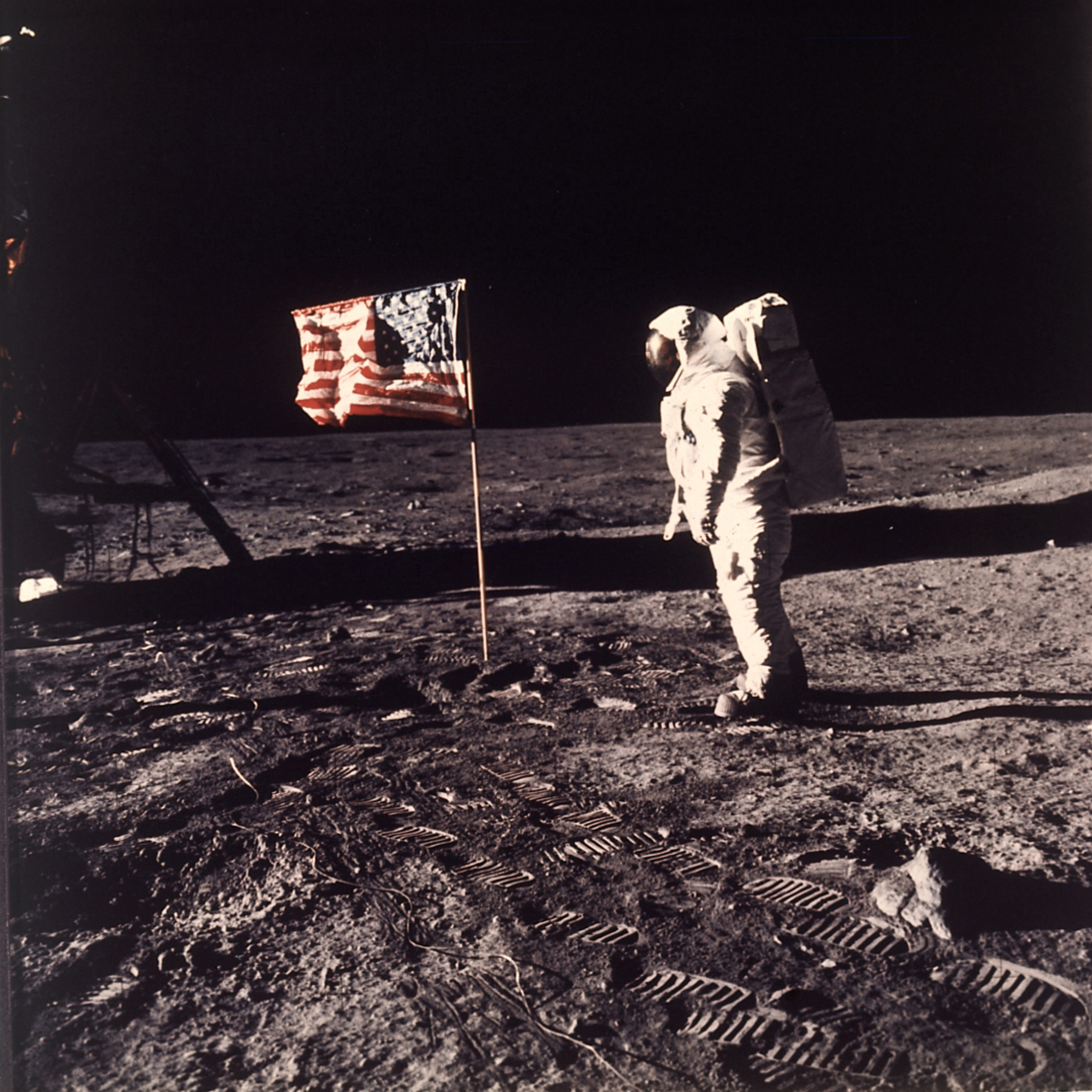
July 20 stands as one of the most important dates in human history. On this day in 1969, Neil Armstrong and Edwin "Buzz" Aldrin became the first people to walk on the moon, completing NASA's Apollo 11 mission and fulfilling a national goal set by President John F. Kennedy earlier that decade. WDRB reports that July 20 is the 201st day of 2026.
The date also carries the weight of wars, assassinations, disasters, and diplomatic breakthroughs. From a World War I draft lottery in 1917 to the restoration of U.S.-Cuba relations in 2015, July 20 has repeatedly shaped the course of history.
Armstrong and Aldrin Make History on the Moon
On July 20, 1969, the world held its breath. Astronauts Neil Armstrong and Edwin Aldrin landed on the lunar surface as part of the Apollo 11 mission. Armstrong became the first human to step onto the moon. Aldrin followed shortly after. Together, they spent over two hours walking on the moon's surface, according to Erie News Now.
The achievement came just eight years after President Kennedy challenged the nation to reach the moon. It marked the peak of the Space Race between the United States and the Soviet Union. Michael Collins, the third astronaut on the mission, orbited the moon in the command module while Armstrong and Aldrin walked below, as noted by Walla Walla Union-Bulletin.
WWI Draft Lottery and a Failed Plot to Kill Hitler
July 20 has also seen pivotal moments in wartime. In 1917, the World War I draft lottery began in the United States. Secretary of War Newton Baker pulled the first capsule from a bowl during a ceremony at the Senate office building. The number drawn was 258, according to WANDTV.
Twenty-seven years later, in 1944, a group of German military officials tried to kill Adolf Hitler with a bomb hidden in a briefcase. The plot failed. Hitler survived the blast. The assassination attempt, known as Operation Valkyrie, led to the execution of nearly 5,000 people suspected of involvement, as reported by Idaho Press.
Assassinations, Floods, and a Supreme Court Resignation
In 1951, Jordan's King Abdullah I was shot and killed in Jerusalem by a Palestinian gunman. In 1977, a deadly flash flood struck Johnstown, Pennsylvania. More than 80 people died. The flood caused $350 million in damage, according to Voice of Alexandria.
On this same date in 1990, Supreme Court Justice William J. Brennan announced his retirement after 34 years on the bench. Three years later, in 1993, White House deputy counsel Vincent Foster Jr. was found shot to death in a park near Washington, D.C. His death was ruled a suicide, as noted by KULR8.
Voting Rights Renewed and U.S.-Cuba Relations Restored
More recent July 20 milestones reflect big shifts in American law and foreign policy. In 2006, the U.S. Senate voted 98-0 to renew the 1965 Voting Rights Act. The near-unanimous vote showed strong bipartisan support for protecting voting access. In 2007, President George W. Bush signed an executive order banning cruel and inhuman treatment of terrorism suspects during detention and interrogation, according to News-Gazette.
On July 20, 2015, the United States and Cuba formally restored full diplomatic relations. The two countries had been estranged for more than 50 years. Embassies reopened in both Washington and Havana, marking a dramatic end to one of the Cold War's longest-running standoffs, as reported by HNG News.
Sentiment
NeutralNEGATIVENEUTRALPOSITIVE
Publishers
14
Articles
14
Reach
14
A
AnonymousAuthor


