Kero Gold Exploration Begins
FinEx Metals Commences Diamond Drilling at Kero Gold Project in Northern Finland to Test Gold Structures
Anonymous
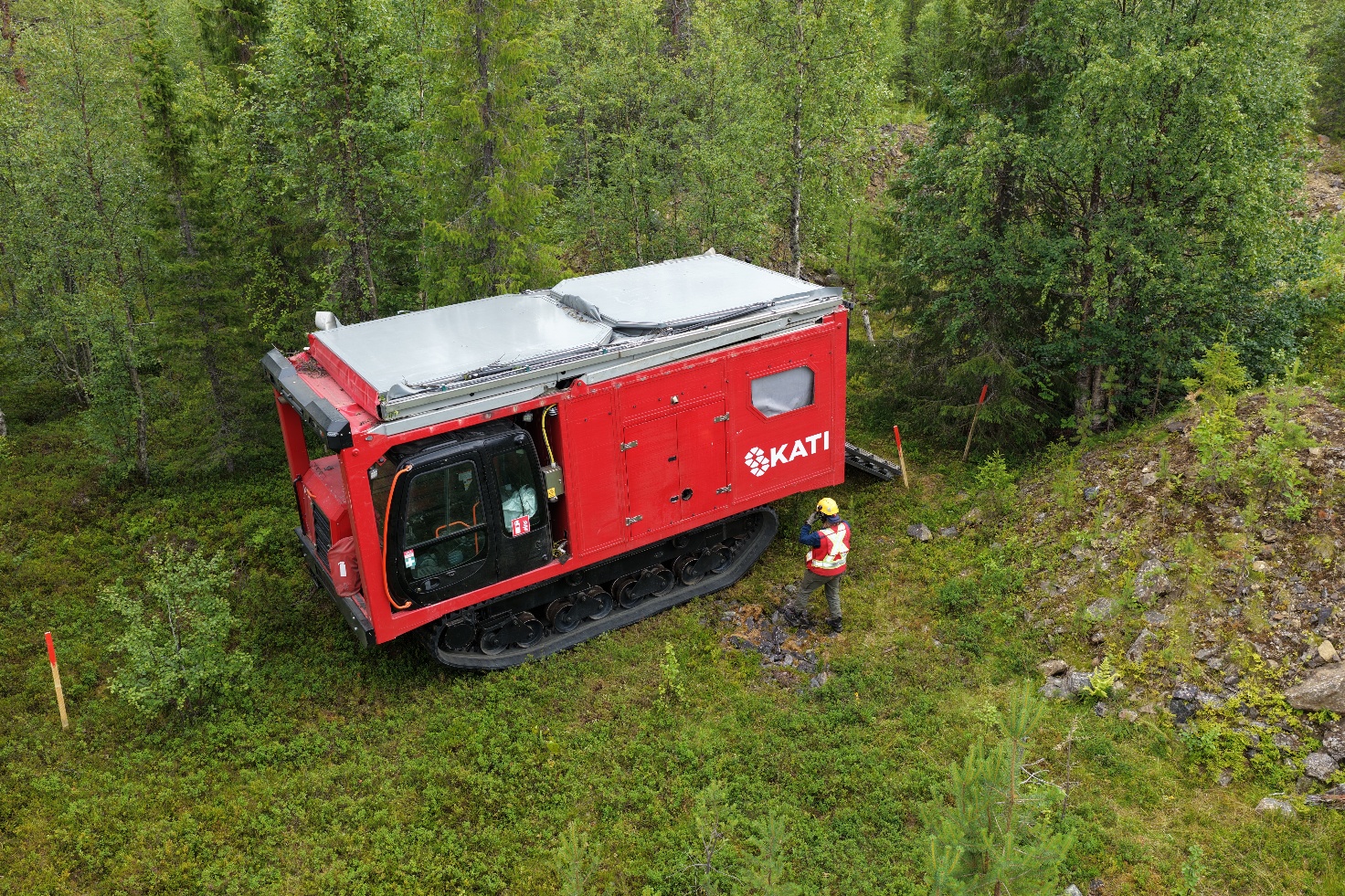
FinEx Metals Ltd. (TSX-V: FINX) has kicked off diamond drilling at its Kero Gold Project in northern Finland, targeting a stretch of ground just 15 km from one of Europe's largest gold mines. The company plans roughly 2,000 metres of diamond core drilling and about 600 soil samples across three priority areas, according to GlobeNewswire.
The Kero project is 100%-owned and royalty-free — meaning FinEx keeps a larger share of any future revenue. The company believes past explorers largely missed the gold because their drill holes ran in the wrong direction relative to the ore-bearing structures.
Drilling Next Door to a World-Class Gold Mine
Kero sits inside a major north-northwest-trending gold belt in Finnish Lapland. Agnico Eagle's Kittilä mine — one of Europe's biggest gold producers — lies about 15 km to the northwest. The Ikkari deposit, another significant discovery in the same belt, is also nearby. That neighbourhood matters. Big mines tend to have smaller deposits clustered around them, and explorers often use proximity as a sign of geological promise.
FinEx describes Kero as holding a "district scale position" in the belt. That phrase means the land package is large enough to potentially host multiple gold targets, not just one. The company controls the project outright, with no royalty payments owed to outside parties.
Old Drill Holes Pointed the Wrong Way
FinEx says it went back and studied all the historical drilling, geophysical surveys, and geochemical data at Kero. Its conclusion: most of the old drill holes ran nearly parallel to the main gold-bearing structures. That's a problem. When a drill hole runs alongside an ore zone instead of cutting through it, you can miss the gold entirely — or get only a thin, unrepresentative slice.
The new holes are designed to cut across those structures at a better angle. The goal is to test both the shape and the continuity of the gold zones tied to historical results. In simple terms: FinEx wants to find out how wide and how consistent the gold really is.
Two-Part Program: Core Drilling Plus Soil Sampling
The current program has two components. First, approximately 2,000 metres of diamond core drilling across three priority targets. Diamond core drilling pulls up a cylindrical rock sample that geologists can examine directly — it's the gold standard for understanding what's underground. Second, about 600 Top-of-Bedrock and Bottom-of-Till samples will be collected. These soil samples help map gold concentrations just above the bedrock surface.
Together, the two methods give FinEx both a deep look at the rock and a wide surface view of where gold is concentrated. Results from this program will guide any follow-up drilling the company decides to pursue.
What This Means for FinEx and Its Investors
FinEx Metals trades on the TSX Venture Exchange under the ticker FINX. For a small exploration company, getting a drill turning is a major milestone — it's the moment when geological theory meets hard data. The royalty-free structure of the Kero project means any discovery would not be diluted by payments to a third party.
Results from the drilling are not yet available. Investors and analysts will be watching closely to see whether the new drill angles confirm that historical results were underestimating the size of the gold zones. If they do, Kero's profile in one of Europe's most active gold districts could rise sharply.
Sentiment
NeutralNEGATIVENEUTRALPOSITIVE
Publishers
5
Articles
5
Reach
5
Topics
A
AnonymousAuthor


