TikTok's Pseudomedicine Revival
Medieval Health Practices Resurface on TikTok Amidst Growing Distrust in Modern Medicine
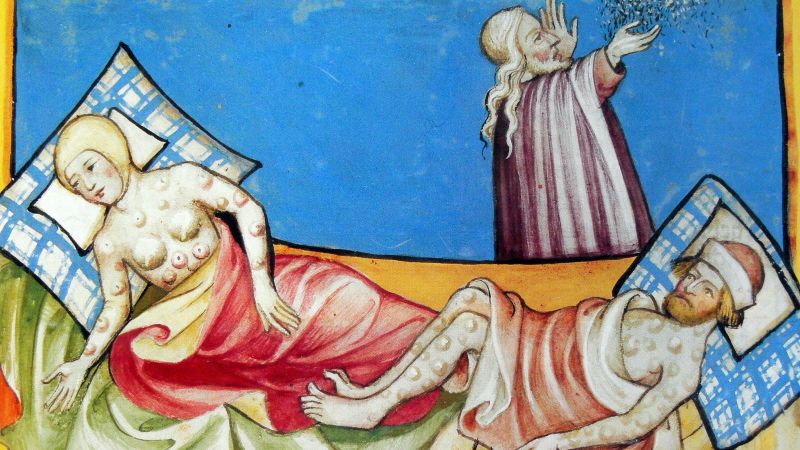
Remedies from the Middle Ages are going viral on TikTok. Bloodletting, herbal purges, and ancient detox rituals are being shared as real health advice — and millions of people are watching. CNN reports that this trend is part of a broader wave of distrust in modern medicine and official health institutions.
Experts warn that these practices are not just harmless nostalgia. Many of them were abandoned centuries ago because they did not work — and some can cause real harm. Yet on social media, they spread faster than any fact-check can stop them.
12th-Century Medicine Is Back on Your Feed
According to CNN Español, doctors at a medical school in Salerno, Italy, in the 12th century described a condition called plethora. It meant too much blood in the body. The cure was to drain it. That idea — bloodletting — is now resurfacing in wellness videos on TikTok and other platforms.
These videos often mix real-sounding language with ancient ideas. They look professional. They feel trustworthy. That is part of what makes them dangerous. Viewers may not know they are watching a remedy that medicine left behind 300 years ago.
Why People Are Turning Away From Modern Medicine
The rise of medieval health trends is not random. It follows years of growing distrust in doctors, governments, and pharmaceutical companies. The COVID-19 pandemic made this worse. Many people felt misled or ignored. That opened the door to alternative voices — including ones selling century-old cures.
TikTok's algorithm rewards content that gets reactions. Fear, hope, and outrage all work. A video promising a "natural" fix for a health problem will spread far and wide. A careful, science-based correction rarely goes as viral. That gap is where pseudomedicine thrives.
What the Science Says About These Old Remedies
Most medieval health practices were based on the theory of the four humors — blood, phlegm, yellow bile, and black bile. Doctors believed illness came from imbalance among them. Modern science has found no evidence this is true. Treatments built on this idea, like bloodletting, have been shown to harm patients, not help them.
Some herbal remedies from the past do have real effects — a small number have been studied and confirmed. But most have not. Taking an untested herb or following a purge diet found on social media can cause side effects, drug interactions, or worse. Doctors say people should always check with a health professional first.
Stopping the Spread of Health Misinformation Online
Platforms like TikTok have policies against dangerous health misinformation. But enforcement is slow and uneven. By the time a video is flagged or removed, it may have already reached millions of users. CNN notes that the problem is structural — the same features that make social media engaging also make it easy for bad health advice to spread.
Health experts say media literacy is one of the best tools people have. Asking simple questions helps: Who made this? What is their training? Is there evidence? Those questions will not stop every bad video. But they can slow down the spread — one viewer at a time.
Sentiment
NeutralPublishers
4
Articles
1
Reach
4


