Nepal-Tibet Glacier Collapse
Glacier and Bedrock Collapse Triggers Devastating Floods on the Nepal-Tibet Border
Anonymous
Trending on XNepal/Tibet glacial flood and mudslides
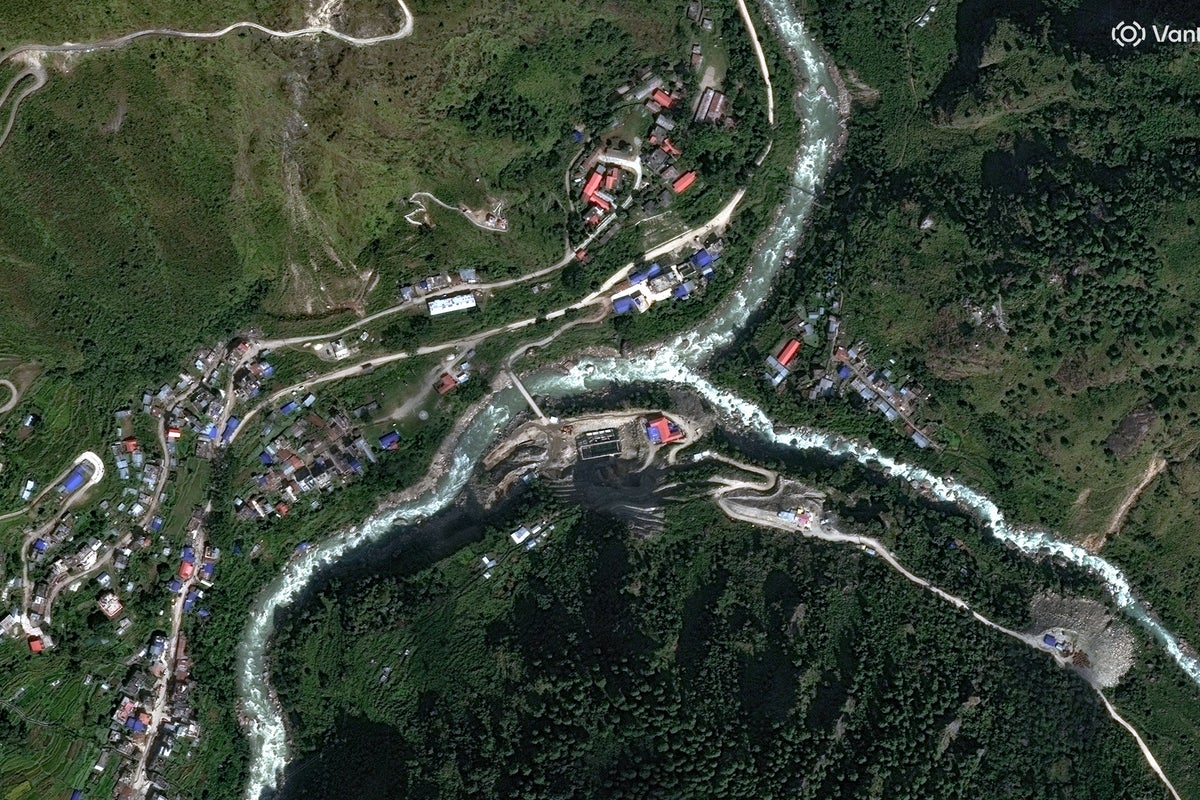
Satellite images reveal that a glacier and bedrock collapsed on the Nepal-Tibet border, triggering catastrophic flooding that killed and displaced hundreds of people. The Independent reported that geomorphologists from the University of Calgary and Université Grenoble Alpes discovered that part of the Langtang Lirung peak glacier broke off when the bedrock underneath gave way, sending massive chunks of ice and boulders racing down the steep valley.
The disaster unfolded Wednesday as ice melted within the debris flow, creating torrential floods that swept through the valleys below. MDJ Online noted that earth scientists are still searching satellite imagery to fully understand what triggered the collapse. The resulting devastation left behind a wasteland, and University of Colorado at Boulder mountain geographer Alton Byers warned the region will take many years to recover from the damage.
Bedrock Failure Unleashed Glacier Collapse
The disaster began when bedrock beneath the Langtang Lirung glacier failed catastrophically. The Independent reported that geomorphologists discovered the underlying rock structure gave way, destabilizing the entire glacier above it. This structural failure sent an enormous chunk of ice cascading down the mountainside at high speed, along with rocks and boulders torn loose from the peak.
The initial collapse was just the beginning. As the ice and debris raced downward through the steep valley, melting ice mixed with the rubble to create an even more powerful flood. Scientists are still analyzing why the bedrock failed at this particular moment, studying whether warming temperatures, water pressure, or geological stress played a role.
Hundreds Dead and Missing Along the Border
The flooding Wednesday killed and displaced hundreds of people across Nepal and Tibet. MDJ Online reported that earth scientists mobilized to search satellite imagery immediately after the disaster struck. The exact death toll remains difficult to confirm due to the remote location and the scale of destruction across two countries' border regions.
Survivors faced a landscape of total devastation. The flood tore through valleys with tremendous force, destroying villages, infrastructure, and everything in its path. The remote Himalayan terrain made rescue and recovery efforts extremely challenging for both Nepali and Chinese authorities.
Years of Recovery Ahead for Mountain Communities
The environmental and human damage will persist for years. Alton Byers, a mountain geographer at the University of Colorado at Boulder, said the region faces a long recovery. The flooding created a wasteland of debris, eroded soil, and destroyed vegetation that will take considerable time to restore naturally.
Beyond the immediate loss of life, the disaster threatens the region's water systems, agriculture, and infrastructure. Communities that depended on glacial water sources now face uncertainty about water availability. Scientists warn that similar collapses remain possible in the high Himalayas, where climate change is accelerating glacier retreat and destabilizing mountain terrain.
Sentiment
NeutralNEGATIVENEUTRALPOSITIVE
Publishers
5
Articles
5
Reach
5
A
AnonymousAuthor


