Ataques híbridos en Europa
Los ataques híbridos de Rusia se convierten en la nueva normalidad europea
Anonymous
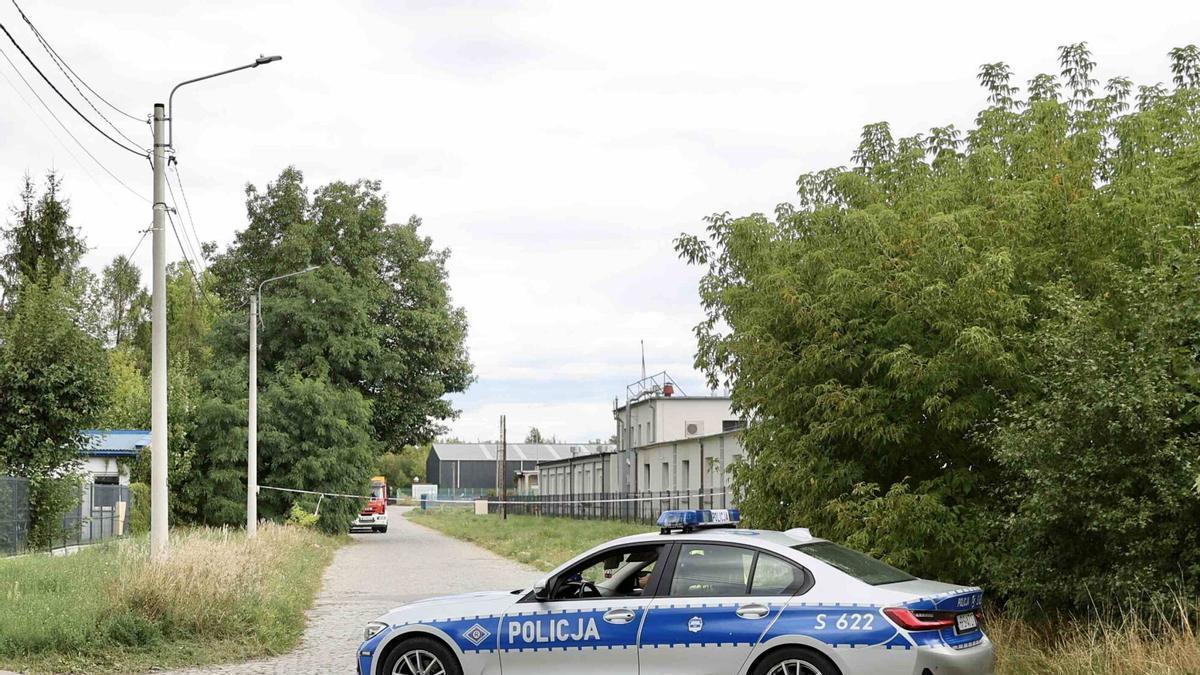
Russia is ramping up hybrid attacks across Europe—sabotage, disinformation, and infrastructure strikes—and security experts say this disruption is now becoming the baseline threat. Diario de Córdoba reports that analysts believe the Kremlin aims to spread war anxiety during crucial upcoming elections in Europe's largest EU nations, where pro-Moscow parties are gaining ground.
A Shift From Isolated Incidents to Constant Pressure
Hybrid attacks—combining cyber strikes, propaganda, and physical sabotage—are no longer rare emergencies. El Periódico Mediterráneo notes that European security officials now treat these operations as the new normal. Russia is not launching isolated attacks. Instead, the Kremlin maintains continuous pressure designed to wear down public confidence and destabilize democratic processes.
Election Timing Aligns With Kremlin's War-Anxiety Strategy
Major EU nations face critical elections soon. El Día reports that experts believe Moscow is deliberately amplifying conflict fears to influence these votes. Pro-Russia parties—which typically benefit from chaos and anti-establishment sentiment—are positioned to gain votes when voters feel insecure. The timing is no coincidence.
Sabotage Targets Europe's Critical Infrastructure
Russian operations now target undersea cables, power grids, and telecommunications networks. El Correo Web explains that damage to these systems creates real disruption—not just fear. Broken cables cut internet service. Damaged power lines black out cities. These physical blows make the threat visceral, forcing Europeans to see instability as everyday reality.
Disinformation Amplifies Economic and Social Fractures
Alongside physical attacks, Russia floods social media with false narratives about economic collapse, immigration crises, and NATO failures. El Periódico reports that fake news spreads faster than corrections. When infrastructure fails at the same moment false reports spike, citizens struggle to distinguish real threats from propaganda. This confusion erodes trust in governments and institutions.
Sentiment
NeutralNEGATIVENEUTRALPOSITIVE
Publishers
12
Articles
0
Reach
12
Topics
A
AnonymousAuthor


