Illegal AI Server Exports
Taiwan Indicts Nine Over Illegal AI Server Exports to China
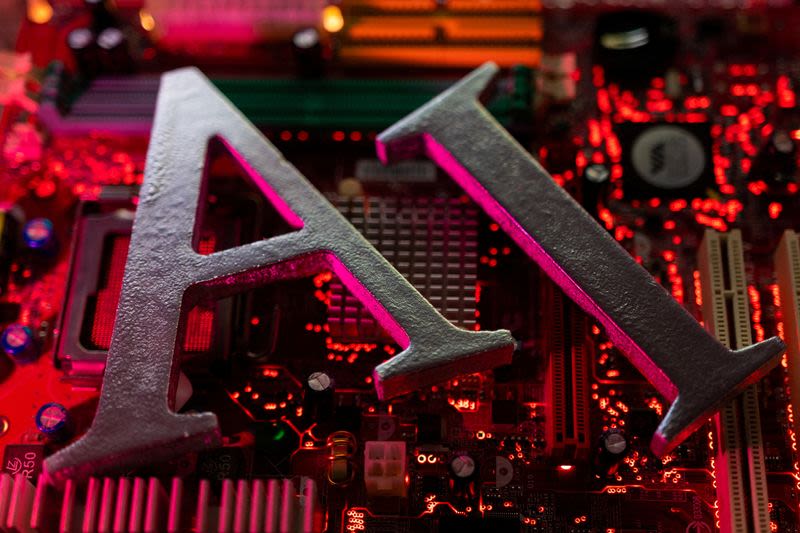
Taiwan's prosecutors indicted nine people on August 24 for allegedly smuggling advanced AI servers to China, in a major enforcement action against illegal tech exports. The indictment includes employees from Nvidia and Super Micro, two of the world's largest computer chip and server makers, according to Reuters.
The case highlights growing tension over semiconductor technology flowing to China despite US and Taiwan restrictions. Taiwan sits at the center of global chip supply chains, making it a critical chokepoint for controlling advanced computing technology.
Nine Suspects Including Tech Company Workers Arrested
Prosecutors in Keelung city, in northern Taiwan, said the nine indicted individuals included employees working at Nvidia and Super Micro Computer. Reuters reported the case involves alleged illegal export of AI servers — powerful computers used to train artificial intelligence systems.
No other details about the specific servers, their value, or destinations were disclosed in initial reports. The indictment marks Taiwan's latest crackdown on unauthorized technology transfers to mainland China.
US Restrictions Drive Enforcement Pressure on Taiwan
The United States has imposed strict controls on shipping advanced semiconductor equipment to China for years. Washington fears China could use cutting-edge AI chips for military applications, surveillance, and weapons development.
Taiwan, as the world's leading producer of advanced computer chips, faces intense pressure from both the US and China. Authorities must balance economic interests with national security and international trade rules.
AI Server Exports Target Likely Beijing's Tech Goals
Powerful AI servers like those allegedly smuggled are critical for training large language models and neural networks. China seeks these systems to develop domestic AI capabilities and reduce dependence on foreign technology.
The indictment suggests middlemen or company insiders may have facilitated the sales, a common pattern in tech smuggling cases. Such operations typically exploit insider knowledge to bypass export controls and customs checks.
Nvidia and Super Micro Face Serious Compliance Questions
Both companies have faced scrutiny over sales to restricted countries in the past. The involvement of their employees in this case raises questions about internal compliance procedures and oversight mechanisms.
No statement from either company was immediately available. Industry observers expect both firms to conduct internal investigations and potentially strengthen export compliance training.
Sentiment
NeutralPublishers
4
Articles
4
Reach
4


