Crisis Migratoria en Canarias
Canarias conmemora dos décadas de la ruta migratoria más mortífera del mundo
Anonymous
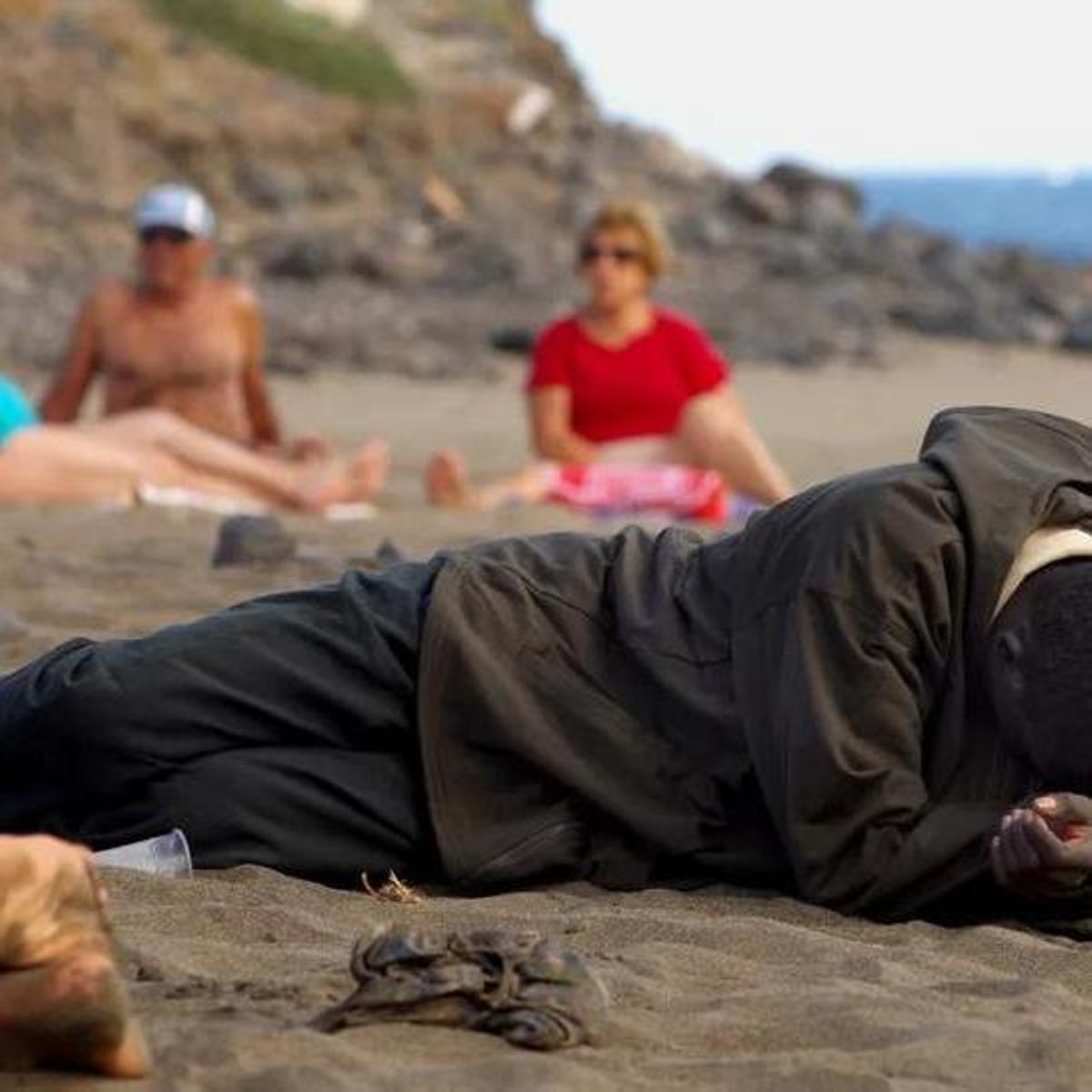
The Canary Islands route has become the deadliest migration path in the world over the past two decades. La Opinión Coruña reports that boat arrivals starting in 2006 put the Atlantic route at the center of Europe's migration crisis and established a management strategy based on outsourcing responsibility to other nations.
What began as a secondary migration corridor has transformed into Europe's most dangerous crossing. The shift reflects how wealthy nations have responded to migration pressures—not by creating safe legal pathways, but by pushing migrants toward longer, riskier sea voyages.
2006: When the Atlantic Route Exploded
The boat arrivals that began in 2006 changed everything. El Periódico explains that these vessels marked a turning point—the Atlantic route moved from a minor crossing to Europe's primary gateway for migrants fleeing poverty and conflict in Africa.
This timing was no accident. European nations had already sealed off safer, shorter routes through the Mediterranean. Migrants had to choose: stay home or risk the longer journey across open ocean.
Europe's Strategy: Outsource the Problem
Rather than create legal migration pathways, European governments chose externalization. Diario de Ibiza reports that this management model pushed responsibility outward, leaving migrants with few safe options.
Outsourcing meant funding border controls in transit countries instead of processing asylum claims at home. It meant leaving rescue operations to underfunded charities and fishing boats. It meant the Canaries became ground zero for a policy that doesn't work.
The Death Toll Keeps Rising
Two decades of this approach have created a humanitarian disaster. La Opinión de Málaga notes the Atlantic crossing kills more migrants than any other route on Earth—drowning victims, engine failures, and sinking boats are routine news.
Families still board these boats. Children still die. The deaths keep coming because the underlying strategy never changed: make other routes impossible, then act shocked when people take the deadliest option left.
Why Canaries Became Migration's Deadliest Crossing
The Canary Islands sit 100 kilometers off Africa's coast. Información explains they became a funnel point—migrants concentrated on this route because Europe sealed all others. The ocean separating islands from Europe became a killing field.
This was predictable. Policymakers knew migrants wouldn't disappear. They just redirected them toward longer voyages in worse conditions. The Atlantic route's death toll is Europe's policy made visible in body counts.
Sentiment
NeutralNEGATIVENEUTRALPOSITIVE
Publishers
12
Articles
0
Reach
12
A
AnonymousAuthor


