Gibraltar's Border Transformation
Gibraltar Border Closure Ends, Ushering in New Era with Hope and Practical Concerns
Anonymous
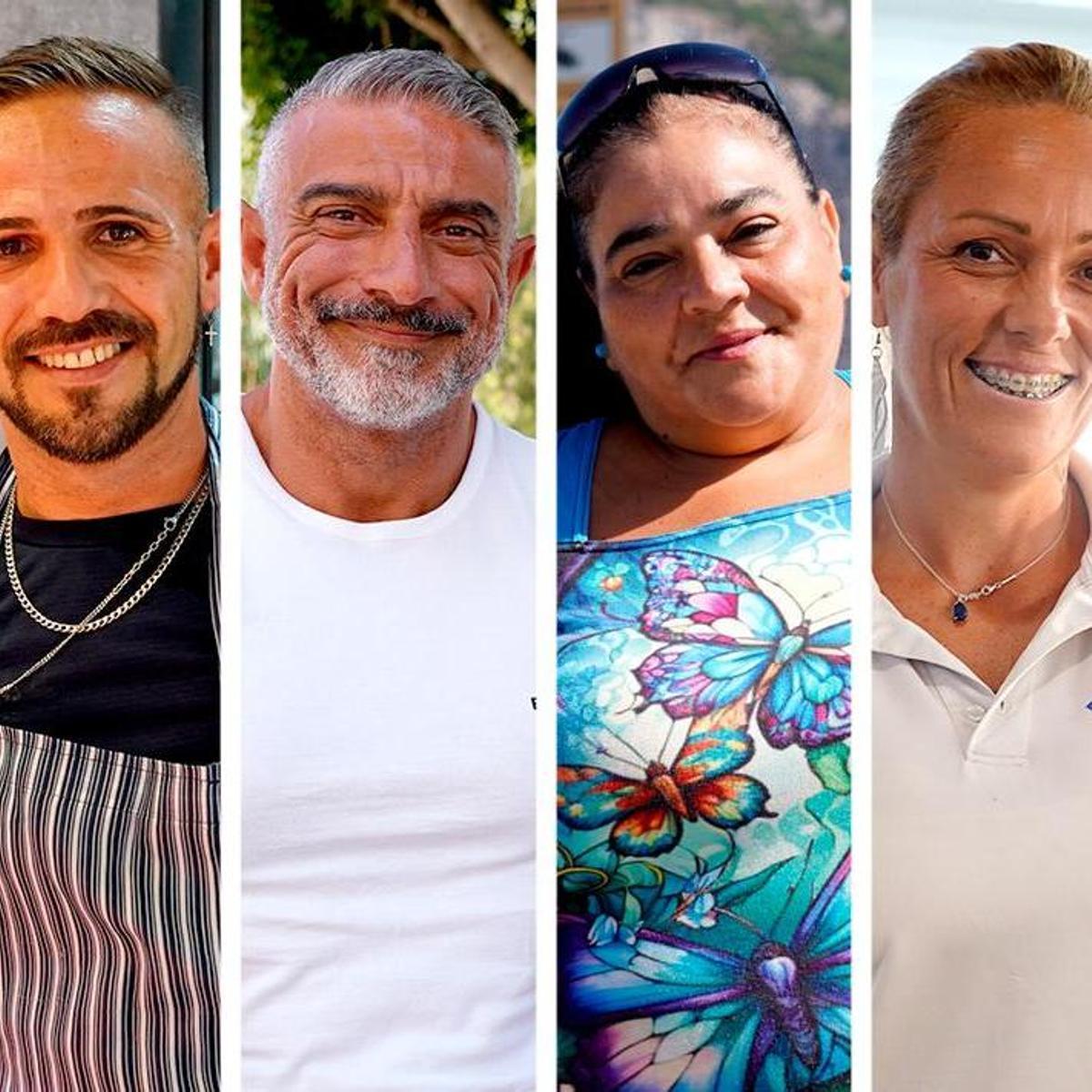
A new era is opening between La Línea de la Concepción and Gibraltar, as a long-awaited agreement moves toward ending the hard border known as "la Verja" — the fence that has divided families, workers, and communities for decades. La Provincia reports that pensioners, shopkeepers, health workers, and union leaders are welcoming the deal with a mix of hope and caution, warning that "the most important loose ends are only just beginning."
The deal promises freer movement across the frontier, but those who live and work on both sides say the real test will be in the details. Key questions remain unanswered about how the agreement will work in practice.
Decades of Delays at the Border Finally Set to End
The Verja between Spain and Gibraltar has shaped daily life for generations. Thousands of Spanish workers cross into Gibraltar every day to work — many in tourism, construction, and healthcare. Long queues and strict checks at the border post have cost workers hours of their lives each week. La Opinión de Murcia notes that residents on both sides have waited decades for a political solution to this daily frustration.
Gibraltar, a British territory on the southern tip of Spain, has around 34,000 residents. It employs roughly 15,000 cross-border workers from the Campo de Gibraltar area. The new agreement would bring Gibraltar into the Schengen travel zone, allowing people to move freely without passport checks — a change that would transform everyday life almost overnight.
Workers and Pensioners React With Hope but Stay Cautious
For Spanish workers who commute daily into Gibraltar, the mood is guardedly optimistic. Union leaders say the agreement is a historic step, but stress that the fine print will determine whether it delivers real change. "The most important loose ends are only just beginning," one union representative told LNE. Workers want clear answers on labor rights, social security, and cross-border benefits before they celebrate.
Pensioners who spent careers working in Gibraltar also have unresolved concerns. Some receive pensions split between the Spanish and British systems. They want to know how the new arrangement will affect their payments and healthcare access. El Correo Gallego reports that retired workers are watching closely to see if negotiators address their specific situations in the final text.
Shopkeepers and Health Workers See Opportunity and Risk
Traders on the La Línea side hope that easier movement will bring more shoppers across the border. A smoother crossing could boost foot traffic and revive a local economy that has long felt squeezed between the Rock and the rest of Spain. Levante notes that some businesses see the deal as a chance to compete on more equal terms with Gibraltar's duty-free shops for the first time.
Health workers face a different set of questions. Spanish nurses and doctors who work in Gibraltar want clarity on whether their qualifications will be fully recognized and whether they will access the same benefits as local staff. El Periódico de Aragón reports that healthcare unions are pushing for binding commitments — not just promises — before the agreement takes full effect.
Gibraltar Residents Eye Change With Pride and Wariness
For "llanitos" — the nickname for Gibraltar's own people — the deal carries a deep emotional weight. Many feel proud of their unique identity, which blends British and Andalusian culture. They want integration with Spain's Schengen area, but not at the cost of their distinct status. La Opinión de Zamora reports that locals insist Gibraltar must remain British, even as its borders open up.
The practical timeline is still unclear. Negotiators on both the Spanish and British sides have signaled that final details could take months more to settle. La Opinión de A Coruña reports that all sides agree the framework is in place — but turning that framework into real, lived change for the 50,000 people who depend on this border every day is the task that now begins.
Sentiment
NeutralNEGATIVENEUTRALPOSITIVE
Publishers
10
Articles
0
Reach
10
A
AnonymousAuthor


