Breakthrough in Bypass Surgery
Bioengineered Blood Vessel Sustains Bypass Patency for 18 Months Without Blood Thinners
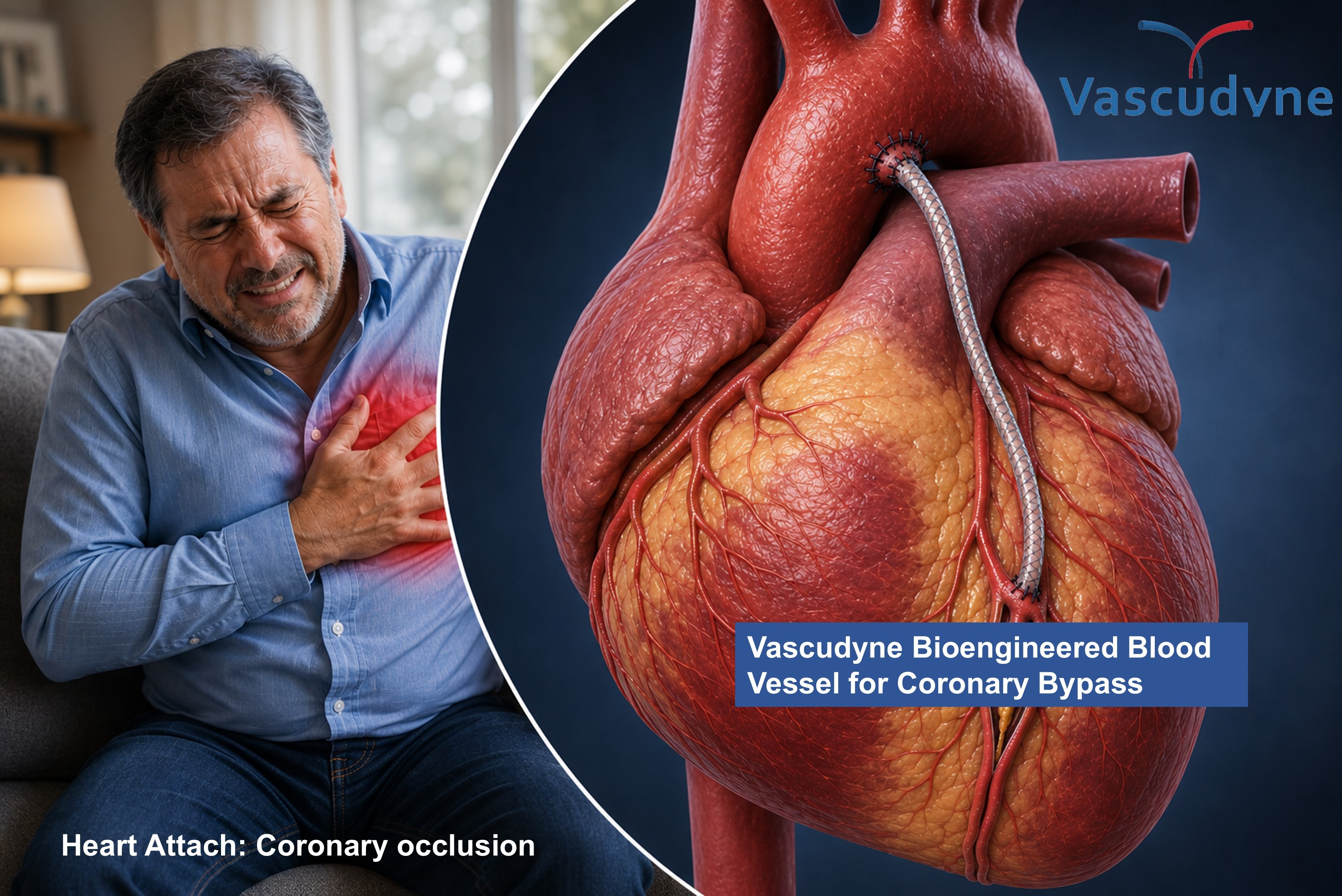
Vascudyne, Inc. has published results for an off-the-shelf bioengineered blood vessel designed for heart bypass surgery that has never been commercially available before Daily Guardian. The 4-millimeter acellular tissue-engineered vessel remained fully open for 550 days—18 months—and patients stopped taking blood-thinning medications after six months without any clots forming Montreal Gazette. This breakthrough could free hundreds of thousands of heart patients yearly from surgery to harvest vessels from their own bodies.
Unlike synthetic grafts, the bioengineered vessel is standardized and quality-controlled Whitecourt Star. It works the same for a healthy 55-year-old and a diabetic 78-year-old with prior surgery and peripheral disease. The company's acellular tissue is stabilized by a laser-cut nitinol external support. The technology has already advanced to first-in-human trials for coronary bypass Hanna Herald.
How Current Bypass Surgery Works Today
Today, coronary artery bypass grafting (CABG) requires surgeons to harvest healthy blood vessels from patients' legs, arms, or chests Paris Star Online. This means two surgical wounds instead of one. Patients with prior surgery or poor vessel quality face limited options. A manufactured, off-the-shelf vessel would eliminate harvesting and let surgeons use identical conduits every time Stratford Beacon Herald.
The Vessel Stayed Open Without Blood Thinners
Vascudyne's bioengineered vessel achieved 100% patency—meaning it stayed completely open—at six months County Market. The vessel remained patent through day 550 with all anticoagulation stopped at day 180 Pembroke Observer. Blood thinners like warfarin carry risks of bleeding and require constant monitoring. Patients in this trial never needed them resumed after the first half-year.
Acellular Design Reduces Immune Rejection Risk
The vessel is acellular—meaning it contains no living cells that could trigger the body's immune system Chatham Daily News. This design reduces the rejection risk that plagues traditional organ transplants. The nitinol wire cage provides mechanical support without triggering inflammation. The approach combines tissue engineering with smart biomaterial design Calgary Sun.
First-in-Human Trials Already Underway
Vascudyne has moved beyond animal studies and published their results in Nature Communications GlobeNewswire. The company is now conducting first-in-human coronary bypass trials Yahoo Finance. Success in these early patient studies could lead to regulatory approval within a few years. If approved, the bioengineered vessel could reshape how heart surgeons approach bypass surgery worldwide.
Sentiment
NeutralPublishers
12
Articles
11
Reach
12


