Government Proposes Funding Reforms
Hacienda Proposes Financing Model Reforms, Boosting Regional Tax Capacity for All Communities
Anonymous
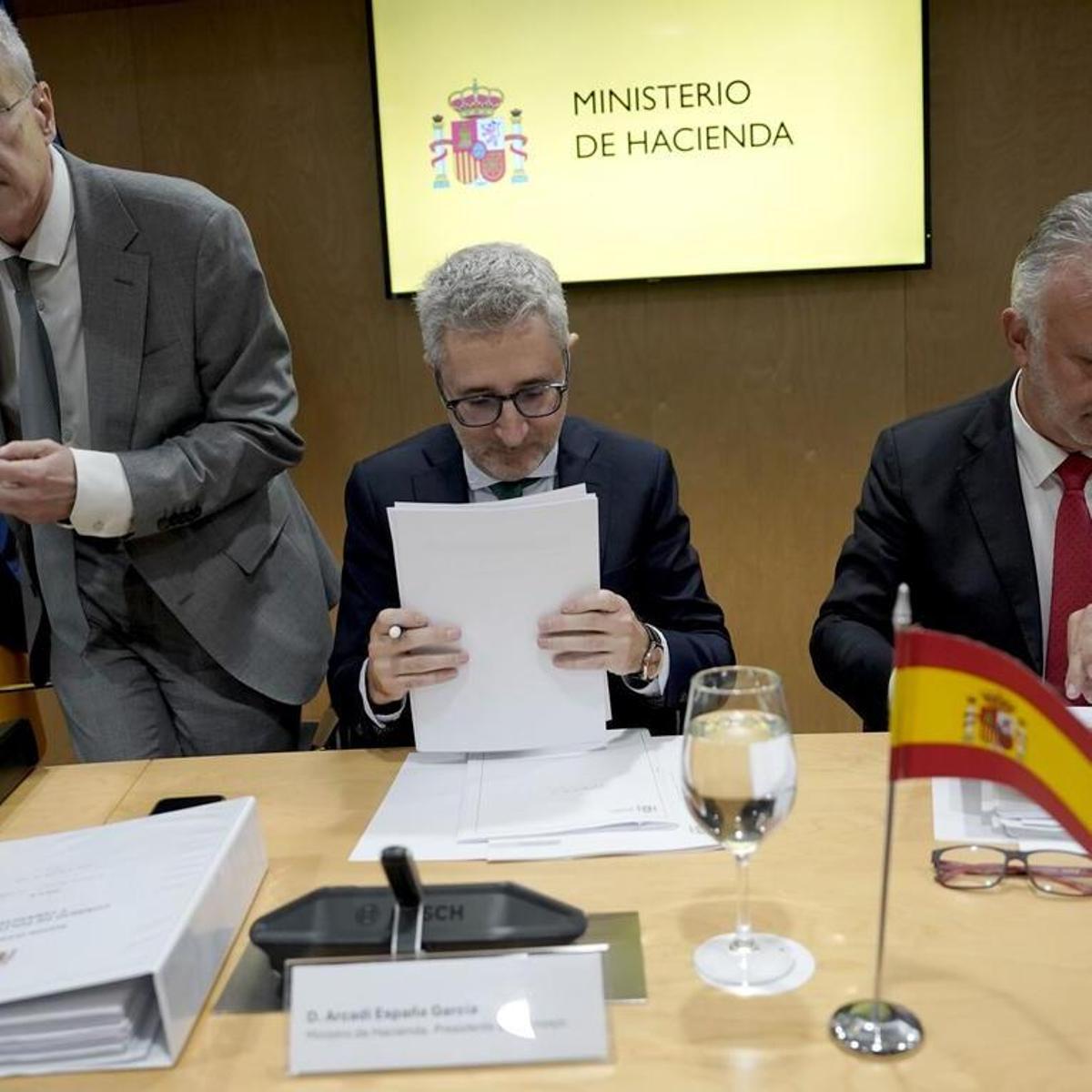
Spain's Ministry of Finance has sent a draft proposal for a new regional financing model to all autonomous communities, reiterating its openness to making changes based on their feedback, according to La Provincia and more than a dozen regional outlets. The proposal aims to increase the tax capacity of every region in Spain.
The move marks a key step in Spain's long-delayed effort to reform how money flows from the central government to its 17 regions. The current model has been in place for over a decade and is widely seen as outdated.
Government Sends Draft and Signals Room for Negotiation
The Finance Ministry shared the draft document directly with regional governments. After doing so, it stressed that the text is not final. La Opinión de Murcia reported that Hacienda made clear it is willing to include changes before any agreement is reached. This signals an unusually open negotiating stance from Madrid.
The draft is the first formal written proposal the central government has put forward in this reform process. Sending it to all communities at once is meant to give every region an equal starting point for talks, according to El Correo Gallego.
More Tax Power for Every Region Under the New Plan
The core of the proposal is a boost in what each community can raise on its own. Under the draft, all regions would gain greater tax capacity — meaning they could collect and keep more of the taxes generated in their territory. This is one of the most politically sensitive points in any financing reform.
Richer regions like Madrid and Catalonia tend to push for keeping more of what they raise locally. Poorer regions want stronger redistribution. The proposal tries to satisfy both sides by raising overall capacity without cutting transfers to less wealthy communities, El Periódico de Aragón reported.
A Reform Years in the Making With Deep Political Stakes
Spain's regional financing system has not been updated since 2009. Negotiations have stalled repeatedly due to political disagreements between the central government and regional presidents, many from rival parties. The current system leaves several communities feeling underfunded, according to Diario Córdoba.
The timing is delicate. Prime Minister Pedro Sánchez depends on support from Catalan and other regional parties in parliament. Any deal on financing could have direct consequences for his governing coalition, El Periódico de Extremadura noted.
What Comes Next in the Negotiation Process
Regional governments now have time to study the draft and send back their positions. The Finance Ministry has not set a firm deadline for reaching a final agreement. La Opinión de A Coruña reported that officials expect discussions to continue over the coming months.
For the reform to pass, it needs broad consensus among regions — and likely a majority in parliament. With so many competing interests, analysts say a final deal remains far from certain, even with the government's stated willingness to negotiate, according to LNE.
Sentiment
NeutralNEGATIVENEUTRALPOSITIVE
Publishers
13
Articles
0
Reach
13
A
AnonymousAuthor


