Paying for Public Transit
L.A. County Pilot Program Pays Residents $600 to Park Cars, Boosting Public Transit Use
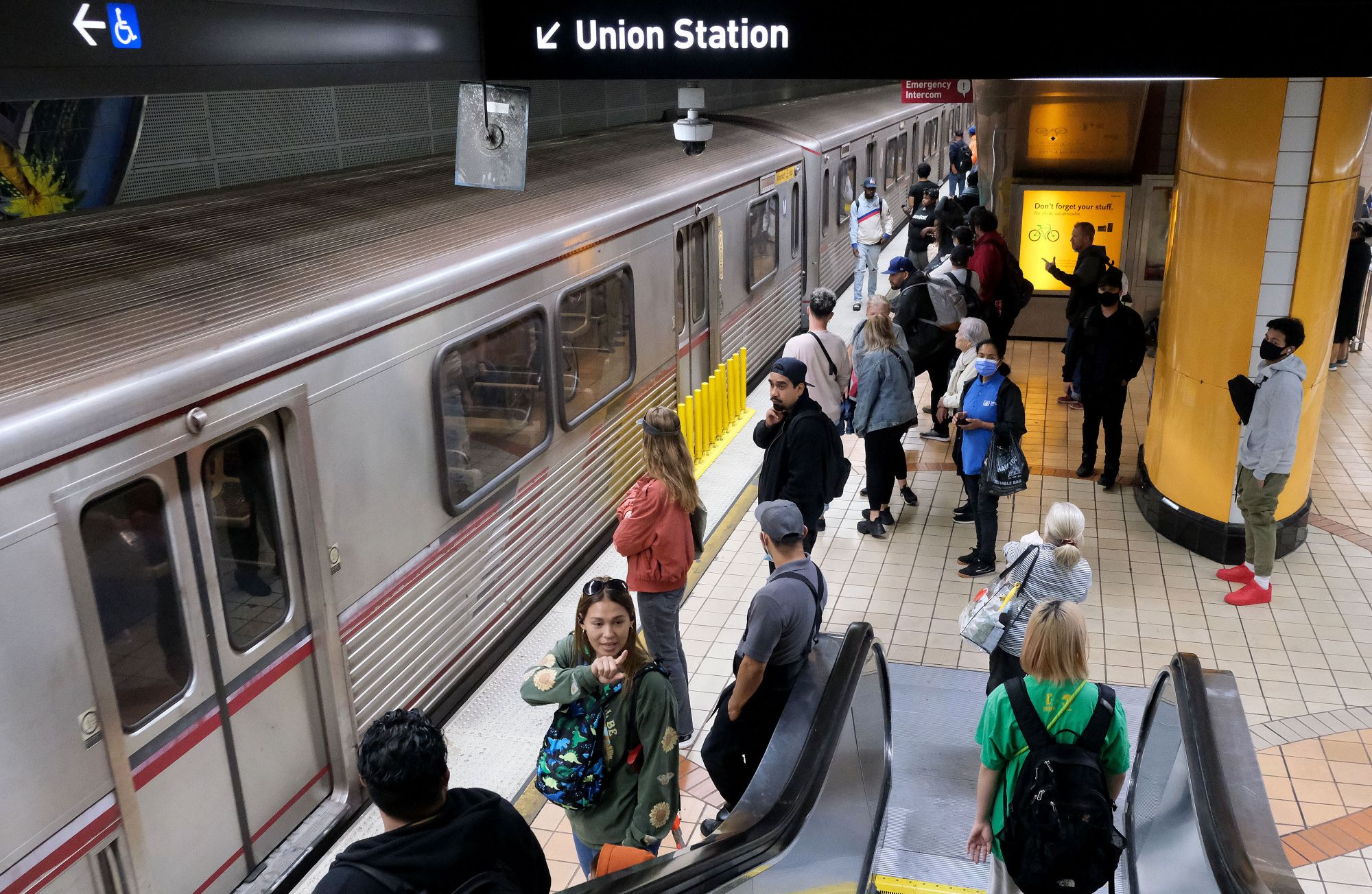
Los Angeles Metro has launched a pilot program that pays 2,000 L.A. County residents $600 each to park their cars and try public transit instead, according to Press Telegram. The program uses a smartphone app called GoCarma to track how people get around.
The move comes as California's transportation planners face growing questions about whether public money is being well spent — from the troubled high-speed rail project to Metro's own struggles, Daily News reported.
Metro Pays Residents to Ditch Their Cars
To join the pilot, residents must live in L.A. County and have at least two vehicles in their household. They also must be willing to take odometer photos to verify their mileage, according to Daily Breeze. The $600 payment is meant to reward people who reduce how much they drive.
The results so far show promise. Participants increased their walking, biking, and public transit use by 16.6%, OC Register reported. That is a meaningful jump, though critics note it only covers a small slice of L.A. County's millions of commuters.
GoCarma App Tracks Trips and Charges Drivers
GoCarma is not just a rewards app. The company sells tools for charging tolls, enforcing congestion pricing, and restricting when and where people can drive. It does this through a complicated system of credits and charges, according to Press Enterprise.
The company also claims it can spot HOV lane violations — that means people illegally driving in carpool lanes — without needing roadside traffic officers. GoCarma says cameras and the app can do the job instead, Daily News reported.
High-Speed Rail Looms Over Transit Debate
Metro's GoCarma pilot is unfolding against a bigger question: can California run public transit at all? The state's high-speed rail project has become a symbol of cost overruns and delays. Supporters say programs like this pilot prove transit can work. Critics are not so sure, OC Register reported.
The core tension is simple. California keeps spending big on transportation fixes. But many riders still face unreliable buses and trains. Paying people $600 to try transit may boost short-term numbers, but it does not fix the underlying system, according to Daily Breeze.
What Comes Next for the 2,000 Pilot Participants
Metro has not said what happens after the pilot ends. Will participants go back to driving? Will the $600 incentive be enough to build new habits? Those questions remain open, Press Telegram noted. The program is small by design — a test before any wider rollout.
If the 16.6% increase in alternative travel holds up over time, Metro may have a case for expanding the program. But scaling it to millions of residents would cost far more than the current pilot's budget, Press Enterprise reported.
Sentiment
NeutralPublishers
5
Articles
4
Reach
5


