High School Football Safety
Wisconsin High School Football Safety Examined Through Recent Neurological Damage Statistics
Anonymous
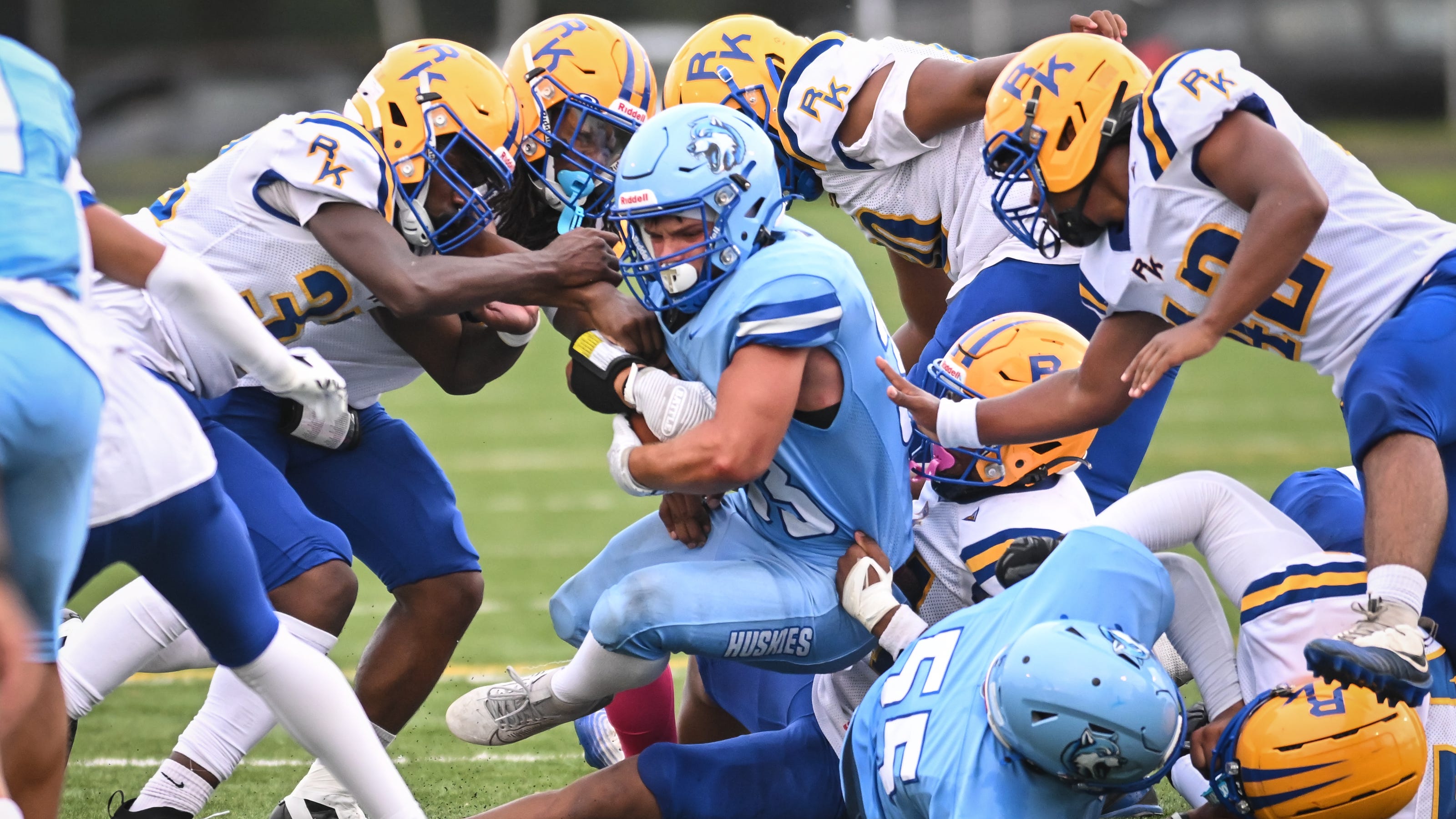
High school football in Wisconsin carries real dangers that extend far beyond the field. The death of 17-year-old Adam Massman has renewed concern about Post-Crescent and Stevens Point Journal reports on catastrophic injuries in the sport. Research shows that players face risks of immediate trauma and long-term neurological damage from repeated head impacts.
Wisconsin's deep passion for football—from high school through college—means thousands of young athletes are exposed to these dangers each season jsonline.com. The statistics paint a sobering picture that parents and coaches need to understand.
A Tragedy That Changed the Conversation
Adam Massman's death sparked urgent questions about high school football safety across Wisconsin. Post-Crescent, Stevens Point Journal, and HTR News all reported on how his loss has forced communities to confront uncomfortable truths about the sport's risks. His case is not an isolated incident but part of a pattern documented by researchers studying catastrophic injuries in youth athletics.
What Research Shows About Head Injuries
The National Center for Catastrophic Sports Injury Research tracks deaths and severe injuries in high school sports Post-Crescent. High school football players face repeated impacts to the head that can cause concussions and cumulative brain damage. Yahoo Sports notes that while football is popular and fun, these physical realities demand serious attention from athletes, parents, and school officials.
Long-Term Neurological Risks Beyond the Playing Season
jsonline.com reports that dangers extend far beyond immediate injuries. Repeated head impacts accumulate over a player's career. Research increasingly shows links between football-related head trauma and chronic conditions later in life. These long-term risks affect not just physical health but cognitive function and mental wellbeing.
Why Wisconsin's Football Culture Makes This Urgent
Wisconsin's strong tradition of high school and college football means more young athletes are at risk than in many states jsonline.com. The frequency and intensity of games create more opportunities for head trauma. Understanding these statistics is essential for parents deciding whether their child should play, and for schools designing safety protocols to protect vulnerable athletes.
Sentiment
NeutralNEGATIVENEUTRALPOSITIVE
Publishers
5
Articles
4
Reach
5
Topics
A
AnonymousAuthor


