Collagen for Women Over 40
Alaya Naturals Multi Collagen Peptides Named Best for Women Over 40 Wellness
Anonymous
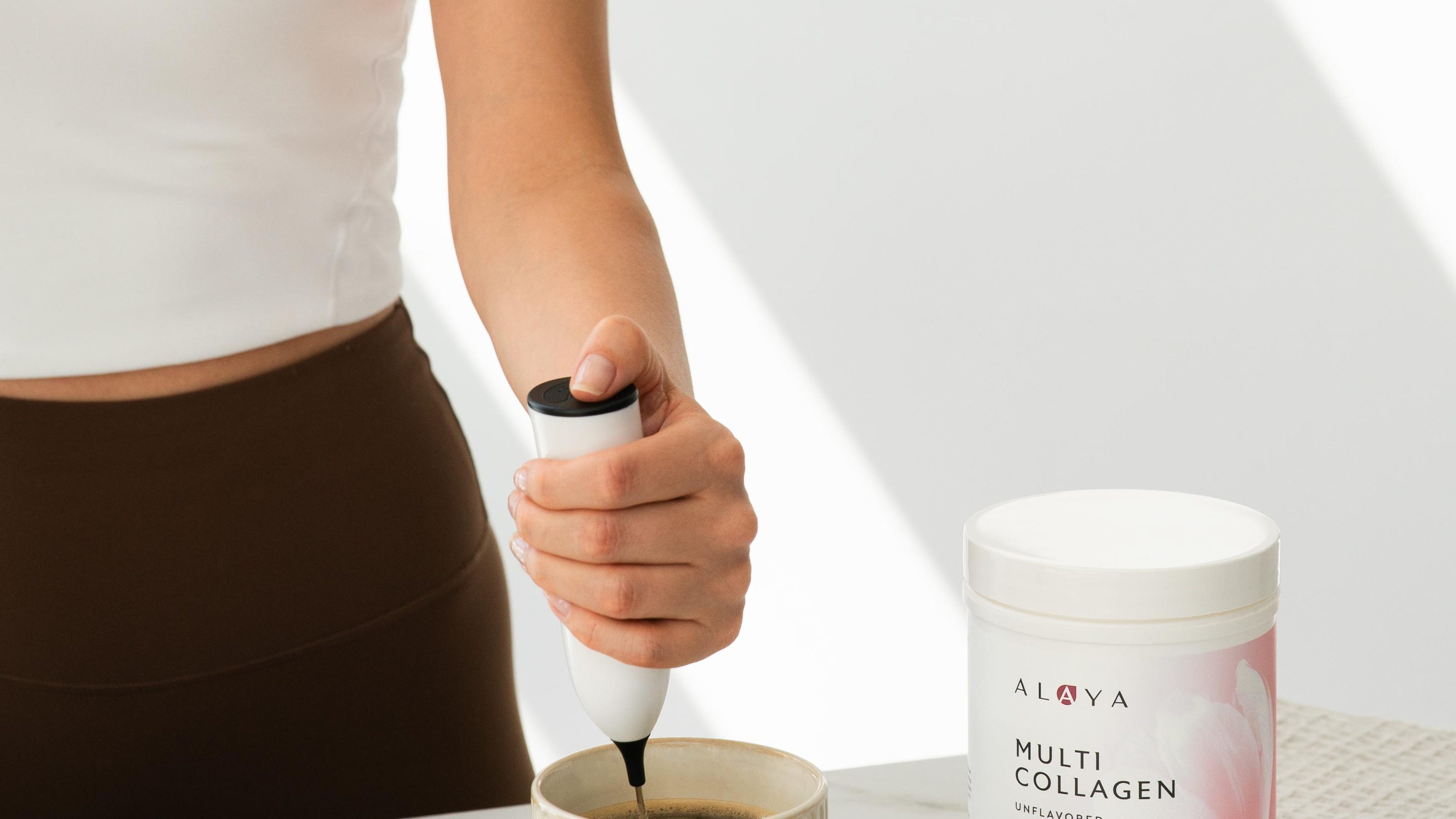
Collagen production in the human body drops by about 1% every year starting in a person's mid-20s. For women over 40, that decline speeds up fast due to hormonal shifts from perimenopause and menopause. The result: deeper wrinkles, thinning hair, brittle nails, and stiffer joints. That biological reality is fueling a surge in collagen supplement sales, with the global market hitting $2.5 billion in 2025, according to Cape Cod Times.
At the center of this trend is Alaya Naturals and its Multi Collagen Peptides powder. The brand says it now serves over 700,000 customers. But not everyone agrees the product delivers on its promises. Independent reviewers and academic scientists are raising real questions about what collagen supplements actually do once you swallow them.
Why Women Over 40 Are Turning to Collagen Powder
Collagen is the most abundant protein in the body. It acts like scaffolding for skin, bones, cartilage, and tendons. As women age, especially after 40, declining estrogen levels speed up collagen loss. Topical creams don't solve this. Most collagen molecules are too large to pass through the skin barrier, according to Knox News.
That gap opened the door for hydrolyzed collagen peptides — collagen broken into tiny chains the gut can absorb. Alaya Naturals' flagship powder blends five collagen types: I, II, III, V, and X. It also includes a 1-gram joint complex with MSM, glucosamine, and chondroitin. A 40-serving container retails for $44.95, according to Lubbock Online.
Clinical Studies Show Promise, But Skeptics Push Back Hard
A 2021 meta-analysis of 19 randomized controlled trials found that hydrolyzed collagen improved skin hydration, elasticity, and wrinkle depth compared to a placebo. One study in the Journal of Skin Pharmacology and Physiology found a 20% reduction in eye wrinkle depth after eight weeks of daily use, according to Providence Journal.
But academic critics are not convinced. Prof. John McGrath of King's College London argues that stomach acid breaks collagen down into basic amino acids — the same building blocks found in any protein source. Those amino acids go wherever the body needs them most, not necessarily to your skin or joints. Dr. Kseniya Kobets of Montefiore Einstein put it plainly: "It's not like it will make you look 10 years younger in eight weeks. It's more of a sidekick to your antiaging game," according to Democrat and Chronicle.
Independent Reviewers Flag Pricing and Label Transparency
The supplement evaluator SuppCo gave Alaya Naturals Multi Collagen a TrustScore of 5.7 out of 10. SuppCo called the product "expensive," noting it costs more than 74% of competing collagen supplements. Reviewers also criticized the "proprietary blend" label format, which hides the exact dosage of each collagen type inside the formula, according to South Coast Today.
Because dietary supplements do not require FDA pre-market approval, companies face no legal requirement to publish heavy metal testing results or prove therapeutic dosages. This regulatory gap is a known issue across the entire supplement industry, not just collagen, according to Delaware Online.
A $3.6 Billion Market Is Pushing Science and Regulation Forward
The global collagen supplement market is projected to grow from $2.5 billion in 2025 to $3.6 billion by 2034, according to the IMARC Group. Beauty-focused collagen products alone saw an 18.4% jump in dollar sales in recent NielsenIQ data, reported by Coloradoan. That kind of growth is attracting serious investment and serious scrutiny.
On the regulatory front, a March 2026 FDA public meeting examined whether advanced peptide chains should be formally recognized as dietary ingredients. If approved, brands like Alaya Naturals could make broader marketing claims. Meanwhile, companies are racing to develop vegan-friendly collagen from yeast fermentation to reach consumers who avoid bovine and marine sources, according to Canton Rep.
Sentiment
NeutralNEGATIVENEUTRALPOSITIVE
Publishers
38
Articles
37
Reach
38
A
AnonymousAuthor