Nepal's Dengue Health Crisis
Nepal Battles Rising Dengue Cases Across 74 Districts on World Mosquito Day
Key Points
Baglung district recorded the highest number of dengue cases (470) from January to August, with Jhapa (208), Sunsari (205), Kaski (178) and Palpa (126) also reporting high figures, alongside Kathmandu (115) and Gorkha (101).
A three-month dengue awareness campaign is being rolled out in Shrawan, Bhadra and Ashwin, emphasizing regular monitoring and management of mosquito breeding sites.
The Epidemiology and Disease Control Division released 'Vectors of Public Health Importance of Nepal: A Country Profile' on the eve of World Mosquito Day to establish baseline data on disease-transmitting vectors.
Dr. Anuj Bhattachan discusses the government's 'Search and Destroy' dengue control campaign, nationwide vector surveillance, and long-term strategies, underscoring that vector control is a shared responsibility across society.
About 18,710 people in Nepal were affected by vector-borne diseases in the last fiscal year, underscoring the broader health burden beyond dengue alone.
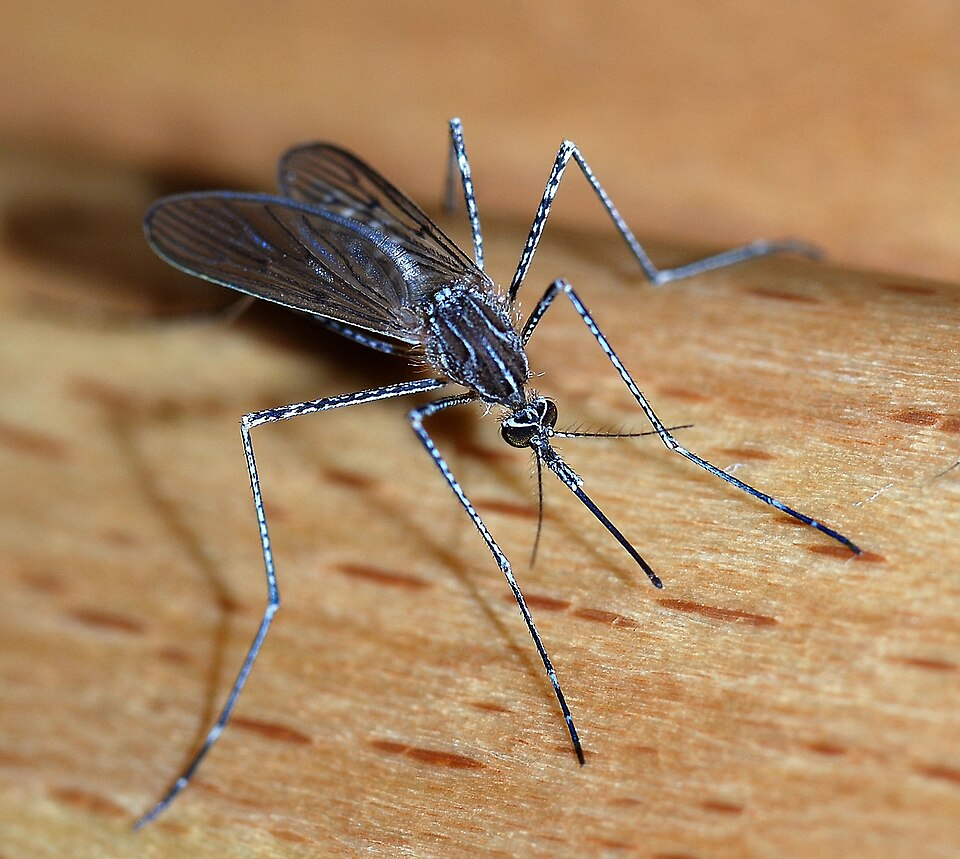
Nepal is facing a dengue crisis spread across 74 districts, with 2,844 cases recorded in the first eight months of 2026, as the country marks World Mosquito Day under the theme "Small Bite, Big Challenge." Nepal News The outbreak highlights a growing threat: 168 mosquito species now thrive in Nepal, including in high mountain areas where they never existed before due to climate change.
Baglung district leads with 470 dengue cases, followed by Jhapa (208) and Sunsari (205), according to Review Nepal. Health authorities warn that cases could spike during and after monsoon season. The government has launched a three-month awareness campaign and established vector control laboratories across all seven provinces to combat the spreading disease.
Why Dengue Is Spreading to Nepal's Mountains
Climate change is reshaping Nepal's mosquito map. Rising temperatures allow disease-carrying mosquitoes to survive in cooler, higher elevations where they thrived only in warmer lowlands before. Nepal News The country has identified 168 mosquito species, compared to just a handful a decade ago. Vector-borne diseases now affect 56 districts overall, not just dengue hotspots.
Last fiscal year, about 18,710 Nepali people fell sick from vector-borne diseases beyond dengue alone, underscoring the broader health burden. Review Nepal The Epidemiology and Disease Control Division released a new 'Country Profile' documenting disease-transmitting vectors to help the government plan long-term responses.
Baglung and Eastern Districts Bear the Heaviest Burden
Baglung district is ground zero for Nepal's dengue outbreak. It recorded 470 cases from January through August—nearly double the second-place districts. Review Nepal Jhapa (208), Sunsari (205), Kaski (178), and Palpa (126) follow as secondary hotspots, with even Kathmandu valley recording 115 cases.
The eastern and central regions are bearing the brunt of infection. Ratopati Health officials point to poor drainage, standing water, and monsoon conditions as ideal breeding grounds for mosquitoes. The seasonal nature of dengue means cases typically spike during and immediately after the rainy months.
Government's 'Search and Destroy' Campaign Takes Shape
Nepal's health authorities are mounting an aggressive response. Dr. Anuj Bhattachan, a key official, outlined a 'Search and Destroy' dengue control program targeting mosquito breeding sites in homes and neighborhoods. Review Nepal The government is rolling out a three-month nationwide awareness campaign during Shrawan, Bhadra, and Ashwin (roughly August to October) to teach families how to eliminate standing water where mosquitoes breed.
Officials stress that mosquito control is a shared responsibility—not government work alone. Ratopati Every community, neighborhood, and household must participate in finding and destroying breeding sites. Laboratories in all seven provinces now support surveillance and identification of disease-carrying vectors to guide field teams.
Why August 20 Marks a Global Health Milestone
World Mosquito Day, observed on August 20, commemorates Sir Ronald Ross, a British doctor with the Indian Medical Service who discovered malaria parasites in a mosquito's stomach in 1897. IB Times That discovery launched modern understanding of how insects transmit deadly diseases to humans—knowledge that remains essential today as dengue, malaria, and Zika spread globally.
Nepal's observance this year puts a spotlight on the region's vector-borne disease crisis. Nepal News By calling attention to the threat under the banner "Small Bite, Big Challenge," health authorities hope to mobilize communities, prevent infection surges, and prepare for worse outbreaks as monsoon season peaks.
Sentiment
Mostly NegativePublishers
13
Articles
3
Reach
16


