Wisconsin Ballot Ruling Update
Supreme Court Mail-in Ballot Ruling Holds No Immediate Impact for Wisconsin Voters
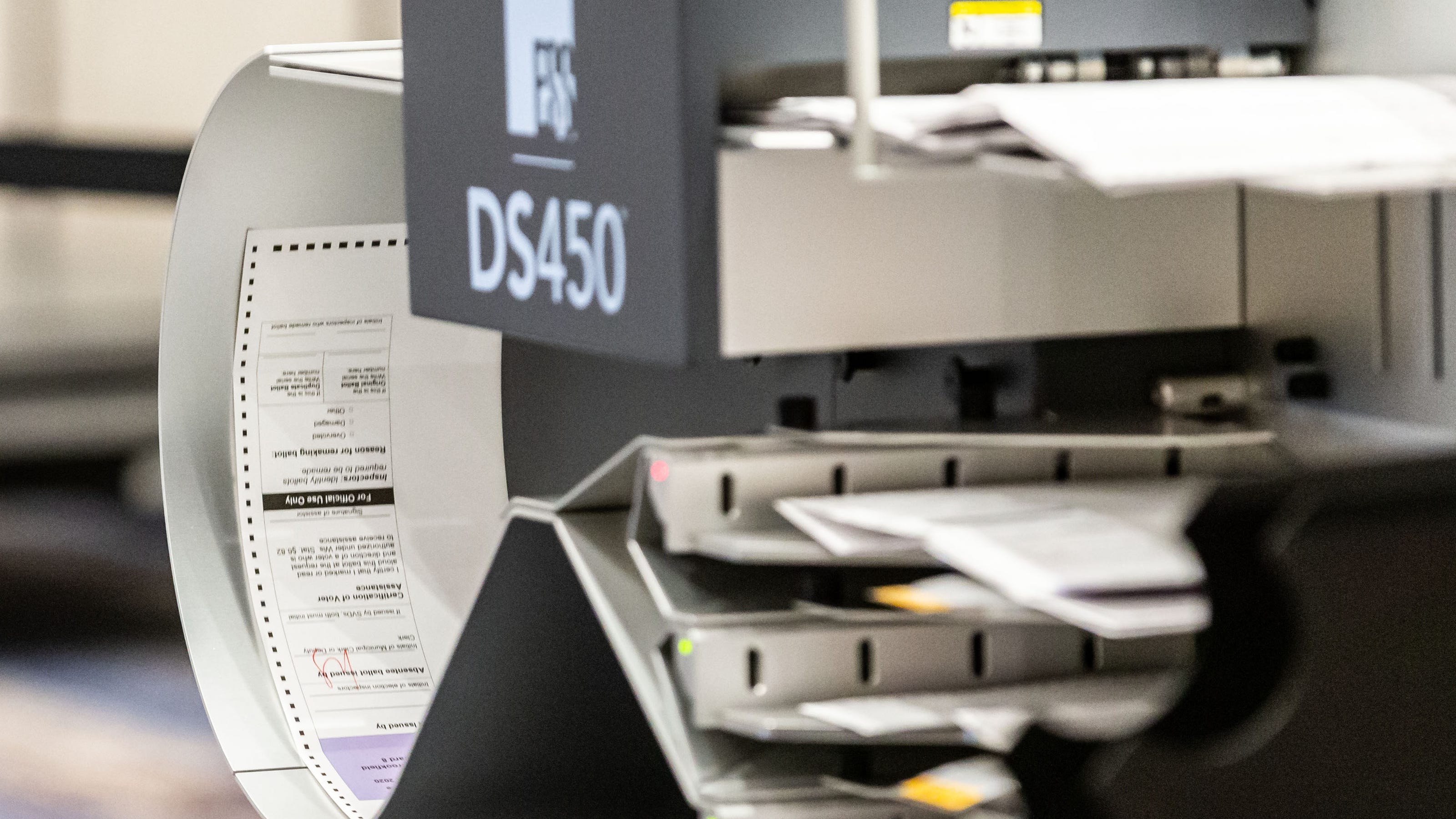
The U.S. Supreme Court sided with the Trump administration on mail-in ballots, but Wisconsin officials say the ruling will have no practical effect on the state. The court ruled that lower courts moved too quickly when they partly paused Trump's executive order cracking down on mail-in voting. Legal challenges are still ongoing.
The executive order would require states to give the U.S. Postal Service voter names and unique barcodes for everyone voting absentee. A federal judge has already blocked this proposed rule. The Trump administration is expected to appeal the decision.
Wisconsin Vows to Resist Voter Data Sharing
Wisconsin officials have consistently opposed sharing voter information with the Postal Service. The state has pushed back against efforts to hand over voter data for mail-in ballot tracking. This resistance means the executive order faces real obstacles even if courts allow it to move forward.
The Supreme Court's Technical Timing Decision
The Supreme Court's ruling focused on procedure, not policy. The justices said lower courts acted too soon when they paused parts of Trump's order. The court did not rule on whether the mail-in ballot policy itself is legal or constitutional. This leaves the main legal fight unresolved.
Federal Judge Blocks the Proposed Ballot Rule
A federal judge has already blocked the proposed rule requiring voter data sharing. The Trump administration plans to appeal this decision. The case will likely continue through the courts for months. Each legal step brings new opportunities to challenge the order.
What the Executive Order Actually Does
Trump's order targets mail-in voting by requiring states to provide voter names and barcodes to the Postal Service. This would let federal officials track absentee ballots throughout the mailing process. Supporters say it improves security. Critics worry it creates privacy risks and voter intimidation threats.
Sentiment
NeutralPublishers
6
Articles
5
Reach
6


