Syntiant AI IPO
Syntiant Files for IPO on Nasdaq Amid Robust Investor Demand for Edge AI Chips
Anonymous
Key Points
1
There is a discrepancy in reported net losses for Q1 2026: the S-1 shows a net loss of $20.9 million for the March 31 quarter, while other reports cite a $26.2 million loss.
2
Syntiant has deployed more than 100 million of its AI processors across consumer, industrial, and automotive applications, underscoring scale of its edge AI technology.
3
Syntiant’s Knowles MEMS microphone business acquisition, completed in December 2024, included manufacturing facilities in China and Malaysia, broadening its footprint in smartphones, earbuds, and related devices.
4
The IPO proceeds may be used to repay debt and pursue additional acquisitions, indicating a potential path to strengthening balance sheet and growth through further bolt-ons.
5
Syntiant has raised about $311 million from investors to date, reflecting substantial private funding prior to the public listing.
Syntiant Corp. has filed for a U.S. IPO, planning to list on Nasdaq under the ticker SYTN as investor appetite for AI chips stays strong. The Irvine-based company makes low-power processors that run AI directly on devices — no cloud required — and has already shipped more than 100 million chips, according to The Next Web.
The filing comes at a moment of renewed excitement for AI semiconductor stocks. TradingView noted the timing follows the recent Cerebras listing, suggesting public markets are hungry for more AI chip plays. Lead underwriters include Citigroup, Bank of America Securities, UBS, and Needham & Company.
Revenue Growing but Losses Persist Into 2026
Syntiant reported revenue of $64.5 million for the quarter ending March 31, 2026. But the company also posted a net loss of roughly $20.9 million in that same period, per its S-1 filing. Some reports from Seeking Alpha cite a higher figure of $26.2 million in net losses — a discrepancy that investors will want clarified.
Sales have been flat to slightly declining, which raises a key question: can Syntiant reach the scale needed to turn a profit? Electronics For You noted that analysts see a clear path to operating leverage as a must-have to win over public market investors.
Knowles Microphone Deal Expands Hardware Reach
In December 2024, Syntiant bought the consumer MEMS microphone business from Knowles — one of its own backers. MEMS microphones are tiny sensors built into smartphones, earbuds, and hearing aids. The deal gave Syntiant manufacturing facilities in China and Malaysia, broadening its reach into consumer electronics and automotive devices.
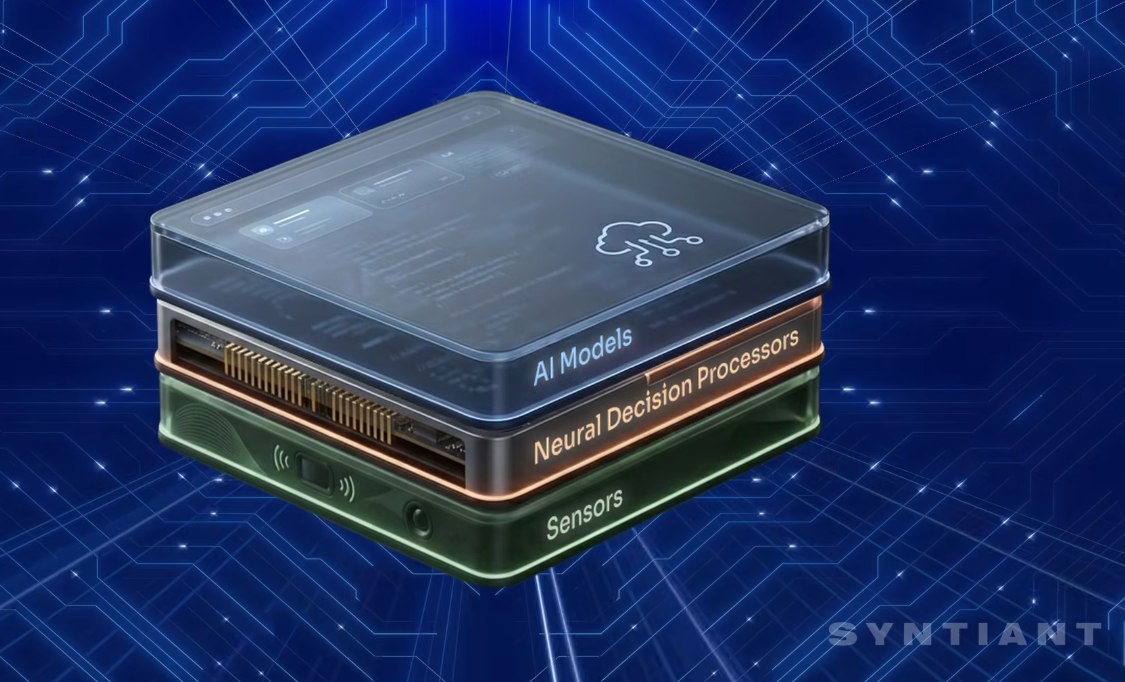
The move signals a shift beyond pure chip design. Syntiant now controls more of the hardware stack, from the microphone that captures sound to the AI processor that understands it. The Next Web described the acquisition as a key step in strengthening its position in wearables and smart devices.
Intel, Microsoft, and $311 Million in Backing
Syntiant has raised about $311 million from private investors before this IPO. Its backers include Intel, Microsoft, and Knowles — a mix of chip giants and tech heavyweights. That backing gives the company credibility, but it also means early investors will be watching the public debut closely.
TradingView reported that IPO proceeds may go toward repaying debt and funding more acquisitions. That suggests Syntiant sees further bolt-on deals as part of its growth plan, rather than relying on organic revenue gains alone.
Edge AI Chips Find a Market Beyond the Data Center
Most AI chip buzz centers on data center giants like Nvidia. Syntiant takes a different bet. Its chips run AI at the "edge" — meaning on the device itself, like a phone or a car. That cuts lag time and removes the need for a constant internet connection.
With 100 million chips already deployed across consumer, industrial, and automotive uses, Syntiant has real-world scale. Electronics For You noted the company is positioning itself to ride rising demand for on-device AI as more gadgets get smarter without needing to phone home to a server.
Sentiment
Mostly PositiveNEGATIVENEUTRALPOSITIVE
Publishers
12
Articles
89
Reach
101
A
AnonymousAuthor


