Record Toll Hikes Ahead
Illinois Tollway Board Advances $26.5 Billion Plan, Bringing Largest Toll Hikes in State History
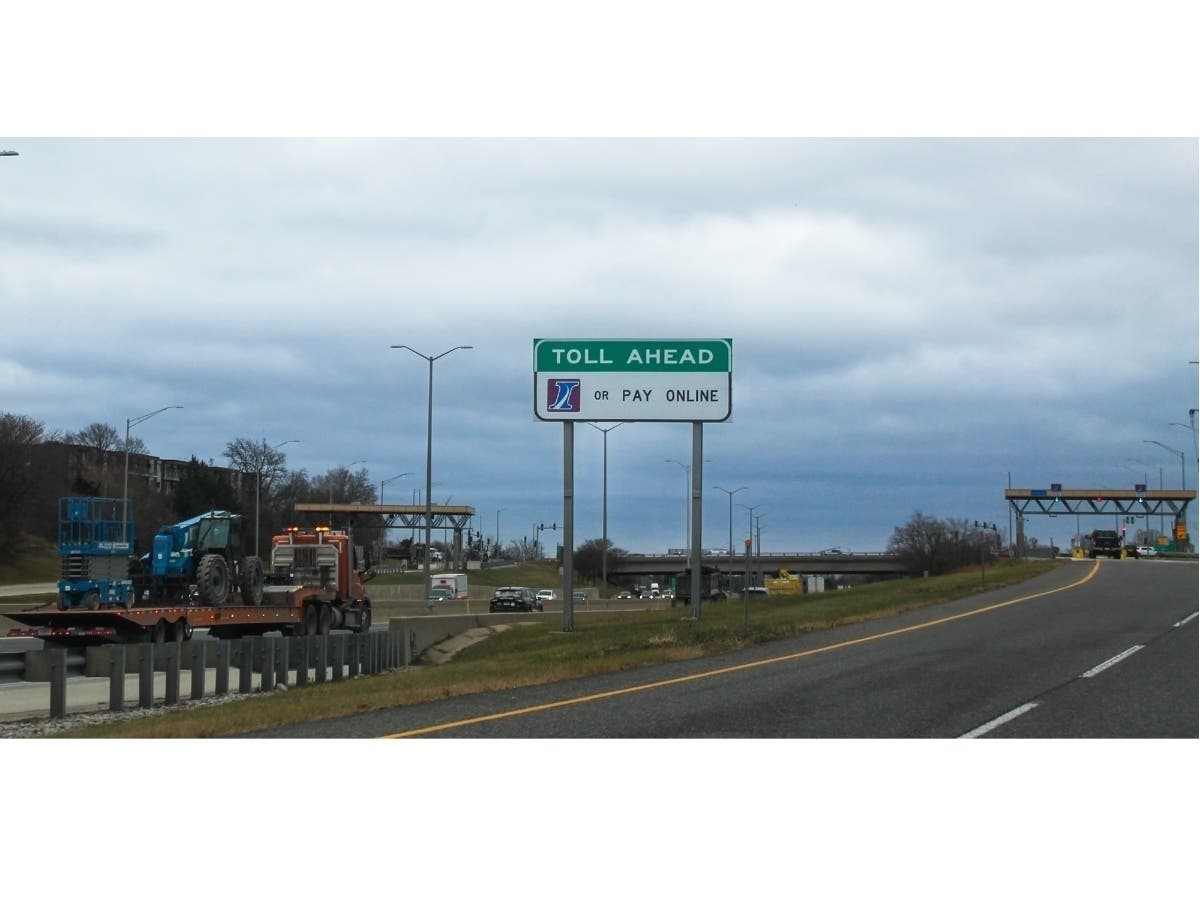
Key Points
The Tollway board held 13 public hearings before voting on the rate hike.
According to NBC Chicago, I-Pass users would face a 45-cent increase per toll, while drivers without I-Pass would incur a 90-cent increase per toll.
The funding relies on the Northern Illinois Transit Authority Act, redirecting motor-fuel sales taxes to public transit and allowing toll increases to offset the lost revenue.
There is a timeline discrepancy among reports on when the inflation-based biennial increases begin: some say 2027, others say 2029, though all would be tied to CPI with an 8% cap every two years.
A Barrington-area commuter driving on I-90 could see costs rise from about $600 now to roughly $950 in 2027, with potential to reach around $1,000 in 2029 under a 6% two-year increase scenario.
Illinois is raising tolls for the first time in 15 years under a $26.5 billion infrastructure plan approved by the Tollway board. Passenger vehicles will pay 45 cents more per toll, while drivers without I-Pass will pay 90 cents extra The Center Square. Commercial trucks face about a 30% increase. Starting in 2029, automatic two-year increases tied to inflation will kick in, capped at 8% per period, potentially pushing yearly costs from $600 to $950 or higher for regular commuters Patch.
The plan replaces revenue lost when Illinois redirected fuel taxes to public transit last year Audacy. The Tollway held 13 public hearings before voting. Drivers expressed concern about rising costs as they already struggle with other expenses. The board says the money will reduce congestion, improve safety, and modernize aging infrastructure through 2042 Journal Topics.
How Much More Will Drivers Pay?
I-Pass users face a 45-cent increase at each toll gate The Center Square. Non-I-Pass drivers will pay 90 cents more per toll. A Barrington-area commuter on I-90 could see annual costs jump from $600 today to about $950 by 2027 Patch. Commercial trucks get hit with a 30% bump across the board Audacy.
Even with increases, I-Pass users will still pay below the national average per mile The Center Square. But the automatic inflation increases starting in 2029 could push a regular commuter's annual bill toward $1,000 within two years if inflation averages 6% Patch.
Why Illinois Lost the Fuel Tax Revenue
Last year, Illinois passed the Northern Illinois Transit Authority Act. This law redirected motor-fuel sales taxes to public transit instead of roads. The state allowed the Tollway to raise tolls to replace that lost money Audacy. Transit agencies got roughly $700 million yearly from this shift The Center Square.
The toll increase helps the Tollway fund its massive 15-year capital program. Without the extra revenue, the agency couldn't pay for new infrastructure and maintenance Journal Topics. Officials say I-Pass users still benefit because tolls stay cheaper than driving on non-tolled roads with gas costs Patch.
When Automatic Increases Start and How Fast
The first jump happens in January 2026. After that, automatic increases begin in 2029, repeating every two years tied to inflation Patch. Each hike is capped at 8% per two-year period Audacy. The increases tie to the Consumer Price Index, the measure of what inflation actually is Journal Topics.
This automatic system means drivers won't see another public fight over tolls every few years. The Tollway board voted unanimously to approve the plan The Center Square. The board held 13 public hearings before the vote, showing mixed public reaction Audacy.
Last Toll Hike Was 14 Years Ago
The previous toll increase happened in 2012. That means Illinois drivers have gone 15 years without a rate hike. The new plan represents the largest toll increase in state history The Center Square. Long gaps between increases can mean bigger jumps when they finally happen Patch.
The $26.5 billion capital program funds work through 2042. It targets congestion relief, safety improvements, and technology upgrades on Illinois toll roads Journal Topics. Commercial carriers will also see more infrastructure benefits from the investment Audacy.
Sentiment
Mostly PositivePublishers
22
Articles
18
Reach
40


