FCC Equal-Time Rule Ruling
FCC rules Ted Cruz ESPN interview did not violate equal-time law.
Anonymous
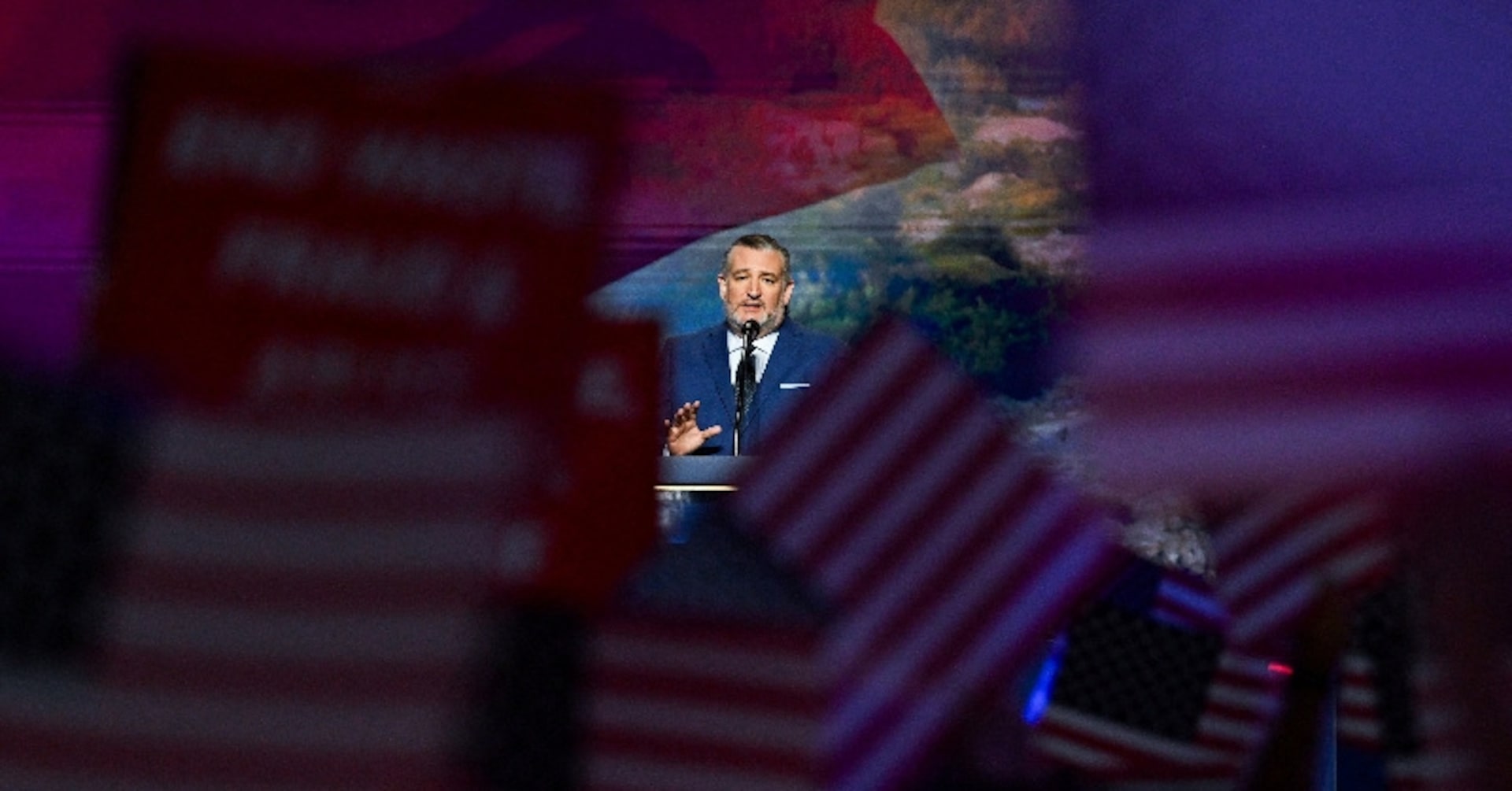
The FCC ruled that an ESPN interview with Republican Senator Ted Cruz did not violate equal-time rules, even as the agency warned another network about a Democratic candidate's appearance on late-night TV. FCC Chairman Carr approved Cruz's sports interview because he is not running for office this election cycle. The ruling highlights how the FCC applies its equal-time law selectively based on whether someone is an active candidate.
The equal-time rule only applies to broadcast stations, not cable channels. The FCC recently declared that daytime and late-night talk shows no longer qualify as exempt "bona fide" news programs. This shift has created confusion about what air time triggers equal-time obligations for political figures.
Why Cruz's Interview Got a Pass
Senator Ted Cruz is not running for election in the current cycle. The FCC determined that because Cruz holds no active campaign status, his ESPN interview on Saturday carried no equal-time obligation. This key distinction separates sitting officeholders who are not candidates from those actively running for a seat.
ESPN broadcasts on cable, which falls outside FCC equal-time rules entirely. Only broadcast TV stations must follow these rules. Cable networks like ESPN operate under different regulatory frameworks, giving them more flexibility with political content.
The Democratic Candidate's Different Outcome
A Democratic political candidate faced an FCC warning after appearing on a late-night program. Unlike Cruz, this candidate is actively running for office. The FCC's stance signals that candidates on air create equal-time obligations that non-candidates do not trigger.
The late-night program appearance crossed a line the FCC now enforces strictly. Regulators previously treated talk shows as news-exempt, but that protection has ended. Broadcast stations must now treat entertainment and talk programming as subject to equal-time rules.
How the Equal-Time Rule Really Works
Federal law requires broadcast stations to give all candidates for the same office equal access to air time. If Station A interviews Candidate X, it must offer the same opportunity to Candidates Y and Z. The rule aims to level the playing field. The FCC enforces this only for broadcast TV, not cable or radio.
The rule does not cover non-candidates like senators who hold office but are not running. Sports interviews, news appearances by politicians, and other content involving non-candidates generally escape equal-time scrutiny. This creates a gray zone where political figures can gain media exposure without triggering equal-time obligations.
Sentiment
NeutralNEGATIVENEUTRALPOSITIVE
Publishers
10
Articles
9
Reach
10
A
AnonymousAuthor


