FCC Equal-Time Dispute
FCC Chairman Brendan Carr Dismisses Jimmy Kimmel and James Talarico Interview Dispute
Anonymous
Key Points
1
Carr said the equal-time requirement does not necessarily require an opposing candidate to receive an interview with the same host or on the same program. He characterized the law as promoting “more speech, not less” and said Congress intended voters—not media gatekeepers—to decide elections.
2
The dispute echoed a February interview Stephen Colbert posted with Talarico on YouTube after the broadcast raised similar equal-time concerns; that video has since reached about 9.6 million views.
3
Talarico defended the move during an appearance on MS NOW’s The Weeknight, saying, “Government censorship should be a concern to all of us, regardless of our political party,” and linking the issue to First Amendment and free-speech rights.
4
Kimmel said the administration and FCC had threatened not only him and ABC but also the network’s local stations and affiliates, broadening the alleged pressure beyond the late-night program itself.
5
The equal-time rule has traditionally been treated as inapplicable to bona fide news programs, while late-night and daytime talk shows have historically operated under an exemption; Carr has nevertheless argued that many broadcast talk shows show partisan favoritism.
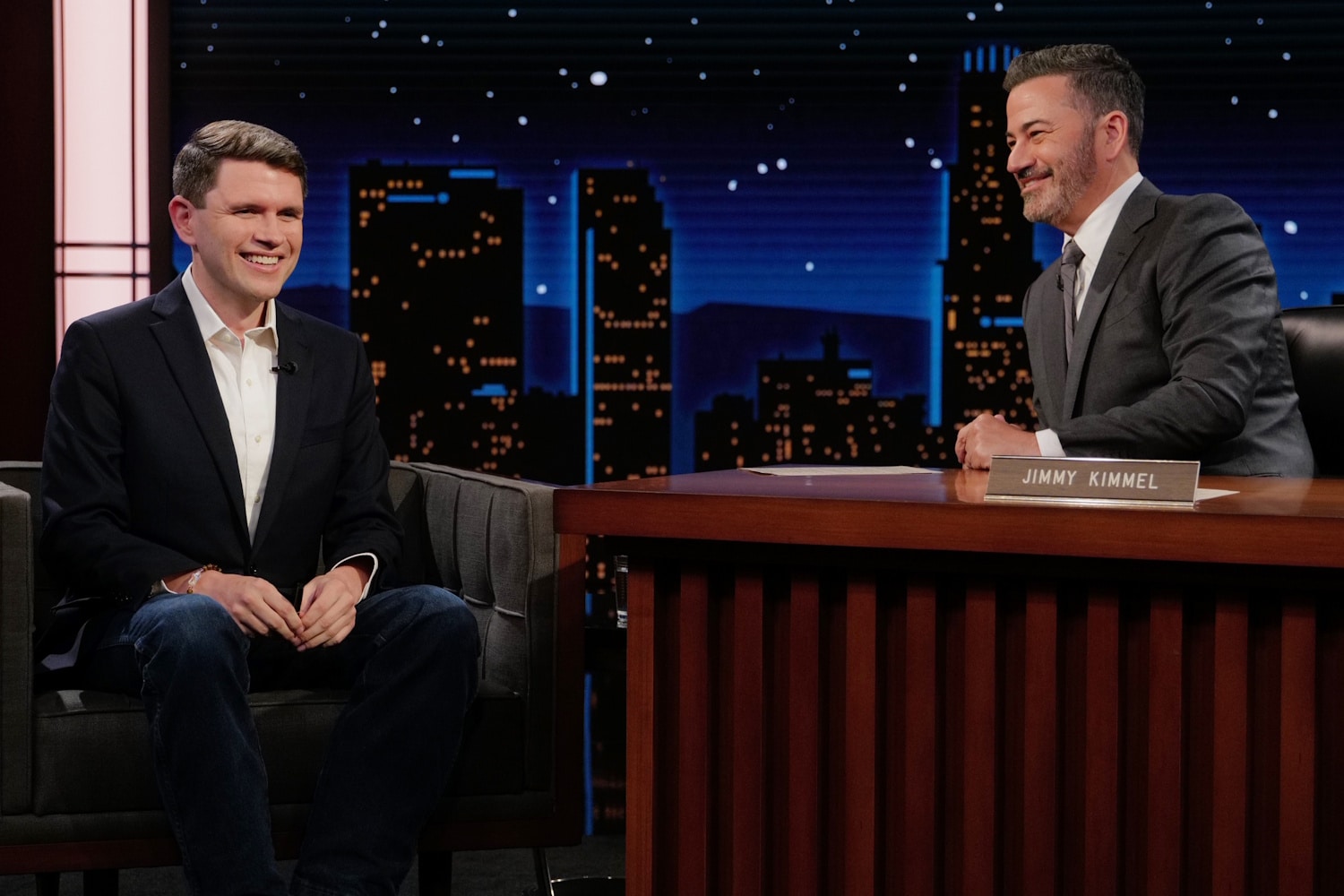
FCC Chairman Brendan Carr accused Jimmy Kimmel and Texas Democratic Senate candidate James Talarico of staging a fake controversy to boost campaign donations and YouTube views. FCC Chair Carr called the move a "hoax," saying Talarico was repeating a stunt he pulled with Stephen Colbert in February to manufacture outrage about the equal-time rule.
Kimmel moved the 21-minute interview to YouTube after citing pressure from the Trump administration and FCC over broadcast regulations. The video drew 8.3 million views, making it Kimmel's most-watched interview in two years. Talarico claimed the move proved government censorship, while Carr argued the equal-time rule allows broadcasters wide latitude in how they air candidate content.
What the Equal-Time Rule Actually Says
The equal-time rule requires broadcasters to provide comparable airtime to opposing candidates when they air one candidate. But Carr says the rule does not force networks to use the same host or program. He argued the law promotes "more speech, not less" and lets voters—not media gatekeepers—choose leaders.
Late-night and daytime talk shows have historically operated under an exemption from the rule. Carr argues many broadcast shows show partisan favoritism anyway, but he contends Talarico's interview did not violate the law.
Repeating the Colbert Strategy for Campaign Cash
Talarico pulled nearly the same move in February with Stephen Colbert, moving that interview to YouTube over equal-time fears. Carr said Talarico was running the same play twice to drum up views and donations. The Colbert video later reached 9.6 million views, proving the strategy worked.
Talarico defended the YouTube move during an appearance on MSNBC, saying "government censorship should be a concern to all of us, regardless of our political party." He tied the issue to free speech rights, framing the FCC's concerns as overreach.
Kimmel Claims Pressure Extended to Local Stations
Kimmel said the Trump administration and FCC threatened not just him and ABC but also the network's local stations and affiliates. This broader pressure campaign, he argued, forced the move to YouTube. The comedian framed the decision as defending free speech against government overreach.
Carr rejected comparisons to Republican Sen. Ted Cruz's ESPN appearance, noting cable networks face different rules and Cruz is not currently a candidate. He maintained the FCC never told Kimmel to pull the interview—only that equal-time rules might apply if the network kept it on broadcast.
Sentiment
Mostly NegativeNEGATIVENEUTRALPOSITIVE
Publishers
15
Articles
18
Reach
33
Topics
A
AnonymousAuthor


