Baltic Airspace Intercept
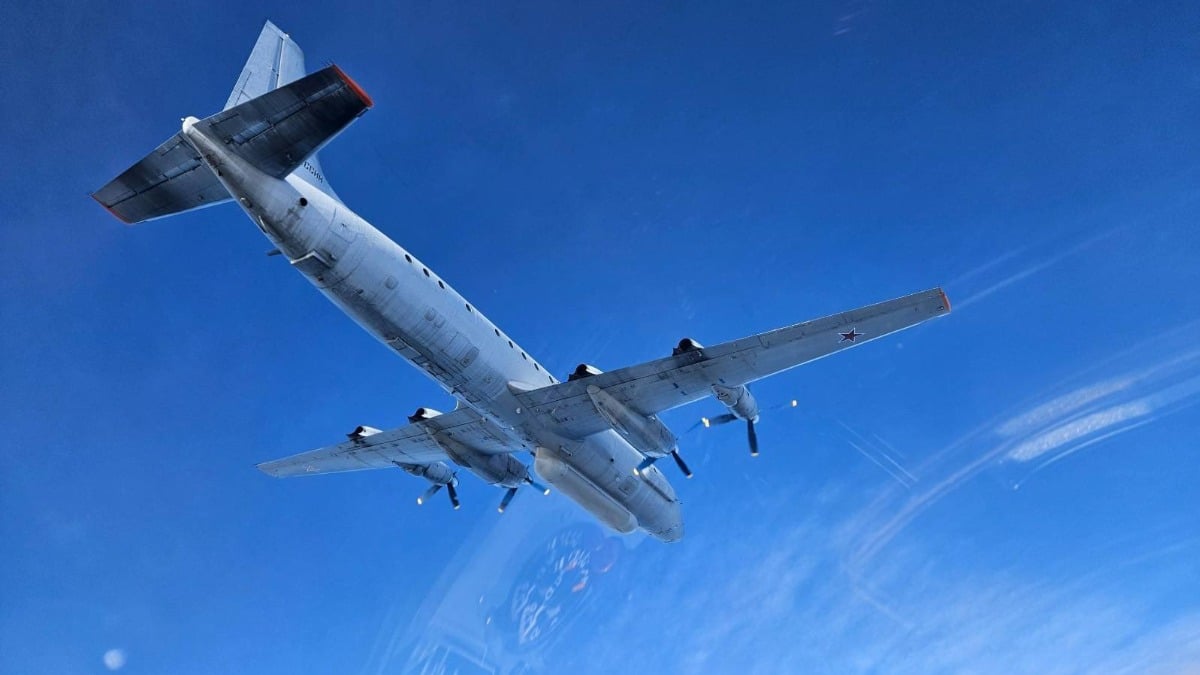
Polish fighter jets intercept a Russian reconnaissance aircraft over the Baltic coast.
Anonymous
Key Points
1
This intercept marks the third publicly reported Il-20 interception by Polish forces in 2025, with earlier interceptions in March, May, and July; a March incident was described as the ninth Il-20 reconnaissance mission in the region that year.
2
Poland’s intercepts have involved MiG-29s and F-16s, as part of a modernization effort that is phasing in newer fighters (F-16 and FA-50) while some MiG-29s have been retired or transferred to Ukraine.
3
Polish officials describe the Il-20 flights as deliberate provocations designed to test Poland and NATO air-defense response times.
4
NATO air-policing activity tied to these events has included scrambles from Malbork and other actions, with July 15 seeing two Su-30SM2 fighters approaching and Polish fighters scrambled from Malbork; similar scrambles were reported on July 12.
5
A separate Aug. 20 incident near Romanian airspace involved a drone and Spanish F-18 jets scrambling to monitor targets near the Ukrainian border, underscoring the broader regional readiness to respond to aerial activity.
Polish fighter jets intercepted a Russian Il-20 reconnaissance aircraft about 30 kilometers north of Łeba on the Baltic coast, Polish Defense Ministry confirmed. The incident marks the third such interception this year as Russian surveillance flights near NATO airspace continue with transponders off and no flight plans filed.
Defense Minister Władysław Kosiniak-Kamysz said the intercept demonstrates Poland's deterrence capabilities. United24Media reported that Polish airspace was not violated, but the encounter underscores escalating tensions as Russia repeatedly probes NATO's air-defense readiness along the Baltic.
Russia's Pattern of Baltic Provocations
The Il-20, a Soviet-era signals intelligence aircraft, has become a regular sight near Polish territory. Defence Blog reported this August interception follows earlier incidents in March, May, and July. Polish officials describe these flights as deliberate tests of NATO air-defense response times and readiness.
Yahoo News noted that the aircraft typically operates without transponders or flight plans, making detection and tracking more difficult. This secretive approach signals intentional provocation rather than routine reconnaissance missions.
Poland's Air Defense Scrambles Into Action
Poland relies on MiG-29 and F-16 fighter jets for interceptions as part of a broader modernization effort. The country is phasing in newer F-16s and FA-50s while some MiG-29s have been retired or transferred to Ukraine. Scrambles have launched from bases including Malbork in recent months.
July saw multiple scrambles as Russian activity intensified. On July 15, two Russian Su-30SM2 fighters approached Polish airspace, triggering immediate Polish fighter response. Similar scrambles occurred on July 12, showing near-constant vigilance.
Broader NATO Alert Along Eastern Borders
The Il-20 intercepts fit a wider pattern of Russian aerial activity testing NATO defenses. United24Media reported that a separate August 20 incident near Romanian airspace involved a drone, prompting Spanish F-18 jets to scramble and monitor targets near the Ukrainian border.
These recurring incidents have heightened regional vigilance. Poland, Romania, and other NATO members are maintaining constant alert status as Russia continues signals-intelligence operations and apparent air-defense probes across the Eastern flank.
Sentiment
Mostly NegativeNEGATIVENEUTRALPOSITIVE
Publishers
14
Articles
1
Reach
15
Topics
A
AnonymousAuthor