G20 Ukraine Peace Talks
US and Russian Finance Ministers Meet at G20 to Discuss Ukraine Peace
Anonymous
Key Points
1
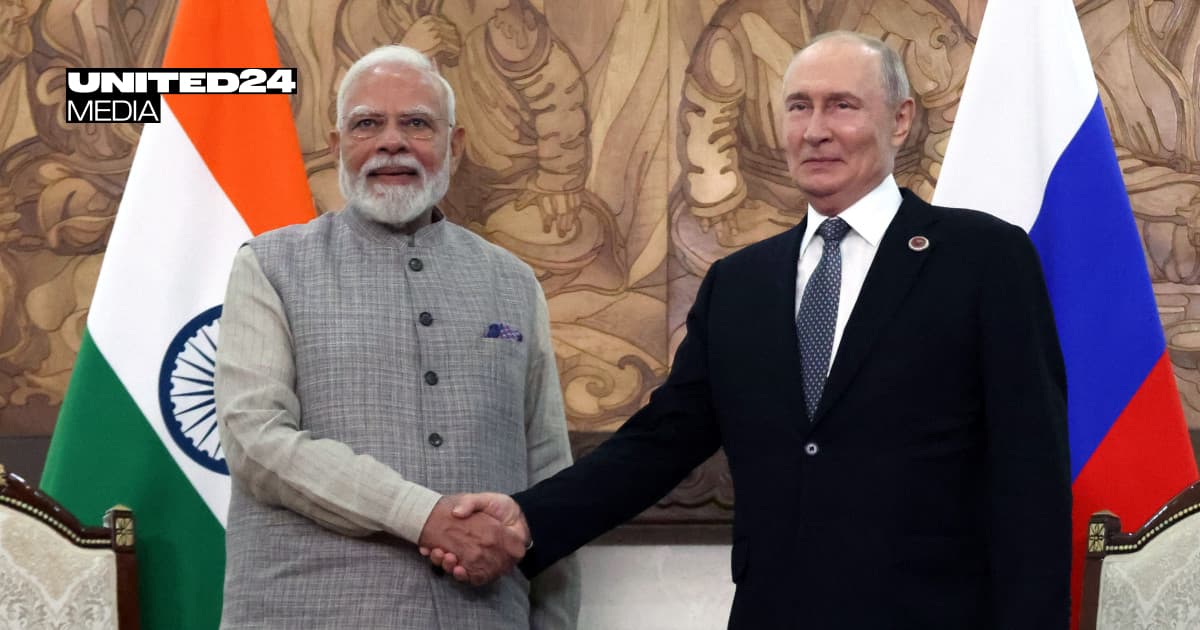
This meeting between Russian Finance Minister Anton Siluanov and U.S. Treasury Secretary Scott Bessent at the G20 in Asheville marked their first face-to-face encounter.
2
On the same day, Russian President Vladimir Putin said Russia is moving toward an end to the special military operation, providing broader context to the diplomacy surrounding the talks.
3
The Censor.NET report details the original 28-point peace plan and its later 20-point revision, including provisions such as recognizing Crimea and the Donetsk and Luhansk regions as Russian, freezing fronts, and potential post-conflict elections.
4
Ukrainian President Zelensky indicated that a one-page plan to end the war was drafted with the United States and European partners, signaling a broader, accelerated diplomacy alongside Trump’s framework.
U.S. Treasury Secretary Scott Bessent and Russian Finance Minister Anton Siluanov met face-to-face in Asheville during the G20 summit, marking their first in-person talks since Russia's invasion of Ukraine began. Reuters reported the two discussed President Donald Trump's 28-point peace plan for ending the war, but neither side revealed specifics or any agreements reached.
The timing is significant. Bessent is scheduled for at least 11 bilateral meetings at the summit, signaling a broad U.S. push to rally international support behind Trump's peace framework. Yet Kyiv Independent reported that Ukrainian officials were not informed about the Bessent-Siluanov meeting beforehand, exposing a gap between Washington's diplomacy and Kyiv's involvement.
Trump's Peace Plan Takes Shape at G20
The 28-point peace framework sits at the center of current U.S. diplomacy with Russia. Censor.NET documented that the plan includes recognizing Crimea, Donetsk, and Luhansk as Russian territory, freezing current front lines, and holding post-conflict elections. A revised 20-point version has since emerged as negotiations evolve.
Ukrainian President Zelensky has countered with his own approach. He told partners he drafted a one-page war-ending plan with the United States and European allies. The competing frameworks reflect Ukraine's desire to shape any diplomatic outcome alongside Trump's vision.
Moscow Signals Skepticism on Territorial Concessions
The Kremlin has made clear it won't budge on core demands. Reuters reported that Russian officials expressed doubt about accepting ceasefires without guaranteed territory gains. President Putin stated Russia is "moving toward an end" to its military operation, but on Moscow's terms only.
This stance creates a fundamental tension. Ukraine and its Western allies view territorial integrity as non-negotiable. Russia views its territorial claims as a precondition for any peace deal. Bridging this gap remains the central challenge for diplomacy.
Kyiv Left Out of High-Level Diplomacy
Ukraine's exclusion from the Asheville talks highlights deeper concerns in Kyiv. Officials told Kyiv Independent they learned about the meeting only after it happened. This pattern—Washington negotiating directly with Moscow while sidelining Ukraine—has become a flashpoint for trust.
Zelensky's one-page plan signals Ukraine is trying to stay at the negotiating table. But without a seat in rooms where the biggest powers meet, Ukraine risks seeing its future decided without its voice. The diplomatic gap widened further this week.
Broader G20 Engagement Pushes Trump's Framework
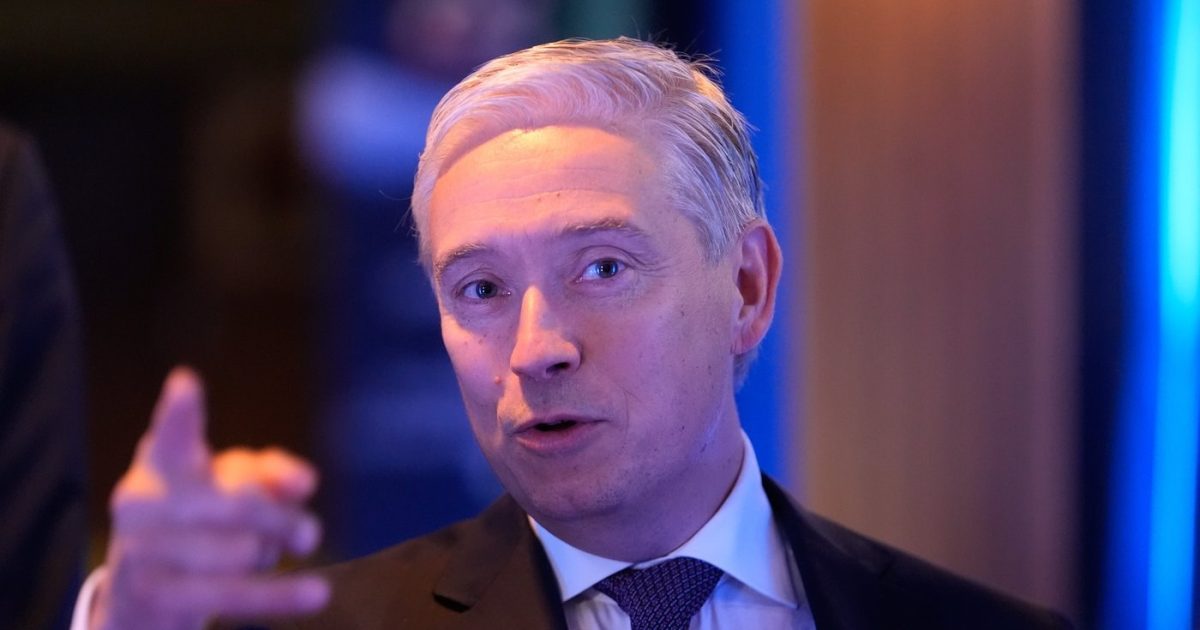
Bessent's packed schedule—11 planned bilateral meetings in Asheville—shows the U.S. is working to build a coalition around Trump's peace plan. Canada's Finance Minister François-Philippe Champagne met with Bessent, one of several key allies consulted. These sideline talks are where the real work happens.
The strategy seems designed to create momentum. By locking in support from major economies, the U.S. hopes to pressure both Ukraine and Russia toward negotiation. Yet without Kyiv's buy-in, any peace deal risks being DOA.
Sentiment
Mostly NegativeNEGATIVENEUTRALPOSITIVE
Publishers
14
Articles
39
Reach
53
Topics
A
AnonymousAuthor