Kemp's Redistricting Call Rejected
Georgia Republicans reject Governor Kemp's call for 2028 redistricting session.
Anonymous

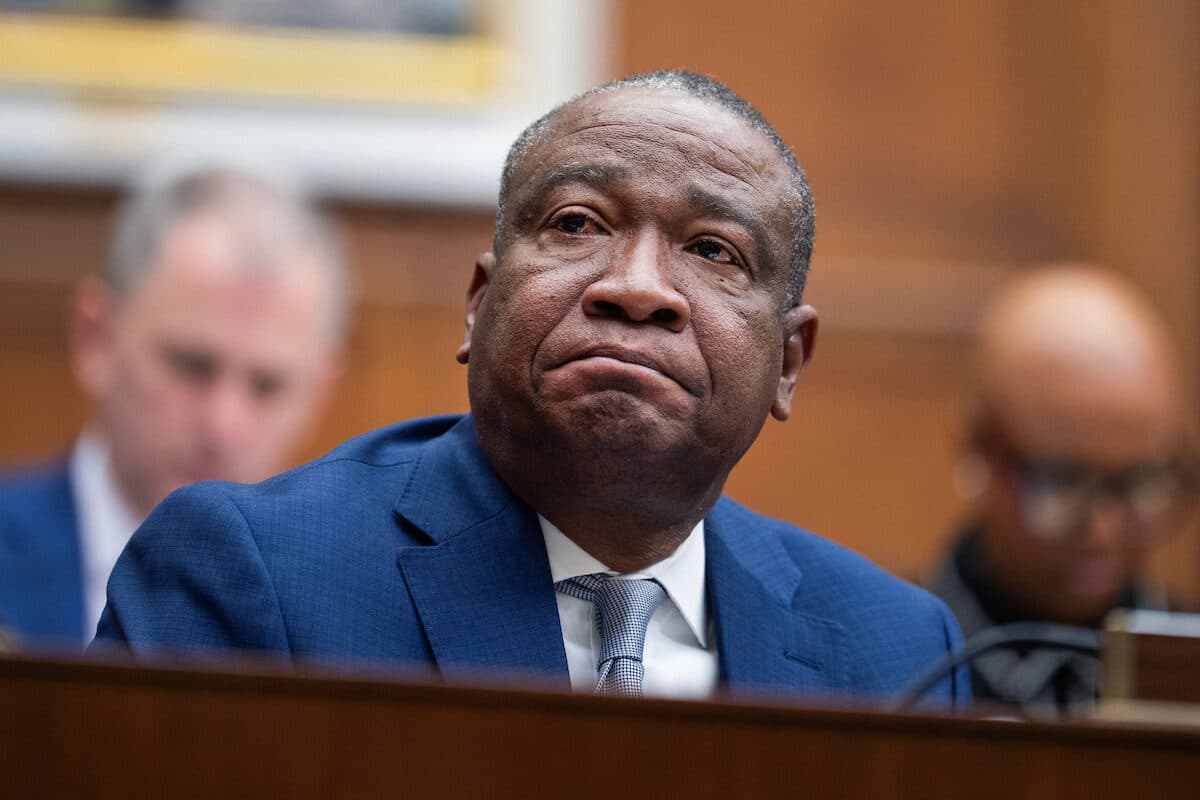
Georgia's Republican-controlled House has rejected Gov. Brian Kemp's push to redraw congressional and state legislative maps during a special session that opened June 17. House Speaker Jon Burns delivered the blow in a letter at 1:07 PM, writing that lawmakers "will not be taking up redistricting for the 2028 election cycle during this special session," according to WABE.
The standoff exposes a rare public rift inside Georgia's GOP. Kemp and Lt. Gov. Burt Jones wanted to act quickly after a landmark Supreme Court ruling. But House leadership said the process was moving too fast — leaving Georgia taxpayers to foot a special session bill of roughly $40,000 per day for a redistricting fight that collapsed within hours of the gavel dropping, according to Woonsocket Call.
Supreme Court Ruling Sparked the Redistricting Push
The crisis traces back to April 29, 2026. That day, the U.S. Supreme Court ruled 6-3 in *Louisiana v. Callais* that maps drawn specifically to create majority-Black districts violated the 14th Amendment's Equal Protection Clause. The court said race cannot "predominate" in how districts are drawn — even if lawmakers meant to comply with the Voting Rights Act, according to Lancaster Online.
The ruling dramatically shifted the legal landscape for Southern states. Georgia had already redrawn its maps in a late 2023 special session, adding one majority-Black congressional district and seven majority-Black legislative districts under a federal court order. The *Callais* ruling put those maps in legal doubt. Kemp said acting now would help Georgia avoid "the will of federal judges," according to Durango Herald.
Burns Slams the Brakes, Jones Backs Kemp
Speaker Burns did not frame his rejection as political. He called it a matter of fairness and process. "Changes to Georgia's maps should take place only when members of the General Assembly and citizens have been given ample opportunity to gather the facts," he wrote, according to WABE. He argued a mid-decade redraw needed more public input than a hastily called special session could allow.
Lt. Gov. Burt Jones broke with Burns and stood firmly with Kemp. Jones said he supported "the governor's plan" and that "failure to deliver is not an outcome I am seeking," according to WABE. After the rejection, Kemp softened his tone, saying he did not "believe there is reason to delay" but acknowledged it was "within their discretion to defer."
Democrats Call It a Voter Suppression Play
Democrats were blunt. The Democratic Party of Georgia called the redistricting push a "brazen attempt to take away the voting power of Black Georgians," according to Voice of Alexandria. State Rep. Eric Gisler argued Georgia's current maps have not been ruled unconstitutional and called the effort "unnecessary partisan gerrymandering."
The stakes are high. Democrats currently hold 5 of Georgia's 14 congressional seats. Advocates warn that if redistricting eventually moves forward for 2028, majority-Black districts in west metro Atlanta could be broken apart — potentially causing the largest drop in Black representation in the South since Reconstruction, according to Airdrie City View.
What Comes Next for Georgia's Maps
The redistricting fight is not over — it's just delayed. Under Georgia's constitution, both chambers must approve new maps by a majority vote. With House leadership refusing to act, nothing can pass regardless of Senate support. Analysts say Burns may be trying to keep a "voter suppression" story out of the 2026 midterm news cycle, according to Durango Herald.
The special session will still cost taxpayers money. The remaining items on Kemp's agenda — ballot-counting system deadlines and tax exemptions — will proceed. Redistricting, the session's biggest flashpoint, is now expected to wait until at least 2027, when legislators say public input and legal clarity will be easier to achieve, according to Woonsocket Call.
Sentiment
NeutralNEGATIVENEUTRALPOSITIVE
Publishers
5
Articles
5
Reach
5
Topics
A
AnonymousAuthor