State Policy Debates
Maryland Lawmakers Schedule Special Session for Redistricting, New Mexico Republicans Push Income Tax Repeal
Anonymous
Key Points
1
New Mexico would become the 10th state to eliminate its personal income tax if repealed, and GOP leaders are advocating now for the change with a proposed one-time $250 rebate; they argue the move should be pursued despite potential recurring budget implications.
2
The budget consequences of repealing the income tax are described as recurring and significant, with the governor saying such analysis and debate would be better suited to the regular 60-day session starting in January rather than a special session.
3
Maryland has scheduled an August 3–5 special session to consider a proposed state constitutional amendment that would allow mid-decade redistricting for congressional maps, with changes requiring a three-fifths vote in both chambers and then going to voters on the November 2026 ballot.
4
Gov. Wes Moore supports redrawing Maryland’s maps to counter moves by other states and to safeguard fair representation; Senate President Bill Ferguson had previously opposed midcycle redistricting but has signaled openness due to evolving legal circumstances, with eight districts in play (seven Democrats and one Republican) and potential implications for the 2028 elections.
Maryland lawmakers will hold a three-day special session from August 3–5 to vote on a proposed constitutional amendment that could allow mid-decade congressional redistricting, NBC Washington reported. If the amendment passes with a three-fifths majority in both chambers, Maryland voters will decide its fate on the November 2026 ballot.
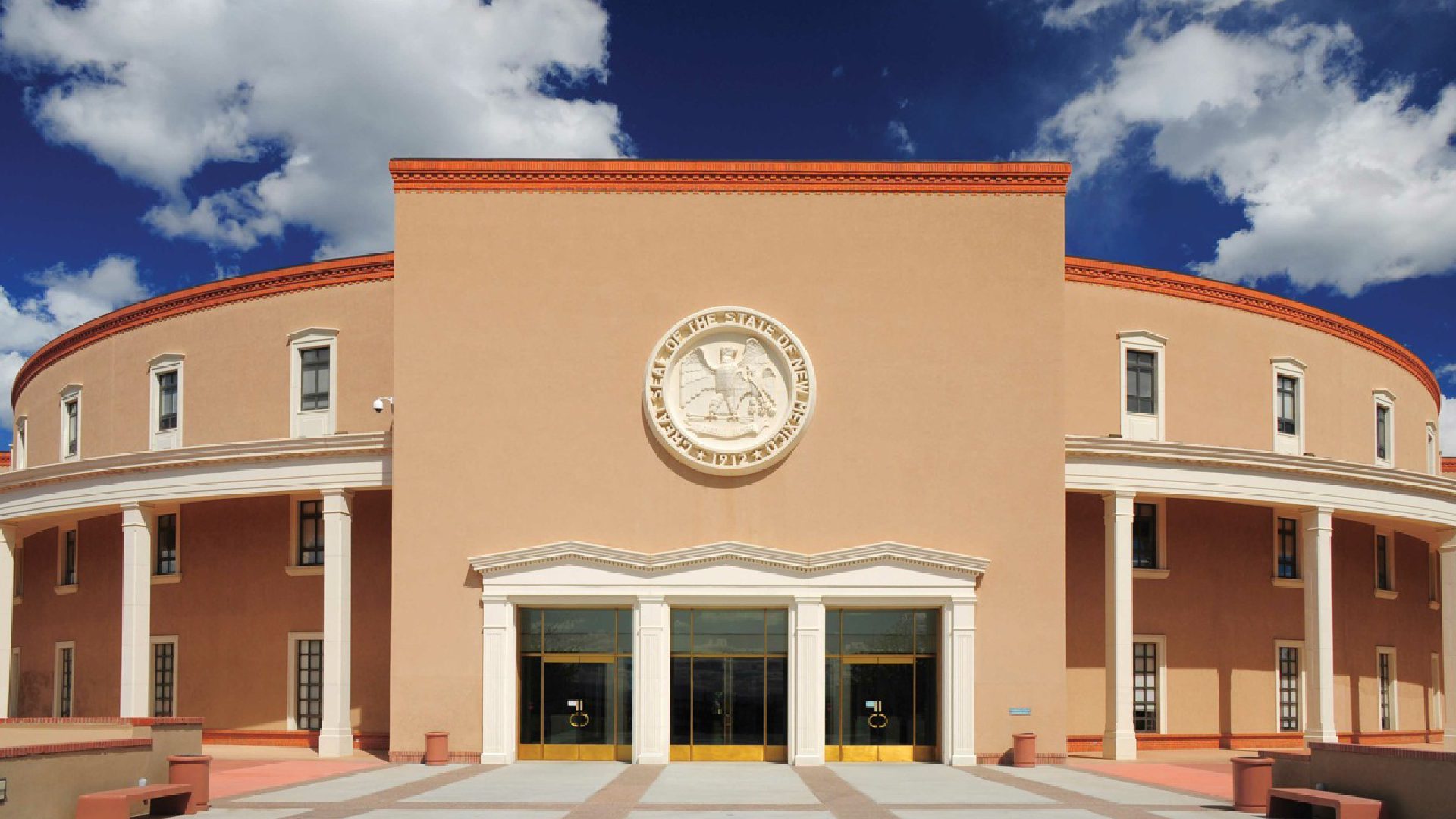
Meanwhile, New Mexico Republicans are pushing Gov. Michelle Lujan Grisham to call her own special session — this time to repeal the state income tax entirely. The governor is not convinced, and Democrats are calling the effort a publicity stunt.
Maryland Sets August Vote on Redistricting Amendment
Maryland's special session will focus on one question: should the state constitution allow lawmakers to redraw congressional maps in the middle of a decade? Right now, it does not. A constitutional amendment would change that. The amendment needs a three-fifths vote in both chambers to move forward, according to Avenue News.
Gov. Wes Moore supports the effort. He says redrawing maps would counter moves by other states and protect fair representation. Senate President Bill Ferguson had previously opposed mid-decade redistricting but has changed his position, citing a shifting legal landscape as his reason for the turnaround, The Well News reported.
Court Rulings on Voting Rights Pushed Maryland to Act
Federal courts have weakened the Voting Rights Act in recent years. That created real uncertainty about whether Maryland's current congressional maps would hold up legally. Lawmakers want a voter-approved framework that is harder to challenge, Coast TV reported.
The failed attempt earlier this year to address redistricting made August's session necessary. Lawmakers did not reach a deal during the regular session. The special session gives them a narrow second chance before the 2026 ballot deadline closes.
Seven Democratic Seats and One Republican Seat at Stake
Maryland currently has eight congressional districts. Democrats hold seven of them. Republicans hold one. Any mid-decade redistricting could reshape that balance, with potential ripple effects on the 2028 elections, NBC Washington reported.
House Speaker Peña-Melnyk and Senate President Ferguson have framed the session as a way to give voters the final say. But critics note the Democratic-controlled legislature could use new maps to target the state's lone Republican seat. The November 2026 vote will put that power directly in voters' hands.
New Mexico Republicans Push Income Tax Repeal Against Governor's Wishes
In New Mexico, Republican leaders want Gov. Michelle Lujan Grisham to call a special session to eliminate the state personal income tax. They argue that record state revenues make the cut feasible right now. As a sweetener, they are proposing a one-time $250 rebate for residents. New Mexico would become the 10th state with no personal income tax if the repeal passed.
The governor pushed back. She said the budget consequences of repealing the income tax are recurring and significant. She wants the debate held during the regular 60-day session starting in January, not a rushed special session. Democrats echoed that view, calling the Republican push a publicity stunt rather than a serious policy proposal.
Sentiment
Mostly NegativeNEGATIVENEUTRALPOSITIVE
Publishers
21
Articles
176
Reach
197
A
AnonymousAuthor


