Hormuz Sovereignty Dispute
Trump Claims Strait of Hormuz as New US Territory Amid Iranian Rejection and Heightened Tensions
Key Points
Houthis attacked Marib in Central Yemen using ballistic missiles and explosive drones, causing civilian injuries and significant property damage, illustrating how regional hostilities are expanding alongside the Hormuz dispute.
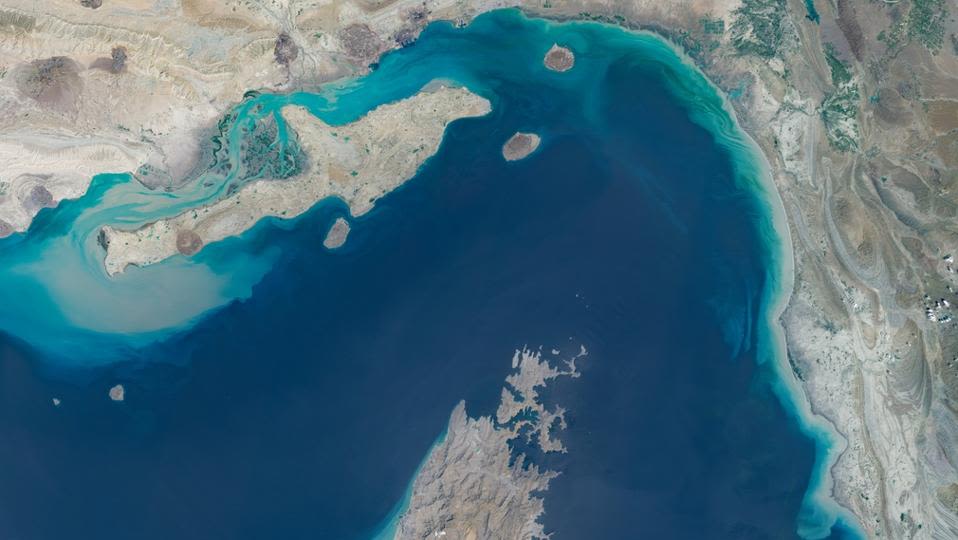
Trump posted a map on Truth Social labeling the Strait of Hormuz as 'New US Territory,' a continuation of his assertion that the United States has 'total control' over the strait amid a blockade narrative.
Iran’s top diplomat Abbas Araghchi asserted that 'America is now begging to negotiate with us according to our conditions' and claimed Iran 'won the war' and its diplomacy, signaling a renewed hardline stance in response to American claims.
In remarks around mid-August, Trump said that after defeating Iran he would declare Hormuz a U.S. territory and reinforced the claim of 'total control' over the strait, highlighting ongoing expansion of territorial rhetoric during heightened tensions.
There is no recognized legal basis for unilateral U.S. claims to Hormuz, and Tehran has warned the strait would stay closed until Washington fulfills commitments from the June 17 talks.
President Donald Trump posted a map on Truth Social labeling the Strait of Hormuz as 'New US Territory,' claiming the United States has 'total control' over the strategic waterway, according to TRT World. The move followed Trump's earlier promise that he would formally declare Hormuz a U.S. territory after what he described as a defeat of Iran.
Iran rejected the claim outright. Tehran's deputy foreign minister called Trump's assertion a delusion, and top diplomat Abbas Araghchi declared that 'America is now begging to negotiate with us according to our conditions,' adding that Iran 'won the war,' according to Head Topics.
Trump Posts Map Claiming Hormuz as American Soil
Trump shared the image on his Truth Social platform, marking the Strait of Hormuz with the label 'New US Territory,' NY Sun reported. He tied the post to his claim that a prolonged blockade has put Washington in full command of the strait. The move came after a 60-day negotiating deadline with the U.K. passed without a deal, according to Yahoo News.
Trump had previewed the claim weeks earlier. In remarks around mid-August, he said that after 'defeating Iran' he would declare Hormuz a U.S. territory and assert 'total control' over the passage, Forbes reported. No formal legal action or executive order has been announced to back up the territorial claim.
Iran Refuses to Reopen the Strait on U.S. Terms
Tehran has made its position clear. Iranian officials say the strait will stay closed until Washington ends its military presence in the region and honors commitments made during the June 17 talks, according to Head Topics. Iran is treating any reopening as a negotiating card, not a concession.
Foreign Minister Araghchi went further, saying Iran controls the diplomatic terms. 'America is now begging to negotiate with us according to our conditions,' he said. That hardline stance signals Tehran has no plans to back down simply because Trump posted a map on social media.
No Legal Basis Exists for a Unilateral Claim
Legal experts and observers say there is no recognized basis in international law for the United States to unilaterally claim the Strait of Hormuz as its territory, TRT World reported. The strait is an international waterway. It falls under the United Nations Convention on the Law of the Sea, which grants all nations the right of transit passage.
Iran has long asserted partial sovereignty over the strait, which runs between its coast and Oman. Any U.S. attempt to formalize a territorial claim could provoke a serious legal and military standoff. Observers warn the rhetoric alone raises the risk of miscalculation in a region already under extreme pressure.
Regional Violence Expands as Hormuz Dispute Drags On
The Hormuz standoff is not the only flashpoint. Houthi forces attacked Marib in central Yemen using ballistic missiles and explosive drones, causing civilian injuries and significant property damage, according to Head Topics. The strikes show how hostilities tied to the broader Iran conflict are spreading across the region.
The Strait of Hormuz carries roughly 20 percent of the world's traded oil. A prolonged closure or military escalation there would hit global energy prices hard. With both sides refusing to budge, the gap between Trump's territorial claims and Iran's refusal to yield leaves the situation deeply unstable.
Sentiment
Mostly NegativePublishers
32
Articles
102
Reach
134


