GLP-1 Vision Loss Lawsuits
Lawsuits Allege Popular GLP-1 Drugs Carry a Risk of Vision Loss
Anonymous
Key Points
1
The potential safety signal was first reported in 2024 by a single health center in Boston; subsequent research has investigated the association, but has not established that GLP-1 drugs cause NAION.
2
One Pennsylvania plaintiff told The Washington Post that her vision became like looking through a “fishbowl” after taking diabetes medication; she was diagnosed with NAION two weeks later.
3
Novo Nordisk said it continuously monitors the safety profile of its GLP-1 receptor agonists and would take appropriate action under regulatory requirements if emerging safety data warranted it.
4
Eli Lilly said it actively monitors, evaluates and reports safety information to the FDA, and is holding ongoing discussions with regulators about potential safety topics, including ophthalmic issues.
5
The lawsuits are unfolding as analysts project the GLP-1 industry could generate about $100 billion in annual sales within the next decade, underscoring the potential commercial stakes of the litigation.
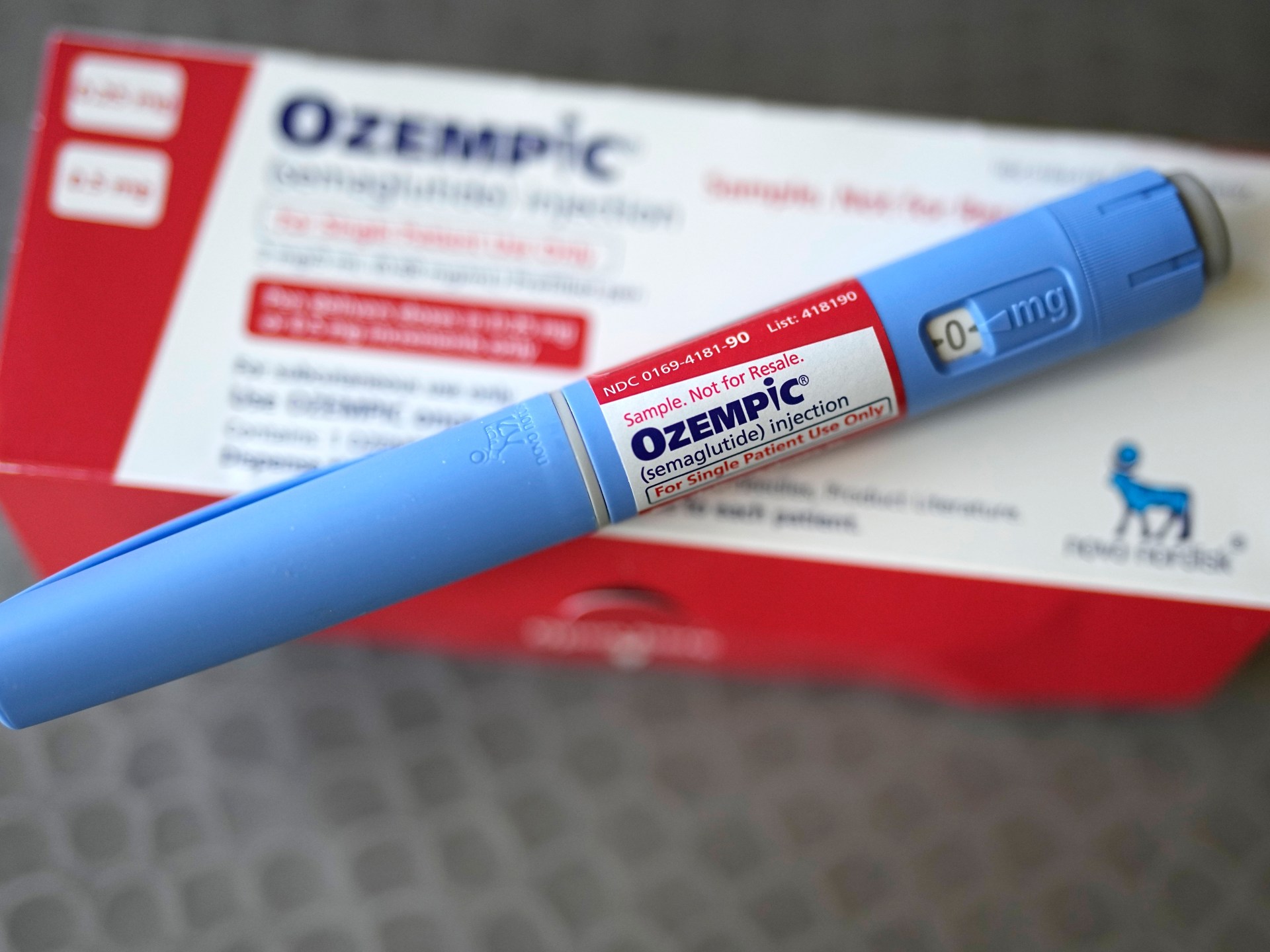
Dozens of Americans are suing Novo Nordisk and Eli Lilly over popular GLP-1 drugs like Ozempic and Mounjaro, claiming the companies failed to warn that the medications could cause sudden vision loss. The lawsuits allege the drugs are linked to NAION, a rare condition where reduced blood flow damages the optic nerve. Review of Optometry reported that while researchers flagged a possible safety signal in 2024, no study has proven GLP-1 drugs cause NAION, and findings remain mixed.
Novo Nordisk denies the claims and says its research shows no increased risk, while Eli Lilly said it is reviewing safety data with regulators. The litigation comes as the GLP-1 market is expected to hit roughly $100 billion in annual sales within a decade, making any major safety ruling potentially costly for the drugmakers.
Patient Claims Vision Loss Linked to Diabetes Medication
One Pennsylvania woman told The Washington Post that her vision deteriorated to feel like looking through a "fishbowl" after taking diabetes medication. Two weeks later, doctors diagnosed her with NAION. NTD reported that hundreds of lawsuits have been filed across the United States by patients claiming GLP-1 drugs caused the condition.
NAION is a medical emergency where blood flow to the optic nerve suddenly drops, potentially causing permanent blindness. The Hill noted that patients are seeking damages from the drugmakers, alleging they should have warned users about the risk before selling the medications.
Safety Signal Emerges But Evidence Remains Unclear
A 2024 safety alert from a Boston health center first raised concerns about a possible link between GLP-1 drugs and NAION. Ledger-Enquirer reported that subsequent research has investigated the association but has not established that the drugs directly cause the condition. The scientific findings so far have been mixed.
Health authorities and drugmakers continue evaluating whether stronger warnings are needed on medication labels. Novo Nordisk stated it continuously monitors safety and would take action if emerging data warranted it. Eli Lilly said it actively monitors reports and holds ongoing discussions with the FDA about ophthalmic safety issues.
Massive Market at Stake in Growing Litigation
Al Jazeera reported that dozens of people have sued GLP-1 companies over alleged vision loss, marking a significant legal challenge to the drugs' popularity. The lawsuits target the same companies selling Ozempic, Wegovy, Mounjaro, and Zepbound — medications that have become blockbuster sellers in recent years.
A major ruling against the drugmakers could reshape how GLP-1s are prescribed and marketed. With the industry projected to generate about $100 billion annually within the next decade, the financial stakes of these lawsuits are enormous for both the companies and patients seeking compensation.
Sentiment
Mostly NegativeNEGATIVENEUTRALPOSITIVE
Publishers
42
Articles
140
Reach
182
A
AnonymousAuthor


