Weight-Loss Drug Lawsuit
Novo Nordisk Sues Eli Lilly, Alleging False Advertising for Weight-Loss Drug Comparisons
Anonymous
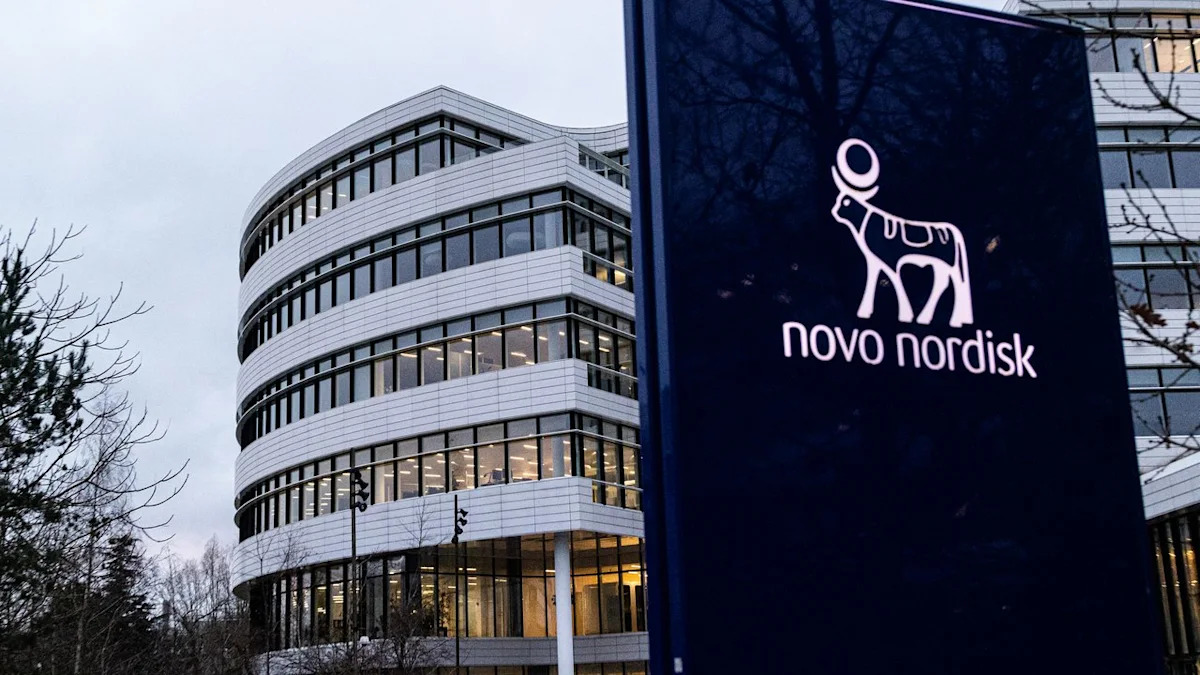
Novo Nordisk has filed a federal lawsuit against rival Eli Lilly, accusing the drugmaker of running false advertising campaigns for its blockbuster weight-loss and diabetes drugs. NBC News reported that Novo alleges Lilly violated federal and state laws by misleading consumers about how its medicines stack up against Novo's own products.
The lawsuit targets Lilly's nationwide TV and social media ads for Zepbound, its obesity drug, and Mounjaro, its diabetes treatment. Novo says it wants a court order to pull the ads entirely — and force Lilly to run a corrective advertising campaign.
How Lilly's Ads Allegedly Skewed the Numbers
At the heart of the lawsuit is a data mismatch, according to Quartz. Novo claims Lilly compared the highest approved doses of Zepbound and Mounjaro against lower doses of Novo's Wegovy and Ozempic. That made Lilly's drugs look more effective than they actually are in a head-to-head comparison.
Novo also says the ads used outdated clinical trial data. The company argues its newer, higher-dose versions of Wegovy and Ozempic deliver greater weight loss — results that Lilly's campaigns never mentioned. Investing.com noted that Novo is invoking the Lanham Act, a federal law that covers false advertising and unfair competition.
A Billion-Dollar Market With a Lot at Stake
The GLP-1 drug market — a class of medicines that mimic a gut hormone to control appetite and blood sugar — has exploded in recent years. Wegovy and Zepbound are two of the biggest names in weight loss. Both companies are fighting hard for patients, doctors, and insurance coverage.
Lilly's Zepbound has quickly gained ground since its 2023 launch. Yahoo Finance reported that Novo's lawsuit directly targets the advertising push Lilly has used to carve out market share. The outcome could reshape how both companies are allowed to market their drugs going forward.
Novo Demands Ads Be Pulled and Corrected
Novo is not just asking for damages. The company wants a judge to order Lilly to stop running the challenged ads immediately. It is also asking for a corrective campaign — meaning Lilly would have to pay to run new ads that tell a different story to consumers who already saw the old ones.
That kind of remedy is rare and costly. It signals how seriously Novo views the threat. Quartz noted that the ads ran across TV and social media, meaning they reached a massive audience. Corrective advertising would need to reach that same audience to undo the alleged damage.
Lilly Has Not Yet Responded Publicly
As of the filing, Eli Lilly had not issued a detailed public response to the lawsuit. The company has previously defended its clinical data and marketing practices. Investing.com reported that the case has been filed in U.S. federal court, though no trial date has been set.
This legal fight reflects a broader war between the two pharma giants. Both are racing to expand their GLP-1 drugs into new uses, from heart disease to sleep apnea. How courts rule on advertising claims could set the rules for an industry that analysts expect to be worth hundreds of billions of dollars.
Sentiment
NeutralNEGATIVENEUTRALPOSITIVE
Publishers
4
Articles
4
Reach
4
A
AnonymousAuthor


