Rising Temperatures Impact Champagne Production
Record-Early Champagne Harvest Highlights Significant Climate Change Impact on French Vineyards
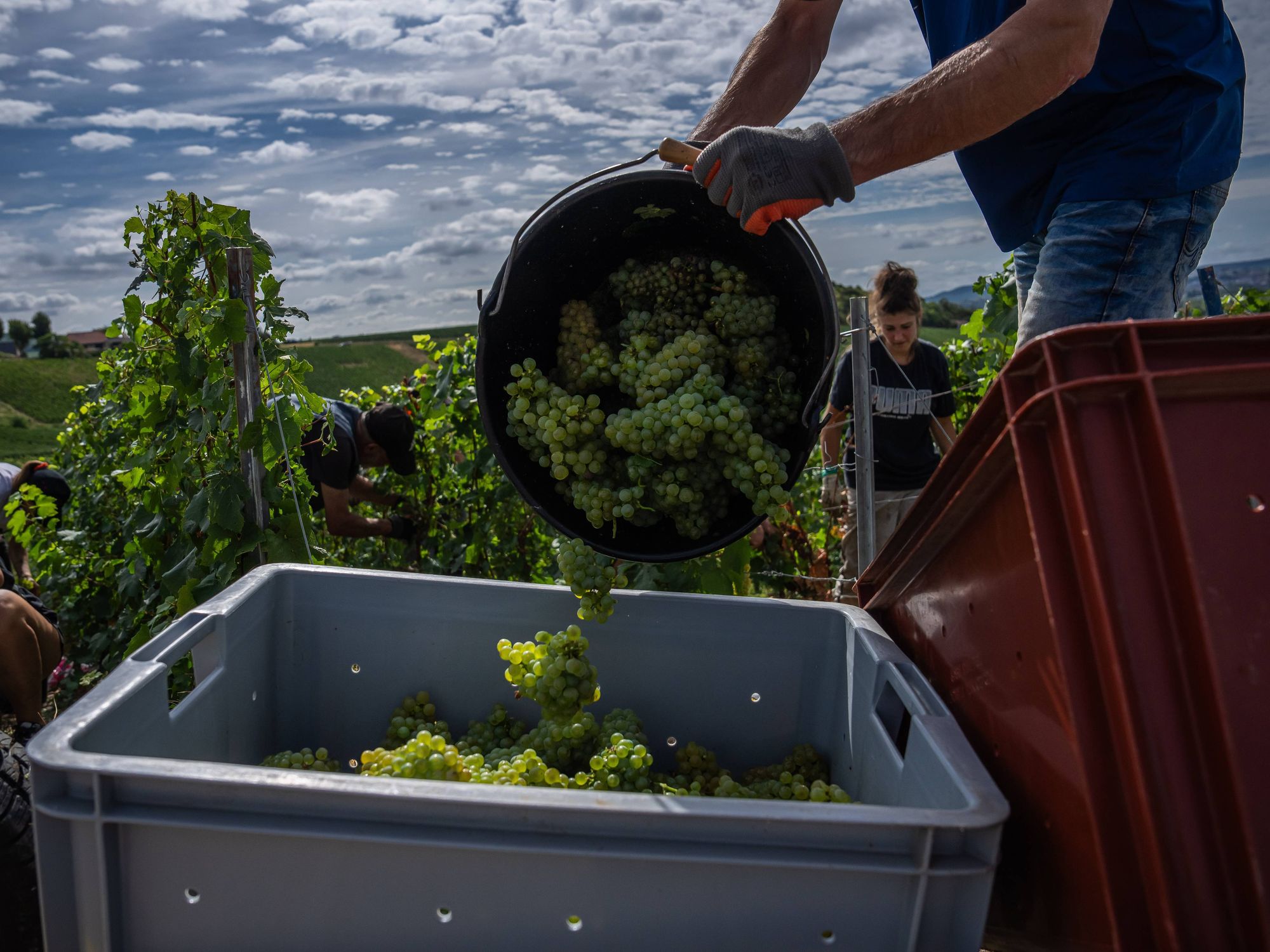
French champagne vineyards harvested grapes on August 12, 2026—the earliest start date ever recorded in the region's modern history Fremont Tribune. Higher temperatures are accelerating grape ripening and producing grapes with dangerously high sugar content, making it harder to preserve champagne's signature crisp flavor and acidity Beatrice Daily Sun. The shift marks a stark warning: climate change is fundamentally reshaping how the world's most famous sparkling wine is made.
French grape harvests have moved forward an average of 21 days over the past 50 years Trib. Since 2003, nine August harvests have occurred—six in the last decade alone. This summer's combination of spring frost damage and four consecutive heatwaves forced winemakers into emergency measures, including releasing reserve wines from previous years to offset the 30% crop losses across the region Greensboro.
Extreme Heat Forces the Earliest Harvest Ever Recorded
On August 6, winemaker Vincent Finot requested emergency permission to begin harvesting early. He said, "I didn't dare wait any longer," as acidity levels in his grapes dropped dangerously Wahoo-Ashland-Waverly. By August 12, the Champagne Committee (CIVC)—the industry's governing body—officially opened the 2026 harvest season, the earliest general start since tracking began in the early 20th century The Eagle.
Alexandre Gobillard, production director at Gobillard & Fils, observed the shock firsthand. "I've been working at the estate for 30 years," he said. "Today, it's August 18 and we're in full harvest. We've never seen anything like it Journal Times." The estate lost roughly 10% of its crops to sun-scorched, browned grapes—part of the broader 30% regional crop damage from spring frost and heat stress Nit Times.
Dangerous Sugar Levels Threaten Champagne's Crisp Flavor
Climate change is rewriting champagne's chemistry. Higher temperatures accelerate ripening, producing grapes with dangerously high sugar content Dothane Eagle. This sugar converts to alcohol during fermentation. But heat also burns off acidity—the crisp, elegant tang that defines champagne. Industry leaders, including David Chatillon of the Union of Champagne Houses, are tracking the shifting sugar-to-acid ratios carefully Elko Daily.
The result is wines at risk of becoming heavier and higher in alcohol—straying far from champagne's traditional light, airy profile. To fight back, vineyards are deploying smaller, faster-moving crews to pick grapes at dawn before temperatures soar York News Times. The CIVC is also releasing stored "reserve wines" from previous years to make up for lost volume Wcf Courier.
Winemakers Optimistic, Climatologists Warn of Bigger Crisis
Winemakers like Alexandre Gobillard remain cautiously optimistic. They argue that while climate change causes volume losses—around 10% due to sun damage—the surviving grapes still produce excellent, high-quality wine. "The overall quality and taste remain excellent," they contend. This could mean 2026 becomes a strong vintage despite the shock of an August harvest Poststar.
Agroclimatologist Serge Zaka sees a darker picture. "On average, across all French vineyards, harvest dates have moved up," he warned Crossroads Today. "The entire cycle of vines is affected." Scientists argue that relying on reserve stocks is temporary. If warming accelerates, the region will eventually struggle to produce authentic champagne under current rules Poststar. Climate change, they say, is not just shifting harvest dates—it's threatening an entire identity.
Sentiment
NeutralPublishers
25
Articles
24
Reach
25