Tap-to-pay fraud risks
Tap-to-pay scam victims lose thousands after failing to check transaction amounts
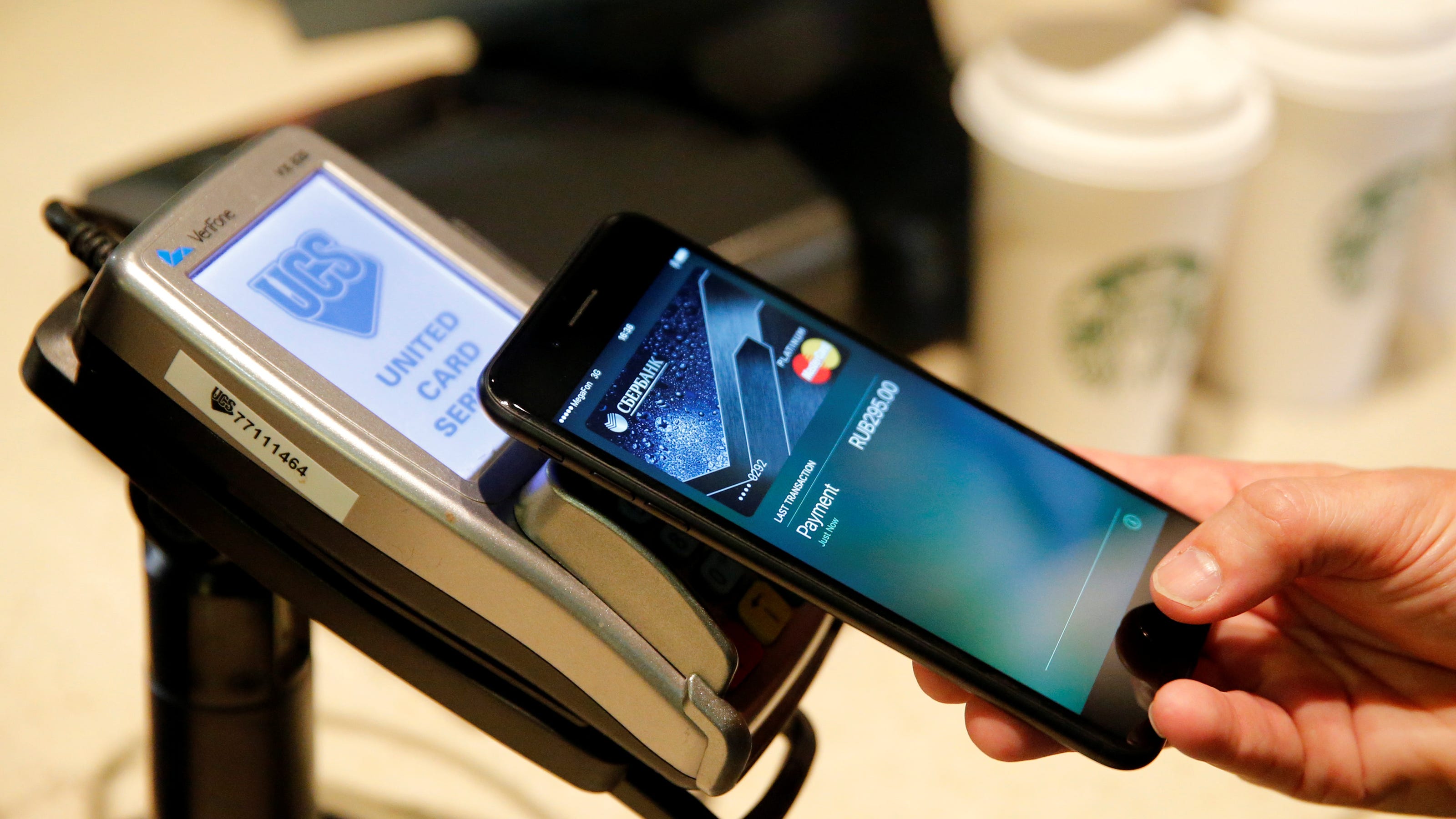
A Michigan woman thought she was donating $50 to high school students through a tap-to-pay donation device. Instead, scammers charged her account $1,000 in seconds Rapid City Journal. The incident reveals a growing threat: contactless payment scams that exploit the speed and convenience of modern tap-to-pay technology by tricking customers into authorizing far larger amounts than intended.
Scammers count on customers to tap without checking the amount being charged or the business name receiving the payment, experts warn Wis News. They deliberately rush through the process to prevent you from noticing what's happening. The result is unauthorized charges that can drain bank accounts before victims realize the mistake.
How the Tap-to-Pay Scam Works
The scam uses legitimate-looking donation terminals or payment devices in public places like donation booths or charity events Journal Now. When you tap your phone or card, the screen may show one amount while the actual charge is much higher. Scammers rely on the fact that most people tap quickly without reading the confirmation screen carefully.
The speed of contactless payments works against you Kenosha News. Everything happens in seconds, making it hard to catch errors before the transaction completes. By then, the money is already gone from your account, and getting it back requires filing disputes and waiting for refunds.
Why Victims Often Don't Catch These Scams
Customers rarely verify the business name on the payment screen before tapping Bismarck Tribune. Most people assume the terminal is legitimate if it's in a public place. The psychological rush of a quick transaction prevents careful attention to details that would normally stand out.
Small print and fast-moving screens make it easy to miss red flags Buffalo News. Scammers deliberately design the experience to move quickly. The confirmation screen flashes by in seconds, leaving no time for second-guessing.
What You Should Do Every Time
Always look at the dollar amount displayed before you tap OA Now. Read the business name receiving the payment. Never assume what you see in your head matches what the screen shows. Even one second of checking can prevent a $1,000 mistake.
If you spot a fraudulent charge, contact your bank immediately Post Star. Report the transaction as unauthorized. Many banks can reverse charges quickly if you act fast. Keep evidence of the fraudulent business name or location to help investigators track down the scammers.
The Broader Tap-to-Pay Security Problem
Contactless payments are growing faster than security measures to protect them Billings Gazette. The convenience that consumers love is the same convenience that scammers exploit. As more people use tap-to-pay, criminals have found an easy way to conduct mass fraud.
Banks and payment processors are still developing better protections NWI Times. Some are testing amount verification screens and visual confirmations. Until these safeguards become standard, customer vigilance remains the best defense against losing money on a single tap.
Sentiment
NeutralPublishers
17
Articles
16
Reach
17


