Strategic Petroleum Reserve Risks
Depleted US oil reserves face growing risks as the Iran conflict continues.
Anonymous
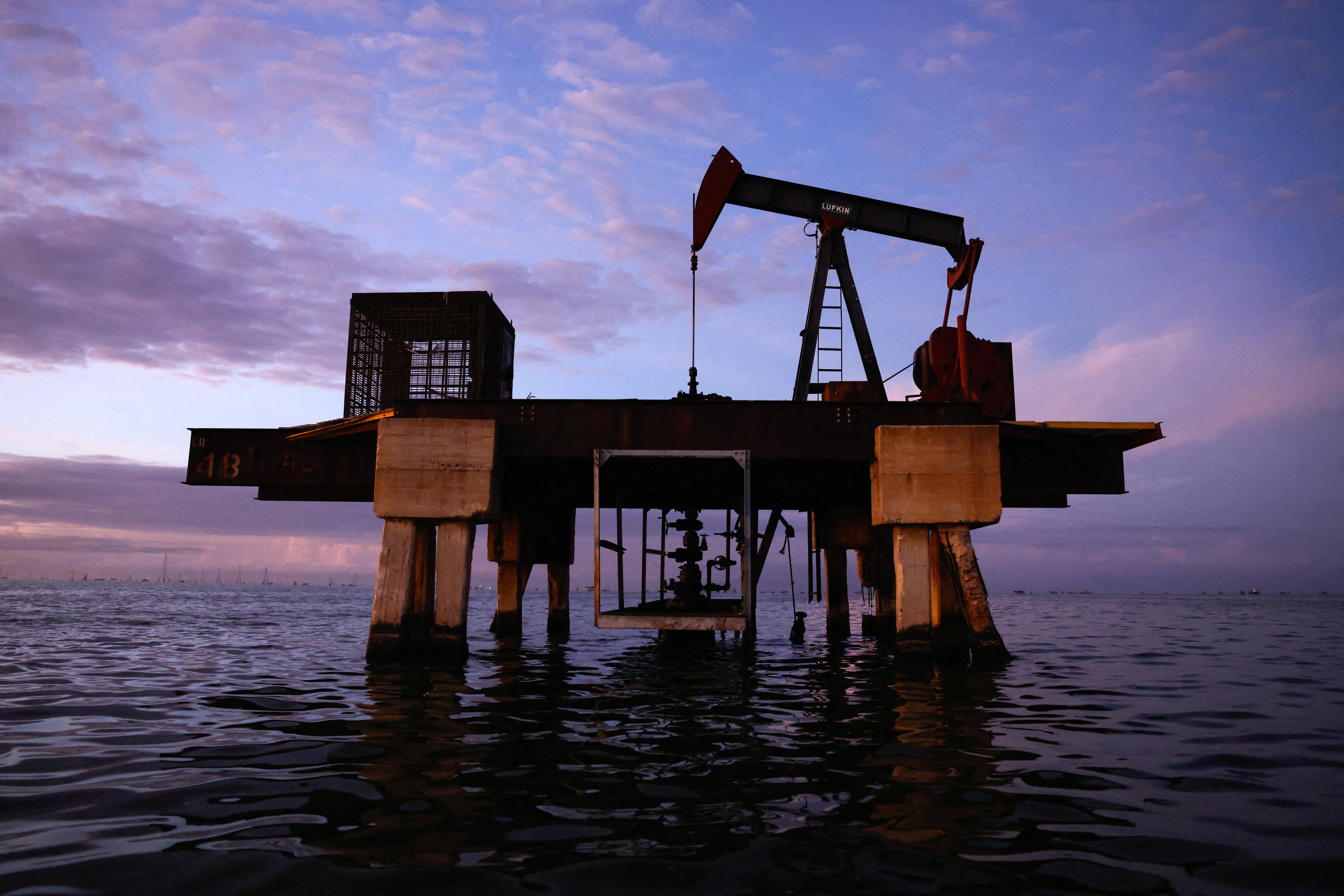
The US Strategic Petroleum Reserve has hit dangerously low levels after years of emergency oil releases, and experts warn that further drawdowns could strain aging infrastructure meant to protect America during energy crises Wisconsin News. The reserve, which holds emergency crude in underground salt caverns, now faces a critical question: can it keep doing its job if the Iran conflict demands more supply?
A Reserve Stretched Too Thin
The Strategic Petroleum Reserve has been tapped repeatedly over the past decade. Omaha World-Herald reports that years of releases—from the 2022 energy crisis to recent geopolitical tensions—have drained stockpiles to levels not seen in decades. Each withdrawal takes a toll on the system's 62 salt dome storage sites, which are built to handle oil for the long term, not rapid extraction cycles.
Infrastructure Risk Grows With Each Drawdown
The caverns, pipelines, and pumping stations that make up the reserve are aging. Fredericksburg.com notes that continuous drawdowns stress equipment not designed for constant flux. Engineers worry that aggressive new releases could push saltwater intrusion into caverns or cause structural failures that would be costly and time-consuming to fix.
Refilling the reserve also takes years and billions of dollars. Journal Now points out that if oil is withdrawn faster than it can be replenished, the system loses its long-term emergency buffer—exactly when global conflicts make that buffer most valuable.
Iran Conflict Raises Pressure on Reserves
The ongoing US-Iranian tensions have created talk of new releases to stabilize oil markets. Auburn Citizen reports that policymakers face a tough choice: use the reserve to keep gas prices down now, or preserve it for a true national emergency. Officials have not announced new major drawdowns yet, but the possibility looms as regional tensions persist.
Tulsa World indicates that energy analysts are divided. Some say modest releases can help without breaking the system. Others warn that any further depletion risks leaving America vulnerable if a real supply shock hits—like a major pipeline attack or port closure.
What Happens If the Reserve Runs Dry
If the Strategic Petroleum Reserve is depleted too far, America loses its shock absorber for oil supply disruptions. The Independent explains that without it, the US would rely entirely on market purchases and overseas supply—leaving the country exposed to price spikes and supply cuts during crises. Recovery would take years of refilling at high cost.
The clock is ticking. Madison.com reports that experts are calling for a strategic pause on major new drawdowns until the reserve is rebuilt and infrastructure is upgraded. The question now is whether officials will heed that warning before the Iran conflict escalates further.
Sentiment
NeutralNEGATIVENEUTRALPOSITIVE
Publishers
13
Articles
13
Reach
13
Topics
A
AnonymousAuthor


